Key takeaways
- Measure first: Write down the case’s maximum card length, thickness, cooler height and PSU length, then compare them with each part’s maker-listed dimensions.
- PSU format: SFX and SFX-L differ in length. A case that lists SFX-L support also takes SFX with an adapter bracket, per most makers.
- Cable length: SFX power supplies have shorter cables. Make sure they reach the board and GPU connectors.
- RAM height: Low-profile coolers can conflict with tall memory heatsinks.
- Airflow path: Keep intake panels unobstructed, and avoid placing the case against walls that block mesh.
- Heat limits: Compact builds can run warm. Choose efficient parts and monitor temperatures after you build.
A good mini ITX gaming build pairs a compact case such as the Fractal Design Ridge or Corsair NR200P with a short two-slot graphics card, an SFX power supply and a low-profile or small AIO cooler; the case, not the processor, decides what else you can fit. Choose the Ridge for a living-room console-style build, the NR200P for a roomier and more forgiving first small build, and a Lian Li A4-H2O style case only if you want the smallest practical footprint and accept strict part limits.
How mini ITX building differs from ATX
Mini ITX motherboards are 170 mm square, so they have fewer RAM slots, one PCIe slot and fewer M.2 and fan headers than larger boards. That is fine for a gaming build, which needs one graphics card and perhaps one or two drives. The real challenge is clearance: cooler height, graphics card length and thickness, and power supply format all limit what you can buy.
Heat is the second challenge. A small case holds less air, so intake and exhaust paths matter. Many compact cases use mesh panels and rely on the graphics card’s own fans. A hot, high-wattage card in a tiny case can throttle, so choosing a card with good efficiency and a size that fits the intake path is more important than choosing the biggest model.
Finally, building in a tight space takes more care. Cable routing is harder, SFX power supplies have shorter cables, and you often install parts in a specific order. Read the case manual before ordering parts, since many compact cases prescribe a sequence.
At a glance: cases for a mini ITX build
| Case | Best for | Maker-listed highlights | Limits |
|---|---|---|---|
| Fractal Design Ridge | Living-room, console-style builds | 12.6 litres; horizontal or vertical placement; GPU up to 335 mm long, 125 mm wide and 57 mm thick; CPU cooler up to 70 mm; SFX or SFX-L power supply (up to 130 mm long); mini-ITX only | Low cooler height rules out most tower coolers; thin GPU limit |
| Corsair NR200P family | First small build with more room | Compact (roughly 18 litres) with mesh panels; supports SFX power supplies and many AIOs and larger cards per maker spec | Larger than the smallest cases; some variants include a power supply or AIO |
| Lian Li A4-H2O | Smallest practical footprint | Very compact body around 11 litres, designed for a short two-slot card and SFX power supply | Strict limits on card and cooler; building requires care |
| Fractal Design Terra | Wood-accent, tidy design | Small volume with a distinct, minimal aesthetic | Limited cooler and GPU clearance; check maker listing before buying |
Read each maker’s page for the exact limits of your chosen variant, since sizes differ between versions.
Fractal Design Ridge: the living-room build
The Ridge is designed to sit under a television or beside a desk. The maker lists 12.6 litres, dimensions of 374 x 110 x 395.4 mm, and support for horizontal or vertical placement. It takes mini-ITX boards only, SFX or SFX-L power supplies up to 130 mm long, graphics cards up to 335 mm long with a maximum thickness of 57 mm, and CPU coolers up to 70 mm tall.
That 70 mm cooler limit means a low-profile air cooler or a compact AIO in the supported mounts. The 57 mm card thickness suits many two-slot cards but excludes thicker triple-slot models. It is a slim, refined case that fits a mid-range gaming build well, and its limits tell you which parts to buy before you start.
Pick this if you want a console-sized, tidy gaming PC and accept low cooler and card thickness limits.
Corsair NR200P: the forgiving first build
The NR200P and its variants are popular for first small builds because they offer more clearance than the tiniest cases. Corsair offers versions that vary in whether a power supply or AIO is included, so read the exact variant’s listing. Mesh panels help airflow, and the larger interior allows a bigger graphics card and a taller cooler than the Ridge.
The trade-off is size. It is bigger than the smallest cases, though still compact next to ATX towers. It suits buyers who want a small PC but would rather avoid squeezing parts into every millimetre.
Pick this if you want a small case with room to work and modest part restrictions.
Lian Li A4-H2O: the smallest practical footprint
The A4-H2O is among the smallest cases that still take a full-size graphics card. It is popular with builders who want a tiny, portable gaming PC. The cost is rigour: part choices are tight, and the build needs patience. Read the maker’s page for the exact card and cooler dimensions before ordering.
It suits experienced builders or those who value size above all else. First-time builders may find the layout frustrating.
Pick this if portability matters more than ease of building.
Choosing the rest of the parts
Motherboard
Pick a mini-ITX board that matches your processor’s socket: AM5 for current Ryzen chips or the relevant Intel socket for Intel chips. Boards in the B650, B850 and equivalent classes cover most gamers. Pay attention to M.2 slot count, Wi-Fi and the position of connectors relative to your case.
Processor and cooling
A mid-range 6 to 8-core processor suits most gaming builds. Small cases favour efficient chips, because heat is harder to remove. Low-profile coolers from brands like Noctua and Thermalright, or compact AIOs where the case supports them, are the usual choices. Match the cooler height to the case’s listed limit.
Graphics card
Choose a card no longer or thicker than the case’s listed limits. Many manufacturers sell compact two-slot versions of popular chips. Efficiency matters: a card with a lower board power runs cooler and quieter in a small space.
Power supply
Most small cases use SFX or SFX-L supplies. Choose a wattage that covers your graphics card and processor with headroom, based on the card maker’s recommended supply rating. Modular cables help in tight spaces. Electrical work carries risk, so follow the manufacturer’s manuals and consult a qualified technician if unsure.
Memory and storage
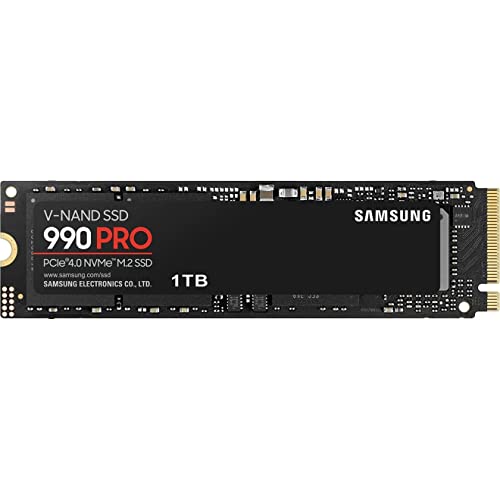
Two sticks of DDR5 in the 32 GB class suit most builds, and a 1TB NVMe drive covers boot and games. Some mini-ITX boards place M.2 slots on the back, which can matter for case fit.
Pick X if…
| If you… | Pick | Why |
|---|---|---|
| Want a console-sized PC for a TV | Fractal Design Ridge | Slim, horizontal or vertical, tidy look |
| Are building a small PC for the first time | Corsair NR200P | More room for parts and coolers |
| Want the smallest possible footprint | Lian Li A4-H2O | Extremely compact, strict limits |
| Prefer a quieter look and feel | Fractal Design Terra | Minimal design with wood accents |
| Run a hot, high-wattage GPU | A larger SFF case | More airflow volume |
Compatibility and fit notes
- Measure first: Write down the case’s maximum card length, thickness, cooler height and PSU length, then compare them with each part’s maker-listed dimensions.
- PSU format: SFX and SFX-L differ in length. A case that lists SFX-L support also takes SFX with an adapter bracket, per most makers.
- Cable length: SFX power supplies have shorter cables. Make sure they reach the board and GPU connectors.
- RAM height: Low-profile coolers can conflict with tall memory heatsinks.
- Airflow path: Keep intake panels unobstructed, and avoid placing the case against walls that block mesh.
- Heat limits: Compact builds can run warm. Choose efficient parts and monitor temperatures after you build.
Budget tiers by build class
Budget: A 6-core processor with an integrated or entry-level graphics card in a roomier case like the NR200P, using a modest SFX supply.
Mid-range: An 8-core processor, a two-slot mid-range graphics card and an SFX supply in the Ridge or NR200P.
Premium: A high-end processor with a high-end compact graphics card, a quality SFX supply and a larger SFF case that can handle the heat.
Alternatives worth considering
- A prebuilt mini PC: Cheaper and simpler if you do not need a swappable graphics card.
- A micro ATX build: A slightly larger case offers more cooling headroom and lower part costs.
- A gaming laptop or handheld: Better if you want true portability rather than a small desktop.
Frequently Asked Questions
Is a mini ITX gaming PC worse than a larger one?
Not inherently. Performance depends on the parts. Mini ITX builds usually run hotter and cost more per unit of performance, and they have fewer upgrade slots, but a well-chosen build games very well.
What size power supply does a mini ITX build need?
Most compact cases use SFX or SFX-L supplies, and some accept small ATX units. Match the format to the case maker’s listing and choose a wattage that fits your graphics card’s recommended supply rating.
Can I fit a large graphics card in a mini ITX case?
Only if the case lists enough length, width and thickness. For example, the Fractal Design Ridge lists up to 335 mm long and 57 mm thick. Many large triple-slot cards will not fit.
Do small builds overheat?
They can if the parts are too hot for the case. Efficient components, good intake and a suitable cooler keep temperatures reasonable. Check temperatures after building and adjust fan curves.
Is it harder to build in a mini ITX case?
Yes, generally. Space is tight, cable routing is harder and part order matters. Read the case manual first and plan the sequence.
Can I upgrade a mini ITX PC later?
You can swap the graphics card, memory and storage within the case’s limits. A new platform usually means replacing the motherboard, and larger upgrades are constrained by clearance.
FAQ
Is a mini ITX gaming PC worse than a larger one?
What size power supply does a mini ITX build need?
Can I fit a large graphics card in a mini ITX case?
Do small builds overheat?
Is it harder to build in a mini ITX case?
Can I upgrade a mini ITX PC later?
More from Amazon
Programs that pair well with the guide above. Offers and eligibility are set by Amazon and may change.
Free shipping on eligible items, Prime Video and more. Eligible new members can start with a free trial.
Start a Prime free trialAd-free music streaming. Eligible new subscribers can start with a free trial.
Try Music Unlimited freeA Prime membership for ages 18-24 with a trial period. Eligibility is set by Amazon.
See Prime for Young AdultsAudiobooks and podcasts to listen to on the go. Eligible new members can start with a free trial.
Try Audible freeAs an Amazon Associate we earn from qualifying purchases.