Our Top Picks
Shopping for a new smartphone is a choice between three different priorities: the freshest hardware, the longest runway of software updates, and the lowest sensible cost. A foldable promises a tablet-sized screen in your pocket, a flagship slab promises the strongest camera and processor, and a mid-range model promises that you can skip the premium without feeling shortchanged. The keyword “new smartphones” signals that you want something current rather than a clearance leftover, and that you probably plan to keep it for several years.
This guide is for buyers choosing an unlocked Android phone in 2026 who want to compare the current Samsung and Google lineups side by side. The seven phones below range from a foldable to an affordable 5G model. We judge them from the details in each listing, such as storage, battery capacity, display, and water resistance, so use the spec lines to narrow the field, then confirm carrier band support for your network before you buy.
Quick Picks

Samsung Galaxy Z Fold8 Unlocked Android Smartphone, 512GB Cream | All-New Shape, Content-Native Ratio, Customized Processor, 4800 mAh Battery, 12 GB Memory, Dual 50 MP Camera, My FanCam
One of the consumer electronics options compared in this guide.
View on Amazon
Samsung Galaxy S26, Unlocked Android Smartphone, 512GB, Black | Powerful Processor, Galaxy AI, Immersive Viewing, Durable Battery, 2026, US 1 Year Warranty
One of the consumer electronics options compared in this guide.
View on Amazon
Google Pixel 11 Pro - Unlocked Smartphone, Gemini - 256 GB - Obsidian | Android, Gemini Intelligence, 30+ hour battery, 6.3" Super Actua Display, Pixel HiLight, durable IP68 protection, 120x Zoom
One of the consumer electronics options compared in this guide.
View on Amazon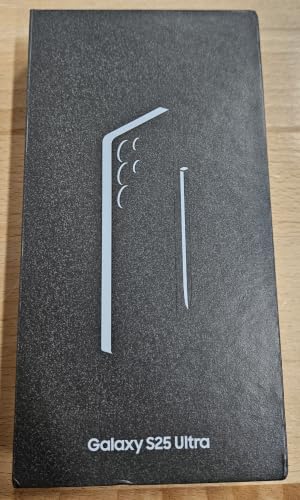
Samsung Galaxy S25 Ultra Cell Phone, 1TB AI Smartphone, Unlocked Android, AI Camera, Fast Processor, Long Battery Life, 2025 (Titanium Whitesilver)
One of the consumer electronics options compared in this guide.
View on Amazon
Google Pixel 11 - Unlocked Smartphone, Gemini - 256 GB - Pistachio | Android, Gemini Intelligence, 30+ hour battery, 6.3" Actua Display, durable IP68 protection
One of the consumer electronics options compared in this guide.
View on Amazon
Samsung Galaxy A16 5G A Series, Unlocked Android Smartphone, Large AMOLED Display, Durable Design, Super Fast Charging, Expandable Storage, 5G Connectivity, US Version, 2025, Blue Black
One of the consumer electronics options compared in this guide.
View on Amazon
Samsung Galaxy A37 5G (2026), Unlocked Android Smartphone, 128GB, AMOLED Display, Triple Camera, IP68, Slim Phone, 5000mAh Battery, US Version, US 1 Yr Warranty, Awesome Lavender
One of the consumer electronics options compared in this guide.
View on Amazon| Product | Best for | Key spec from the title |
|---|---|---|
| Samsung Galaxy Z Fold8 | Multitaskers who want a big screen | 512GB, 4800 mAh battery, 12 GB memory |
| Samsung Galaxy S26 | Mainstream flagship buyers | 512GB, Galaxy AI, unlocked |
| Google Pixel 11 Pro | Camera and software fans | 256 GB, 6.3 inch display, 30+ hour battery |
| Samsung Galaxy S25 Ultra | Storage-heavy users | 1TB, AI camera |
| Google Pixel 11 | Clean software on a compact body | 256 GB, 6.3 inch display, IP68 |
| Samsung Galaxy A16 5G | Tight budgets | AMOLED display, expandable storage |
| Samsung Galaxy A37 5G | Mid-range value | 128GB, IP68, 5000mAh battery |
How to Choose
Storage you will not outgrow
Storage cannot be upgraded on most flagships, so pick the size you will need in three years. 128GB is workable for light users who stream and use cloud photos. 256GB suits most people who take a lot of video. 512GB or 1TB makes sense for creators, gamers with large downloads, and anyone who stores media offline. The A16 5G lists expandable storage, which is the budget workaround when internal space is limited.
Battery, charging, and display
Capacity in milliamp hours helps, but the real result depends on the screen and processor. A 5000mAh cell, as listed on the A37, is a healthy figure for a mid-range phone, while the Fold8 lists 4800 mAh across a larger folding screen. For displays, an AMOLED panel gives deeper blacks and better outdoor visibility than an LCD, which is a reason to prefer the A-series models over cheaper unbranded phones.
Durability and water resistance
Look for an IP rating. IP68 means the phone is rated against dust and immersion in water under set conditions, and it is listed on the Pixel 11 and the A37. Foldables carry more fragile hinges and screens, so check the listed durability terms and think about whether you will use a case. Rated is not the same as waterproof for life, so avoid deliberate dunks.
Software support and carrier compatibility
An unlocked phone should list the bands your carrier uses, which you can confirm on the manufacturer site. Look for a stated update promise, since a phone that gets security patches for many years saves you from an early replacement. Ignore processor marketing names, which tell you little without real benchmarks, and treat any budget phone that is thin on update details with caution.
One last filter is the warranty and condition. Several listings here mention a one-year US warranty, which is a useful line to look for on unlocked phones, since it tells you the unit is meant for the US market and has coverage if something fails early. Confirm the phone is new and sealed rather than refurbished, and confirm the seller offers returns. A cheap price on a gray-market import can cost you in missing network features and no local support.
The 7 Best Options
Samsung Galaxy Z Fold8
The Fold8 is for people who want one device to replace both phone and small tablet. The listing names 512GB, a 4800 mAh battery, 12 GB memory, a customized processor, and a new shape with a content-native ratio.
- Strength: 12 GB memory and 512GB storage handle multitasking and large files.
- Strength: a folding screen opens up reading, video, and split-screen work.
- Trade-off: foldables are the most fragile and most expensive category, and the listing says nothing about water rating.
Skip it if you want a simple phone or are hard on devices. Foldable buyers should think about pocket size when open and closed, and about whether the apps they use scale well to a larger inner screen. If your day is mostly messaging and maps, the extra surface may go unused.
Samsung Galaxy S26
The S26 is the mainstream flagship for people who like Samsung software and want a long-lived main phone. It lists 512GB, a powerful processor, Galaxy AI, an immersive display, a durable battery, and a one-year US warranty.
- Strength: 512GB removes storage worries for years.
- Strength: Galaxy AI features are built in.
- Trade-off: the listing stays vague on battery size, so check the exact capacity.
Skip it if you prefer a cleaner software experience. Because it is the standard-size flagship, it is a safe recommendation for someone upgrading from an older Galaxy who wants familiar menus, a strong screen, and enough room for years of photos without managing space.
Google Pixel 11 Pro
The Pixel 11 Pro is for buyers who value camera processing and clean Android with Gemini features. The listing mentions 256 GB, a 6.3 inch Super Actua display, 30+ hour battery, and Gemini Intelligence.
- Strength: 30+ hour battery claim in a 6.3 inch body.
- Strength: Pixel software and Gemini integration.
- Trade-off: 256 GB is the stated storage, so heavy video shooters should consider other tiers.
Skip it if you want expandable storage or a foldable. The Pro naming points to the top of the Pixel range, so it fits people who photograph pets, kids, and travel and would rather let the software do the heavy lifting than edit pictures later.
Samsung Galaxy S25 Ultra
The S25 Ultra is the storage-heavy option, listing 1TB, an AI camera, a fast processor, and long battery life. It suits creators who shoot a lot of video and keep everything on the device.
- Strength: 1TB is the largest storage in this group.
- Strength: Ultra class camera system.
- Trade-off: it is the previous generation compared with the S26, so confirm how long updates will run.
Skip it if you want the newest model. Buyers who prefer a large screen and a stylus-class workflow tend to gravitate to the Ultra line, and the storage figure means you can record long clips without deleting anything for a long time.
Google Pixel 11
The Pixel 11 is a good fit for those who want the Pixel experience without the Pro tier. The listing states 256 GB, a 6.3 inch Actua display, a 30+ hour battery, Gemini Intelligence, and IP68 durability.
- Strength: IP68 durability and a 256 GB base.
- Strength: clean Android with Gemini.
- Trade-off: it sits below the Pro on camera hardware, per the tiering.
Skip it if you want the best camera in the lineup. Its appeal is that it keeps the key Pixel features, a clean interface, and a durable build in a size that still fits one-handed use for most people.
Samsung Galaxy A16 5G
The A16 5G is the budget choice. It lists a large AMOLED display, durable design, super fast charging, expandable storage, and 5G connectivity.
- Strength: AMOLED screen and expandable storage at a low tier.
- Strength: 5G support and fast charging.
- Trade-off: a modest processor, so heavy games and many apps can feel slower.
Skip it if you want strong camera or long update promises. It makes sense as a first phone for a teenager, a backup device, or a gift for a relative who mostly calls, messages, and streams, since expandable storage keeps photos and music from filling the phone.
Samsung Galaxy A37 5G
The A37 5G is mid-range value. It lists 128GB, an AMOLED display, a triple camera, IP68, a slim design, and a 5000mAh battery with a one-year US warranty.
- Strength: IP68 and a 5000mAh battery at a mid-range tier.
- Strength: triple camera and AMOLED screen.
- Trade-off: 128GB is the storage tier, so heavy users may run out of room.
Skip it if you shoot a lot of 4K video. The slim body in the listing suggests a current mid-range design, and the IP68 rating is a feature many phones at this tier leave out, which is the main reason it stands out here.
Which One Fits Your Situation
You want one device for work and reading
The Galaxy Z Fold8 is the only foldable here, and its 12 GB of memory and 512GB of storage make multitasking comfortable.
You care about photos and clean software
The Pixel 11 Pro leads for camera processing, while the Pixel 11 suits those who want the same software at a lower tier.
You store everything on the phone
The Galaxy S25 Ultra with 1TB is the best fit for creators and offline media.
You want a good phone at a sensible tier
The Galaxy A37 5G balances IP68, a 5000mAh battery, and an AMOLED display. The A16 5G is the cheaper alternative.
Common Mistakes
- Buying too little storage and then paying for cloud space later.
- Ignoring carrier band support on an unlocked phone.
- Assuming a foldable survives rough use as well as a slab phone.
- Paying for a flagship when a mid-range model covers your needs.
- Comparing battery claims without looking at screen size and processor, since a bigger display on a similar cell can drain faster than the capacity figure suggests.
Related guides
- Aio Liquid Coolers For High Performance Gaming
- How To Overclock A Gpu Safely With Msi Afterburner
- Which Motherboards Support Rtx 4090 And Rtx 5090
Frequently Asked Questions
How much storage do I need?
128GB works for light use, 256GB suits most people, and 512GB or more fits creators. Expandable storage helps on budget models.
Is an unlocked phone better?
It lets you change carriers freely and avoids carrier bloatware, but check that it supports your network bands. Unlocked phones also let you use a travel SIM abroad, and you can finance or buy outright without being tied to a carrier contract, which makes switching plans easy whenever a better offer appears.
Are foldables worth it?
They are worth it if you will use the larger screen daily. Otherwise, a standard phone is simpler and more durable. Try handling one in a store if you can, because the weight and thickness when closed are very different from a regular slab, and some people find that trade-off decisive.
Does IP68 mean I can swim with the phone?
No. It covers dust and short immersion under set conditions, not saltwater or pool use. Water damage is also commonly excluded from warranties, so treat the rating as a safety margin for spills and rain rather than a reason to take risks.