Key takeaways
- Pick the RTX 5070 if your primary monitor is 1440p or higher, or you play graphically intense open-world and ray-traced titles.
- Pick the RTX 5060 Ti if you game mainly at 1080p and want the strongest frames-per-dollar today.
- Pick the RTX 5070 if you keep systems for four or more years and hate upgrading mid-cycle.
- Pick the RTX 5060 Ti if you would rather redirect savings toward a larger SSD, more RAM, or a better display.
- Either works for esports and competitive shooters, where both cards already exceed most refresh rates.
What's inside
Choosing between a prebuilt gaming PC built around the GeForce RTX 5070 and one anchored by the RTX 5060 Ti is one of the most common dilemmas facing mainstream gamers in 2026. Both GPUs sit in the sweet spot for 1080p and 1440p play, both support DLSS 4 with multi-frame generation, and both show up inside affordable towers from builders like KOTIN, STORMCRAFT, and Skytech. Yet the gap in raw shading power, VRAM, and price is wide enough that the wrong pick can leave frames or dollars on the table.
This comparison breaks down how the two tiers actually behave in real games, what the price premium buys you, and which shopper each configuration suits best. We reference genuine prebuilt systems so you can match the analysis to machines you can actually add to your cart today.
As an Amazon Associate we earn from qualifying purchases at no extra cost to you. Product prices and availability are accurate as of the date shown and are subject to change.


🎮 Get More From Your Setup — Free
Prime Gaming gives you free PC games every month, in-game loot, and a free Twitch sub — plus fast free shipping on the rigs above. New members get a 30-day free trial.
Watch: RTX 5070 vs RTX 5060 Ti Prebuilt Gaming PC — Video Review
Quick Verdict
If you game at 1440p, chase high refresh rates, or want a rig that stays comfortable through the next couple of GPU generations, the RTX 5070 is the smarter long-term buy despite the higher sticker. The RTX 5060 Ti, however, remains the value champion for 1080p and entry-level 1440p players who would rather spend the difference on a bigger SSD, more DDR5, or simply keep the budget lean. Neither choice is wrong, but your target resolution should drive the decision more than brand loyalty.
RTX 5070
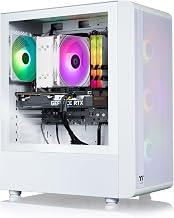
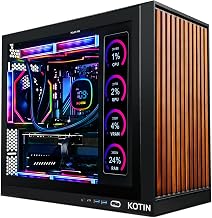
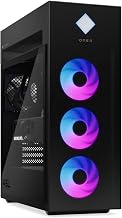
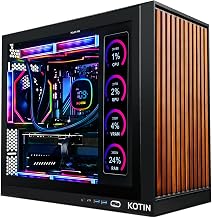
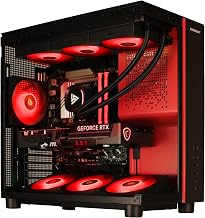
The RTX 5070 tier, represented here by systems such as the STORMCRAFT Falcon with a Ryzen 7 7800X3D and the KOTIN RTX 5070 12GB tower with a Ryzen 7 9700X, is built for gamers who treat 1440p as their baseline rather than their ceiling. The 12GB frame buffer gives these machines headroom for high-resolution textures and ray-traced titles that would make an 8GB card stutter, and the extra CUDA cores translate into meaningfully higher average frame rates in demanding open-world games.
Pairing matters here. The 7800X3D and 9700X chips inside these builds keep the GPU fed even in CPU-bound esports scenarios, and the 32GB DDR5 kits plus 360mm liquid coolers mean the systems hold clocks under sustained load. For anyone planning to drive a high-refresh 1440p monitor or dabble in 4K with DLSS upscaling, the 5070 is comfortably the more future-proof platform.
The trade-off is cost. These towers command a premium, and that premium only pays off if you actually run resolutions and settings that stress the card. Buy the 5070 for the display you own or plan to own within a year, not for spec-sheet bragging rights.
RTX 5060 Ti
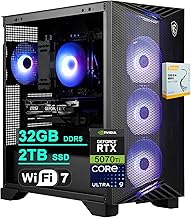
The RTX 5060 Ti systems, like the KOTIN Ryzen 5 9600X build and the KOTIN Ryzen 7 8700F Desktop with DLSS 4, deliver the bulk of a modern gaming experience at a noticeably friendlier price. At 1080p these machines chew through competitive shooters at triple-digit frame rates, and with DLSS 4 enabled they stretch comfortably into 1440p in most single-player titles.
What you give up is the top-end margin. The 8GB VRAM on many 5060 Ti configurations is adequate today but leaves less cushion for future texture-heavy releases, and the smaller shader count means ray tracing at native 1440p asks more of the upscaler. For the target buyer, though, that is an acceptable compromise: these towers frequently ship with the same WiFi 7, DDR5, and NVMe amenities as their pricier siblings.
Which Should You Buy?
- Pick the RTX 5070 if your primary monitor is 1440p or higher, or you play graphically intense open-world and ray-traced titles.
- Pick the RTX 5060 Ti if you game mainly at 1080p and want the strongest frames-per-dollar today.
- Pick the RTX 5070 if you keep systems for four or more years and hate upgrading mid-cycle.
- Pick the RTX 5060 Ti if you would rather redirect savings toward a larger SSD, more RAM, or a better display.
- Either works for esports and competitive shooters, where both cards already exceed most refresh rates.
Frequently Asked Questions
Is the RTX 5070 worth the extra cost over the 5060 Ti?
For 1440p and high-refresh gamers, yes. The 12GB VRAM and larger shader array deliver a real, sustained frame-rate advantage. For pure 1080p play, the premium is harder to justify.
Does the RTX 5060 Ti handle 1440p gaming?
It does, especially with DLSS 4 enabled. Expect smooth performance in most titles, though you may trim a few settings in the most demanding ray-traced games to hold high frame rates.
How much VRAM do these prebuilts have?
RTX 5070 systems typically carry 12GB, while many RTX 5060 Ti builds ship with 8GB. The extra buffer on the 5070 helps at higher resolutions and with future games.
Which CPU pairs best with each GPU?
The prebuilt 5070 rigs here favor Ryzen 7 chips like the 7800X3D and 9700X, while 5060 Ti systems often use efficient Ryzen 5 9600X or Ryzen 7 8700F processors that still avoid bottlenecks at their target resolutions.
Final Verdict
Both tiers earn their place in 2026, but the decision comes down to resolution and longevity. Choose the RTX 5070 when 1440p, high refresh rates, and multi-year staying power matter most. Choose the RTX 5060 Ti when 1080p value and a leaner budget are the priority. Match the card to the screen in front of you, and either build will keep you gaming smoothly for years.