Key takeaways
- Physical Dimensions: Extremely compact footprints. The TP-Link TL-SG105 measures roughly 3.9 x 3.9 x 1.0 inches (99.8 x 98 x 25 mm) and weighs 0.50 lbs, while the NETGEAR GS305 comes in at 3.8 x 3.9 x 1.0 inches (96 x 101 x 26 mm) at 0.55 lbs. They slide easily behind a monitor arm or inside a media console drawer.
- Power Consumption: Highly efficient. These units draw between 2.3 watts and 2.7 watts under peak load. You can leave them plugged in year-round without noticing an impact on your electric bill.
- Heat and Noise: Both featured units utilize fanless, passive-cooling metal chassis designs. They operate in complete silence (0 dB) and generate negligible surface heat, making them safe to tuck behind wooden furniture.
- Port Hardware: Auto-negotiating 10/100/1000 Mbps RJ45 ports with auto-MDI/MDIX support, meaning you do not need special crossover cables. The metal shielding around the ports prevents electromagnetic interference from nearby power strips or PC power supplies.
What's inside
The Short Answer
You need an Ethernet switch for gaming only if you have multiple wired devices at your setup but only one available Ethernet wall port or router connection.
An Ethernet switch functions as a physical expansion block for your network, converting a single Ethernet line into four or more high-speed ports. If you only play on a single gaming PC or console and your home router sits close enough to plug into directly, a switch is unnecessary—a single Cat6 cable is all you need. However, if your gaming desk or living room entertainment center houses a PC, PlayStation 5, Xbox, and a smart TV, but you only have one wall jack, a dedicated 5-port unmanaged switch is the cleanest, most reliable solution to get every device online with zero wireless interference.
As an Amazon Associate we earn from qualifying purchases at no extra cost to you. Product prices and availability are accurate as of the date shown and are subject to change.


What You Actually Get
An unmanaged Ethernet switch is a compact, silent box that splits a network connection without requiring software setup or network configuration. You simply plug a main line from your router into port 1, and the remaining ports immediately deliver gigabit speeds (up to 1,000 Mbps) to your connected consoles, rigs, and accessories.
In 2026, game download sizes frequently top 100GB, making stable bandwidth and minimal ping essential. While Wi-Fi 6 and Wi-Fi 7 have improved wireless speeds, they cannot bypass physical barriers like drywall, metal desk frames, or electrical line noise. An Ethernet switch maintains a direct, physical copper connection to your network gateway, eliminating packet loss, jitter, and unexpected ping spikes during competitive matches.
From a desk aesthetics and cable management standpoint, these devices are remarkably unobtrusive. Market standards like the TP-Link TL-SG105 ($12.99) and the NETGEAR GS305 ($13.49) feature heavy-duty steel bodies designed to lie flat or mount directly to a wall or under a desk using adhesive strips or keyhole slots.
Here is what the physical footprint and power profiles actually look like for standard 5-port desktop switches:
- Physical Dimensions: Extremely compact footprints. The TP-Link TL-SG105 measures roughly 3.9 x 3.9 x 1.0 inches (99.8 x 98 x 25 mm) and weighs 0.50 lbs, while the NETGEAR GS305 comes in at 3.8 x 3.9 x 1.0 inches (96 x 101 x 26 mm) at 0.55 lbs. They slide easily behind a monitor arm or inside a media console drawer.
- Power Consumption: Highly efficient. These units draw between 2.3 watts and 2.7 watts under peak load. You can leave them plugged in year-round without noticing an impact on your electric bill.
- Heat and Noise: Both featured units utilize fanless, passive-cooling metal chassis designs. They operate in complete silence (0 dB) and generate negligible surface heat, making them safe to tuck behind wooden furniture.
- Port Hardware: Auto-negotiating 10/100/1000 Mbps RJ45 ports with auto-MDI/MDIX support, meaning you do not need special crossover cables. The metal shielding around the ports prevents electromagnetic interference from nearby power strips or PC power supplies.
Pros
- Zero Latency Impact: Unmanaged gigabit switches process packet routing in hardware microcode, adding less than 2 microseconds of processing delay—effectively 0 ms of real-world ping overhead compared to a direct router connection.
- Eliminates Wi-Fi Instability: Bypasses wall attenuation, microwave interference, and signal drops caused by multi-device household congestion.
- Durable, Silent Build Quality: Solid metal housings double as heat sinks, preventing thermal throttling during multi-gigabyte game updates without needing loud internal fans.
- Instant Plug-and-Play Setup: No IP addresses to assign, no drivers to download, and no user accounts required. It works out of the box within seconds.
- Minimal Energy and Desk Footprint: Occupies less space than a coaster and uses under 3 watts of power, keeping your power strip free and your electricity usage low.
Cons
- Shared Uplink Bandwidth: All devices plugged into a 5-port switch share the single cable returning to your router. If your PC and PS5 are both downloading 1Gbps updates simultaneously, they split the available 1Gbps bandwidth pipeline.
- Requires Extra Cables and Power Outlet: Adds a small external AC power adapter to your desk setup alongside multiple patch cables, requiring thoughtful cable management.
- Does Not Speed Up Your ISP Package: A gigabit switch cannot exceed the internet speed you pay your provider for. If your home plan is 200 Mbps, a switch will deliver a steady 200 Mbps, not 1,000 Mbps.
- Cannot Act as a Router: An unmanaged switch cannot assign local IP addresses (DHCP) or manage network firewalls. It must be connected downstream of a router or mesh node.
Who Should Buy It
You should purchase an Ethernet switch if you have a localized station with multiple high-bandwidth devices. If your gaming rig, console dock, streaming PC, and network storage (NAS) sit on the same desk, a switch lets you run a single long Ethernet cable across the room (or from a wall plate) and neatly distribute stable wired connections to every machine. It is also an ideal solution for renters living in apartments with only one live network jack per bedroom.
Who Should Skip It
Skip the switch if you only have one gaming device that needs a hardwire. Running a direct Ethernet cord straight from your router or mesh satellite into your PC or console is cleaner, cheaper, and avoids adding an extra power brick. You should also skip an unmanaged switch if you are an IT enthusiast looking to create isolated virtual networks (VLANs) or set granular, port-by-port traffic prioritization—those setups require a managed or smart switch, which costs significantly more.
Cheaper Alternatives
If you are deciding whether to spend money on an Ethernet switch, consider how these alternative wiring and wireless options stack up in terms of hardware costs and practical trade-offs:
| Option | Cost | Trade-off |
|---|---|---|
| Direct Ethernet Cable | $6.00 – $12.00 | Limits connection to a single device. Running multiple cables across long distances creates visible floor clutter. |
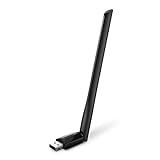
| Wi-Fi 6 / 6E Adapter | $0.00 – $35.00 | Saves on cable routing, but remains vulnerable to ping spikes, thick wall signal degradation, and network congestion. |
| Passive RJ45 Splitter | $5.00 – $9.00 | Not recommended. Passive splitters force network speeds down to 100 Mbps and cannot run two active devices at the same time. |
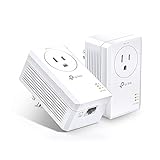
| Powerline Ethernet Kit | $35.00 – $70.00 | Uses home electrical wiring to send data. Highly unpredictable performance based on circuit age, breakers, and heavy appliances. |
FAQ
Does an Ethernet switch increase ping or cause lag while gaming?
No. Quality unmanaged switches like the TP-Link TL-SG105 or NETGEAR GS305 operate with hardware-level switching that adds under 2 microseconds (0.002 milliseconds) of latency. In real-world gaming, this latency impact is unmeasurable and far superior to the 5–30 ms latency jitter introduced by Wi-Fi connections.
Is a 5-port Ethernet switch enough for a modern gaming setup?
For most desktop or entertainment setups, yes. A 5-port switch offers 1 input port (uplink from your main router) and 4 available output ports. This gives you enough connections for a gaming PC, two consoles (e.g., PS5 and Xbox Series X), and a smart TV or streaming box on a single compact station.
Do I need a managed or unmanaged switch for console and PC gaming?
An unmanaged switch is all you need for home gaming. Unmanaged switches automatically handle packet delivery without any user configuration. Managed switches are designed for enterprise networks and offer advanced features like VLAN tagging and custom firewall rules, which are unnecessary for home gaming setups and can actually introduce NAT type issues if configured incorrectly.
Does an Ethernet switch slow down internet speed if multiple devices are downloading?
A gigabit switch provides up to 1,000 Mbps of throughput across its internal backplane. However, all connected devices share the main uplink cable running back to your router. If your home internet service is 500 Mbps and two consoles download full-speed updates simultaneously, they will split that 500 Mbps connection, but total speed is constrained by your ISP service plan, not the switch hardware.