Key takeaways
- Best fit scenario: someone who wants a reasonably priced, closed-back wireless headset and a documented glasses-relief cushion design.
- Check before buying: choose the Xbox-specific variant for the manufacturer-listed Xbox wireless connection; verify your selected color and storefront stock.
- Reason to skip: you need open-back airflow, have highly pressure-sensitive temples, or want a premium multi-transmitter setup.
Searching for the best gaming headsets for glasses is less about a huge driver or an impressive battery claim than it is about what happens where each earcup meets a glasses arm. This U.S.-market guide compares four genuinely different Turtle Beach headset designs with documented glasses-conscious cushioning. Each is a real gaming headset with a publicly listed purchase option, but none has been measured by us on a sample of frames or heads. Treat the comfort design as a useful starting point, not a promise of zero pressure.
The core four ProSpecs-focused Turtle Beach options cover a lower-priced wireless model, a multi-platform wireless model, an open-back alternative, and a premium flagship; two other brands are now included as evidence-qualified trials. All pricing below is an observed public U.S. product-page offer on October 30, 2026, not a guaranteed delivered price for your ZIP code. Selected colors, licensed platform editions, taxes, shipping and inventory can change before checkout.
Quick picks: four ProSpecs designs and two independent-brand trials
The picks below separate glasses-conscious Turtle Beach designs from two cross-brand comfort checks. Start with pressure around the temples and ear pads rather than price alone: headset weight, open-back leakage, and Xbox or PlayStation connection requirements can all change which option makes sense for your setup.
| Headset / selected edition | Best reason to consider it | Observed U.S. offer (Oct. 30, 2026) | Critical limitation |
|---|---|---|---|
| Turtle Beach Stealth 600 Gen 3 — Xbox Black | Value; ProSpecs memory-foam cushions; 2.4GHz plus Bluetooth | $109.99, Turtle Beach or Best Buy; Add to cart | Headband/cup fit still depends on the glasses frame |
| Turtle Beach Stealth 700 Gen 3 — Xbox Black | Premium wireless flexibility and glasses relief | $199.99 on selected manufacturer page; Add to cart | Other retailers show lower, time-sensitive prices; buy Xbox edition for Xbox wireless |
| Turtle Beach Atlas Air — Black | Open-back ventilation, floating headband and cups | $129.99, Turtle Beach; Add to cart | Open back leaks audio and has no Xbox wireless USB path |
| Turtle Beach Stealth Pro II — Xbox Black | Top-end ANC and swappable-battery ecosystem | $349.99, Turtle Beach or Best Buy; Add to cart | Heavy feature set, high price; foam does not prove comfortable clamp on your frames |
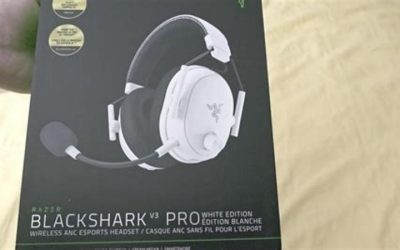
| Razer BlackShark V2 Pro — reviewed PlayStation edition (2025 Laptop Mag test) | First-person glasses-wear trial; comfort positive but not universal | US price/stock not reverified for exact 2023 SKU | Do not generalize review fit to Xbox Licensed or older PC SKU; glasses can change bass seal |
| HyperX Cloud III Wired (US 3.5mm) | Value alternative with Xbox controller-compatible analog route | US price/stock not reverified for selected color | No measured glasses-relief channel; glasses may disturb seal; try with frames |
The four Turtle Beach designs offer named or described glasses-conscious construction. For a cross-brand check, the 2025 Laptop Mag review used a PlayStation BlackShark V2 Pro edition on an actual glasses wearer, while RTINGS provides a competing acoustic-seal warning for the older 2023 PC model. A HyperX Cloud III wired option adds a budget analog route, but an independent Wireless-model seal observation must not be transferred to the Wired edition as though the samples were identical. These are evidence levels, not six proven pressure-tested winners.
How we evaluated glasses comfort without inventing a wear test
The first question is whether the headset design provides a softer contact zone near the temple arms. The second is whether the cups can shift or the headband can extend enough to avoid pinching the temples. Third, we look at the acoustic tradeoff: a frame can break an earcup seal, changing bass response and passive isolation even when the headset does not hurt. Finally, a recommendation is only useful when the selected headset can connect to your PC, Xbox or PlayStation in the intended way.
Manufacturer ProSpecs language confirms a design feature, not independently measured comfort on thick acetate frames, ultra-thin metal arms and different head sizes. The maker does not publish comparable, controlled temple-pressure numbers for all four models. We have not worn, measured or tested the four ourselves; personal fit is unverified. Before keeping any headset, test it with your actual glasses for at least 20–30 minutes, paying attention to sore spots and changes in bass when you move the frame arms.
Turtle Beach Stealth 600 Gen 3: practical glasses relief on a budget
The Stealth 600 Gen 3 is the simplest starting point if you want everyday console and PC voice chat without spending flagship money. For the Xbox Black option, Turtle Beach shows $109.99 and an Add to Cart button. Best Buy also lists the black Xbox-compatible model TBS-2102-05 at $109.99 with Add to cart. That is product-page availability, not proof of shipped stock for every U.S. address. White and purple versions should not be treated as the same stock listing; the purple Xbox option has separately shown Sold Out in the manufacturer catalog.
Turtle Beach describes a pressure-relieving cushioned headband and memory-foam ear cushions with ProSpecs glasses-friendly technology. Athletic-weave fabric may be preferable to slicker pads in a warm room, although breathability and pressure vary with the wearer. Its fold-flat adjustable design provides some room to reposition the cups, while the wireless transmitter handles low-latency gaming and Bluetooth supports compatible mobile devices. The QuickSwitch control changes audio source; it does not imply that all audio sources mix simultaneously.
For a roommate, the closed-back design may reduce outward sound leakage compared with an open-back headset, provided your glasses do not break the seal too much. For a glasses wearer, that same seal can be a mixed blessing: more isolation can mean more sustained foam contact. If pressure concentrates right behind the ear, the manufacturer label alone will not fix it. The Stealth 600 is the value pick for a first trial, not a proven universal fit. SoundGuys independently reported noticeable clamp force and fatigue over longer sessions: do not promise comfort merely from ProSpecs marketing.
- Best fit scenario: someone who wants a reasonably priced, closed-back wireless headset and a documented glasses-relief cushion design.
- Check before buying: choose the Xbox-specific variant for the manufacturer-listed Xbox wireless connection; verify your selected color and storefront stock.
- Reason to skip: you need open-back airflow, have highly pressure-sensitive temples, or want a premium multi-transmitter setup.
Turtle Beach Stealth 700 Gen 3: more flexible wireless gaming
The Stealth 700 Gen 3 offers ProSpecs glasses relief in memory-foam cushions and a steel-reinforced build. It also adds CrossPlay dual-transmitter functionality for choosing between supported gaming systems. Turtle Beach identifies the selected Xbox Black version as compatible with Xbox, PC, PlayStation and Bluetooth-equipped mobile devices, and lists a $199.99 regular price with Add to Cart. A separate Target Xbox Black listing has shown $149.99 and In Stock, a retailer-specific offer that should never be substituted for the manufacturer price. Do not use an old promotional price as a guaranteed today price.
Two wireless transmitters are useful when your gaming setup includes more than one console or PC. They do not mean you can listen to both 2.4GHz dongles simultaneously; the product switches sources, while Bluetooth is a separately supported simultaneous mobile-audio path. Pay particular attention to edition naming. An ordinary PC or PlayStation edition should not be assumed to offer the same licensed Xbox wireless behavior as the Xbox edition.
In comfort terms, this is a case where the ProSpecs cushion engineering offers a reason to try the headset, rather than evidence that it beats the Stealth 600 for every glasses wearer. Different earpad textures and clamping feel can change how your frames sit. People with rigid arms may appreciate positioning flexibility, but there is no published universal XL head-span or glasses-arm thickness threshold that we can honestly apply. Choose it for cross-platform convenience and then judge pressure with your own eyewear.
- Best fit scenario: a glasses wearer who moves between Xbox, PC and PlayStation and wants one wireless setup with deliberate glasses relief.
- Check before buying: exact Xbox-edition hardware, transmitter placement, and any Bluetooth/USB routing needed for chat.
- Reason to skip: if you only play at one desk, the lower-priced Stealth 600 may cover the essential job.
Turtle Beach Atlas Air: airy open-back alternative for PC or PS5
The Atlas Air is meaningfully different from the sealed Stealth line. Turtle Beach lists it at $129.99, discounted from a displayed regular $179.99, with Add To Cart on its U.S. product page. The manufacturer specifies a 301-gram weight, a floating headband and floating earcups, and glasses-friendly memory-foam cushions. Open-back construction permits room sounds to enter and your game audio to escape. That can feel less closed-in, especially when gaming in a quiet private room, but it is not an isolation solution for a noisy dorm.
Unlike an open-back studio headphone that still needs a separate microphone, Atlas Air includes a removable flip-to-mute mic and PC/PlayStation wireless support. Turtle Beach explicitly describes Xbox Series consoles as wired-only for this model, through the compatible 3.5mm path. Do not buy the Atlas Air expecting its 2.4GHz dongle to provide native Xbox wireless chat. Also avoid treating Bluetooth as the best gaming connection on every platform; use the maker-specified low-latency mode when supported.
Glasses wearers should pay special attention to the floating earcup movement. In principle, an adjustable cup may reduce a specific contact hot spot if it can settle around the temples. That is not a measured claim for your particular frames. And with open backs, the usual seal issue changes: you lose passive noise isolation by design, so do not buy it assuming a tight seal will improve bass. The Atlas Air is the comfort-oriented experiment for PC and PS5 users who can accept leakage and want more airy construction.
- Best fit scenario: quiet private desk, PC or PS5, and interest in open-back airflow and a floating-fit design.
- Check before buying: whether sound leakage would disturb a roommate or enter a nearby streaming microphone.
- Reason to skip: noisy shared room, strong isolation requirement, or Xbox wireless connectivity.
Turtle Beach Stealth Pro II: premium glasses relief plus ANC
Stealth Pro II is a different headset design from the older Stealth Pro and from Stealth 700 Gen 3. Turtle Beach lists the Xbox Black version at $349.99 with Add To Cart, and Best Buy lists Xbox Black model TBS-2104-05 at the same observed regular price. Some retail search results show a lower limited-time price; do not conflate those offers or promise a discount without reopening the chosen SKU at checkout. Turtle Beach specifies dual-layer memory-foam cushions, ProSpecs glasses relief and active noise cancellation.
ANC can help with fan or room noise, but glasses can alter the earcup seal that passive isolation relies upon. If you wear very thick frames, the pressure needed for a comfortable fit and the best apparent bass response may pull in different directions. Neither the maker nor this guide proves that ANC works equally well with every frame. The detachable mic, swappable batteries and charging dock add practical value for long sessions, but they also add complexity that may not matter to someone who only needs a headset for an hour each night.
The model has specific Xbox and PC/PlayStation choices. Select the edition appropriate to the console wireless path you actually need, not just the cheapest page with the same family name. CrossPlay 2.0 refers to switching among supported platforms and simultaneous USB-wireless/Bluetooth scenarios where documented; it is not a blanket guarantee about every game-chat arrangement. If you are considering this premium option, trying the actual headset with your glasses before passing the return window matters more than almost any specification on the box.
- Best fit scenario: a buyer who values ANC, a charging dock and premium multi-platform handling more than absolute price.
- Check before buying: exact edition, connection diagrams for your console, local return policy and any ANC/seal sensitivity.
- Reason to skip: your primary problem is only slight temple pressure; a cheaper well-fitting model can be the better purchase.
Other brands: evidence-backed options without borrowed ProSpecs claims
Razer BlackShark V2 Pro (2023): first-person glasses-wearer test
Laptop Mag reviewed a PlayStation edition of the BlackShark V2 Pro in April 2025. The glasses-wearing reviewer described long sessions with limited temple pressure but occasional discomfort behind the ears. Notebookcheck separately reviewed the 2023 model and found no excessive pressure on the temples, while RTINGS warned that the 2023 model can vary acoustically with glasses or long hair. These observations are not a controlled multi-frame trial and are not measurements of the current Xbox Licensed edition.
Edition warning: the 2023 PC/PlayStation-oriented headset in those independent reviews does not support Xbox wireless audio. Razer sells a distinct Xbox Licensed BlackShark V2 Pro with a different console connection path; do not transfer the tested 2023 model’s headset fit or platform capabilities automatically. For a glasses wearer on PC or PS5, the reviewed 2023 model is a credible fit trial if its exact US SKU can be found; for Xbox, check the independently untested licensed edition in person instead of pretending the versions are identical.
HyperX Cloud III Wired: analog Xbox path, not a proven temple-relief winner
HyperX confirms the wired Cloud III supports a four-pole 3.5mm headset connection compatible with Xbox controllers, plus other listed hosts. It is a useful non-Turtle-Beach fallback for a buyer who wants cable reliability rather than transmitter complexity. However, RTINGS’ evaluation of the related Cloud III Wireless found that glasses can disturb the ear-pad seal and change bass response. Because wired and wireless are different variants, that result is a caution to test, not a quantitative comfort score for the wired model. We have not verified selected-color U.S. availability at checkout.
Glasses-specific rejection test for all six models
Wear the same frames for 10, 30, and 60 minutes, at a fixed safe listening level, and record both temple pressure and audible bass variation. A headset that feels soft for five minutes may create pressure after an hour; a headset that avoids pinching may still lose low-frequency seal. Reject any pick if it bows rigid temples outward, increases pain, loses speech intelligibility, or misses your actual Xbox/PS5 chat route. This is a proposed buyer test, not one our editors performed.
What you need before you order
- Your actual glasses, not just your prescription: note whether the temples are thick acetate, spring-hinged metal or a flexible sports design.
- Your exact gaming devices: PC, PS5, Xbox Series, or a mix. Wireless console routing varies by edition and model.
- A quiet 20–30 minute fit-test plan and the retailer return terms, including any restocking or opened-box conditions.
- If you stream, a short recording test with the mic in its intended position to detect leaked game audio or voice-monitoring problems.
How to fit a gaming headset over glasses without damaging the frame
Start by putting on your glasses in their normal position. Extend the headband enough that the earcups surround rather than press on the ears; an overextended band may become unstable, so adjust gradually. Lower the cups vertically until the soft part of the pad meets the temples with the least resistance. If there is a tilt joint, let the cup settle instead of forcing one side flat. Glasses arms should not be bent outward by the headset.
Next, play familiar music and a game with a consistent bass sound at a moderate, safe volume. Gently shift the glasses arms upward or downward by a few millimeters and listen for obvious bass or imaging changes. Those changes can signal an uneven seal. Do not increase volume to compensate for a bad seal. Try a second cushion position, and if you remain uncomfortable, stop and choose a different shell. Sweating, ear pain, numbness or headaches after a short session are practical reasons to return the headset rather than tolerate it.
Finally, test voice chat. Use the platform’s normal microphone input level controls and a short recording. For the Atlas Air, make sure a nearby mic does not capture open-back leakage. On dual-wireless models, confirm which source and microphone are active before a call. On Xbox, verify the licensed wireless edition rather than assuming Bluetooth pairs as an Xbox headset. A headset that sounds good on PC can still fail your preferred console chat route.
Glasses-specific buying mistakes to avoid
- Treating “glasses-friendly” as a measured clamp-force rating. It is a manufacturer-design description, not a universal fit outcome.
- Counting multiple colors, console editions or sellers as distinct headset designs. This comparison uses six different physical families; never count colorways as separate designs.
- Buying the cheaper PC edition while expecting licensed Xbox wireless functionality. Always check the model edition.
- Assuming open-back means quieter to roommates. It usually means more leakage, not less.
- Assuming ANC repairs a poor earcup seal caused by thick temples. Comfort and isolation should be tested separately.
- Repeating an old sale price as live stock. Product pages are snapshots; ZIP-based fulfillment and final checkout totals were not tested.
Which glasses-relief design is actually documented?
Verified model-specific evidence: Turtle Beach explicitly identifies ProSpecs glasses relief in Stealth 700 Gen 3’s cushion description. Its Atlas Air page identifies both ProSpecs and a floating earcup system; it also states that Xbox supports the Atlas Air wired only, whereas PC and PlayStation support the wireless transmitter. These are meaningful differentiators when choosing for glasses: the cushion feature is not evidence that two headsets share the same console wireless licensing.
For a thick acetate frame, check where the temples enter the cushion and whether the earcup continues to seal around that point. A relief channel may limit a hotspot while still allowing low-frequency leakage; the result depends on the frame geometry and head width. Open-back Atlas Air can reduce enclosure sensation in a quiet room, but it also leaks sound and blocks less room noise. An Xbox player who insists on wireless chat should not select Atlas Air based solely on its glasses-friendly fit claim.
| Priority | Manufacturer-supported option | Hands-on test still needed |
|---|---|---|
| Xbox wireless and glasses | Stealth 700 Gen 3 Xbox edition with ProSpecs | Try the actual frames; verify chat on Xbox |
| Quiet-room PC/PS5, less enclosed sound | Atlas Air, open back and floating earcups | Check sound bleed into the mic and earcup seal |
| Thick or rigid frames | Try at home with return permission, regardless of model | 30-minute temple hotspot and bass-seal check |
Sources: Turtle Beach Stealth 700 Gen 3 and Atlas Air official product and compatibility list. Comfort is a design claim, not a laboratory comparison conducted for this guide.
Glasses fit: choose a relief design, not an unmeasured comfort winner
Turtle Beach describes ProSpecs as a pressure-relief region where eyeglass temple arms meet the cushions. Its glasses guidance explicitly distinguishes models marketed with a named relief channel from premium models that merely use softer padding. That makes the mechanism a useful screening characteristic, but it is not an independent measurement of pressure on an acetate or metal frame.
Keep the four designs in separate decision lanes. Stealth 600 Gen 3 is the practical closed-back trial for buyers who want a named glasses-relief feature without a flagship budget. Stealth 700 Gen 3 pairs memory foam relief with more wireless flexibility. Atlas Air has an airy open-back design, but isolation and leakage differ from sealed alternatives, and an Xbox buyer must confirm the supported wired route rather than assume universal wireless Xbox operation. Stealth Pro II is not proof that a plush pad will be as effective as a dedicated channel.
Comfort should be judged with the actual frames in place. Wear each headset for 15, 30 and 60 minutes at the same approximate listening level; log temple-arm pressure, earcup movement and bass leakage independently. A soft cushion that relieves pressure by breaking the acoustic seal can alter game cues. This is a reader test protocol, not a claim that the models were laboratory-tested.
| Distinct headset design | Reason to shortlist | Hidden trade-off | Reject / recheck if |
|---|---|---|---|
| Stealth 600 Gen 3 | Named ProSpecs-style glasses relief; value lane | Closed pads can still press thick temples | Your actual frames hurt after 30 minutes |
| Stealth 700 Gen 3 | Glasses-oriented memory foam plus flexible wireless options | Xbox edition and transmitter routing matter | Exact console edition or temple seal is wrong |
| Atlas Air | Open-back floating fit and glasses-friendly construction | Audio leak and weaker passive isolation; Xbox wired-only caveat | You need quiet-room privacy or wireless Xbox |
| Stealth Pro II | Flagship feature set and cushioning | Premium price does not establish measured lower pressure | You are paying mainly for undocumented glasses benefit |
The pre-checkout rejection rule
Never convert a manufacturer comfort label into a numerical clamp-force comparison. Check the selected platform SKU and the return policy before ordering; the same glasses may fit very differently across users.
Auditable source links for this revision
Turtle Beach official explanation of glasses cushioning; Xbox headsets and exact editions
Evidence checked October 30, 2026. Retail listing stock and price are snapshots, not shipment or checkout guarantees. Manufacturer claims are identified as such; no independent wear test, microphone recording, or console bench test is asserted.
Where manufacturer glasses claims and independent wear reports diverge
There is no single glasses-comfort number here. Three different kinds of evidence answer different questions: manufacturer cushion geometry explains what was designed; one wearer’s report identifies a plausible real-world pressure experience; and independent acoustic consistency tests warn that an eyeglass arm can spoil a sealed cup even if it feels comfortable. Treat these as complementary, not interchangeable.
| Evidence and exact review target | What it actually supports | Decision for a glasses wearer |
|---|---|---|
| SoundGuys — Stealth 600 Gen 3 (2024 hands-on) | Contoured cups accommodate glasses better, yet the reviewer noted firmer clamp, uneven pressure and long-session fatigue. | Consider for its named relief geometry; reject if temple pain develops by 30–60 minutes. |
| Laptop Mag — BlackShark V2 Pro, PlayStation edition (Apr. 2025) | A glasses-wearing reviewer reported comparatively little temple discomfort over long days, while noting occasional pressure behind the ears. | Credible cross-brand PS5/PC fit trial, not proof of Xbox or another revision fitting the same. |
| RTINGS — BlackShark V2 Pro Wireless 2023 | Reported variation in sound delivery with glasses/long hair; its older PC sample is not the 2025 PlayStation review unit. | Check bass consistency with glasses on, even when the pads feel soft. |
| RTINGS — Cloud III Wireless (not Cloud III Wired) | Glass frames can break the earcup seal and noticeably change bass on the Wireless model. | A warning to test seal on any Cloud III candidate, not a transferred wired-model comfort score. |
| Turtle Beach — Stealth 700 Gen 3 / Atlas Air | Documented glasses-relief/floating-cup design and console-edition constraints; no measured temple-arm force. | Shortlist by platform and cushion type, then insist on a returnable fitting trial. |
Decision rule: Thin metal frames may sit in a glasses channel while thick acetate temples displace more foam. Put on the exact frames you use, play a bass passage at a safe fixed volume and repeat with the glasses seated normally, then check after 15, 30 and 60 minutes for a hotspot behind the ear. Stop if the headset bends the temples outward. A stable sound seal and tolerable physical pressure are two separate pass/fail checks. This is a buyer protocol, not an editorial hands-on comparison.
U.S. checkout gate: For Stealth 600 Gen 3, Turtle Beach’s October 30 U.S. page displayed a selected Xbox edition offer and Add to Cart, but model and color selection influence price. A public Add to Cart, like a third-party marketplace snapshot, does not verify the purchaser’s ZIP-code inventory or completed checkout. Record the platform and exact selected configuration before comparing retailers; do not import the older $109.99 MSRP as a current delivered price.
FAQ
Are the best gaming headsets for glasses guaranteed to feel comfortable?
No. Cushion shape and ProSpecs relief can make a headset more promising for frames, but head size, temple thickness, ear position and individual pressure sensitivity determine the actual result. There are no comparable independently measured temple-pressure figures across all four products in this guide.
Which model is best for Xbox gamers who wear glasses?
The Xbox-edition Stealth 600 Gen 3 is the lower-cost entry point, while the Xbox-edition Stealth 700 Gen 3 adds more wireless routing flexibility. Stealth Pro II is the premium choice if ANC and the charging-dock system matter. Do not choose the Atlas Air for Xbox wireless chat: Turtle Beach lists Xbox as wired-only on that product.
Do open-back gaming headsets help people who wear glasses?
They may feel less closed-in and allow more room airflow, but open-back does not prove reduced clamp pressure. Atlas Air adds floating earcups and glasses-friendly foam; the tradeoff is significant sound leakage and weaker isolation from the room. That makes a dorm roommate a relevant part of the buying decision.
What if my glasses break the bass seal?
Try moving the earcups slightly and changing headband extension while keeping glasses frames in their normal position. If bass disappears whenever you wear the glasses, that headset and frame combination may not be suitable. Increasing volume is not a good remedy; consider a different cushion geometry or an open-back design when the room permits it.
Can I compare prices from different stores as if they are the same live offer?
No. Compare the identical edition, model number and color, and keep the retailer attached to each observed price. The figures here were collected from public listings on October 30, 2026; local inventory, promotional pricing, taxes and shipping were not authenticated at the buyer’s ZIP code.
Bottom line
For most buyers wanting a first trial, the Stealth 600 Gen 3 gives a documented glasses-relief design at a lower listed price. Stealth 700 Gen 3 is a more flexible wireless step-up, Atlas Air is the airy PC/PS5 option that trades isolation for openness, and Stealth Pro II is a premium ANC system. None should be labeled a proven best fit without a test on the buyer’s actual frames. Choose the correct console edition, verify the live selected-SKU checkout page, and keep the return window in mind.