Key takeaways
- Screen quality: Prioritize an IPS panel over the cheapest LCDs, since viewing angles and color accuracy matter far more than raw resolution on small displays.
- Emulation ceiling: Decide how far you want to climb, as sub-$60 units handle NES through PS1 comfortably while pricier chips start reaching Dreamcast and PSP.
- Battery and charging: Look for at least a 3000mAh cell and USB-C, which together separate an all-afternoon handheld from one that dies before your commute ends.
- Controls and ergonomics: Check for real shoulder buttons and a grippable shell, because flat, cramped bodies ruin longer sessions no matter how good the internals are.
- Storage and software: Favor an open Linux system with expandable TF card storage so you can add your own legally owned ROMs and swap frontends later.
What's inside
Budget retro handhelds have quietly become one of the best entry points into classic gaming in 2026, and the value on offer this year is genuinely impressive. For well under the price of a mainstream console, you can pocket a device that runs decades of arcade, 8-bit, and 16-bit libraries without any of the fuss that used to come with emulation. The trick is knowing which cheap devices are actually worth owning and which ones cut corners where it matters.
To keep this list honest, we focused on affordable Linux-based handhelds that pair a usable screen, real battery life, and a comfortable grip with a sensible price. Every pick below is a device built around genuine everyday playability rather than an inflated game count, so you can buy with confidence whether this is your first emulator or your fifth.
As an Amazon Associate we earn from qualifying purchases at no extra cost to you. Product prices and availability are accurate as of the date shown and are subject to change.


⚡ Save on Your Next PC — Amazon Prime
Prime members get fast free shipping on the systems above, plus early access to Prime Day & Black Friday PC deals. New members get a 30-day free trial.
Watch: Best Budget Retro Handheld 2026 — Video Review
How to Choose a Budget Retro Handheld
- Screen quality: Prioritize an IPS panel over the cheapest LCDs, since viewing angles and color accuracy matter far more than raw resolution on small displays.
- Emulation ceiling: Decide how far you want to climb, as sub-$60 units handle NES through PS1 comfortably while pricier chips start reaching Dreamcast and PSP.
- Battery and charging: Look for at least a 3000mAh cell and USB-C, which together separate an all-afternoon handheld from one that dies before your commute ends.
- Controls and ergonomics: Check for real shoulder buttons and a grippable shell, because flat, cramped bodies ruin longer sessions no matter how good the internals are.
- Storage and software: Favor an open Linux system with expandable TF card storage so you can add your own legally owned ROMs and swap frontends later.
The Best Budget Retro Handhelds Reviewed
R36s Retro Handheld
The R36s remains the definitive cheap starting point, delivering a crisp 3.5-inch IPS screen and a Linux build that chews through NES, SNES, Genesis, and PS1 without complaint. Its pocketable shape and huge preloaded library make it the handheld we recommend most often to first-time buyers.
R46H Handheld Game Console
Stepping up to a 4.2-inch display, the R46H adds Wi-Fi multiplayer and a generous 128GB card while keeping the open-source Linux flexibility intact. The larger panel makes fighting games and side-scrollers noticeably more comfortable than the smaller 3.5-inch crowd.
RG56PRO Retro Video Game Console
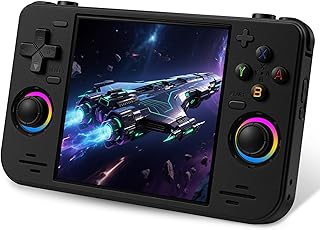
With a 5.5-inch IPS screen and a 5000mAh battery, the RG56PRO is the endurance champion of this budget bracket. It leans into 3D-capable titles and longer play sessions, and the open Linux system leaves plenty of room to tinker as your library grows.
2026 V40MAX Retro Handheld
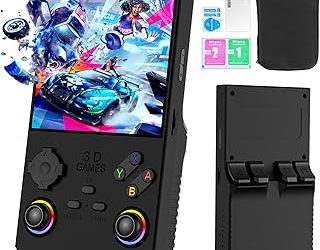
The V40MAX pushes a 4.0-inch 4K-ready IPS panel and a roomy 256GB of storage, making it feel more premium than its price suggests. Its wide emulator support and doubling as a video player give it real value beyond gaming alone.
RF40H Handheld Game Console
Rounding out the list, the RF40H offers a 4.0-inch screen, online play support, and a genuinely pocketable Linux design. It is a dependable middle-ground pick for anyone who wants Wi-Fi features without stretching the budget further.
Frequently Asked Questions
Are budget retro handhelds legal to use?
The hardware is completely legal, and emulation itself is legal. You are responsible for the ROMs you load, so stick to games you own or free homebrew to stay on the right side of copyright.
How many games do these really need?
Advertised counts of 20,000-plus are marketing more than substance, since most are duplicates or filler. A handful of well-emulated classics you actually play matters far more than the headline number.
What is the highest system a budget handheld can run?
Sub-$60 devices reliably handle everything up to PS1, while slightly pricier units with faster chips can reach PSP, N64, and Dreamcast with mixed results depending on the title.
Do I need to know Linux to use one?
No. These ship ready to play out of the box, and the Linux system stays invisible unless you choose to customize frontends, add ROMs, or install alternative firmware.
Final Thoughts
Budget retro handhelds in 2026 punch far above their price, and any of these five will get you playing classics within minutes of unboxing. If you want the safest first purchase, start with the R36s, then step up to the RG56PRO or V40MAX when you crave a bigger screen and more headroom. Match the device to how and where you play, and a small investment turns into countless hours of nostalgia.