Our Top Picks
The IEMs that enthusiast communities recommend most often for gaming are the Truthear x Crinacle Zero: Red, the 7Hz x Crinacle Zero:2 and the Moondrop CHU II, because they are inexpensive, easy to drive from any source and tuned to sit close to what listeners find natural. If you want one pick and do not want to read forum threads, start with the Moondrop CHU II for a balanced sound and add a mic separately. If you want a step up, the Kiwi Ears Cadenza II and the Simgot EW200 are the names that appear next.
A quick note on method before the list. We did not scrape or quote any thread, and we make no claim about what any specific post said. This guide takes the model names that are widely discussed in budget IEM communities such as the headphone and IEM subreddits, checks that each one is a real product in the store connected to this site, and then translates the forum shorthand into what it means for gaming. That last step is the part most threads skip.
Top Picks at a Glance
| Product | Best for | Key specs (from the listing) | Watch for | Price tier |
|---|---|---|---|---|
| Moondrop CHU II | Best first IEM | Dynamic driver; interchangeable cable | No mic in this listing | Budget |
| 7Hz x Crinacle Zero:2 | Best budget all-rounder | Updated 10 mm dynamic driver; OFC cable; no mic | Needs a separate mic | Budget |
| Truthear x Crinacle Zero: Red | Best for bass and space | Dual dynamic drivers; wired | Bass can mask cues | Mid-range |
| Tangzu Wan’er S.G II | Best for comfort | 10 mm dynamic, PET diaphragm; 2-pin detachable cable; no mic | No mic | Budget |
| Simgot EW200 | Best with a mic | 10 mm SCP diaphragm dynamic driver; all-metal body; 2-pin cable; 3.5 mm with mic | Metal body is heavier | Mid-range |
| Kiwi Ears Cadenza II | Best step-up | 10 mm titanium driver; KARS 2.0; 2-pin cable; no mic | No mic | Mid-range |
| Truthear Hexa | Best hybrid | 1 dynamic and 3 balanced armature drivers; 0.78 mm 2-pin cable | Hybrids care about fit | Mid-range |
How to Read Forum Recommendations as a Gamer
Budget IEM communities are excellent at one thing: ranking sound quality for music. They are less helpful on gaming-specific questions such as mic options, console compatibility and footstep clarity. The shorthand also confuses newcomers. Here is a quick translation.
| Forum phrase | What it usually means | What it means for gaming |
|---|---|---|
| Harman-style tuning | A tuning curve many listeners find pleasant, with a gentle bass lift and a smooth treble | Comfortable for long sessions; cues stay clear if the bass lift is modest |
| V-shaped | Boosted bass and treble with a recessed midrange | Exciting for cinematic games; can bury voices and footsteps |
| Neutral or reference | Flatter sound with less colouring | Good for competitive play, sometimes less thrilling |
| Sibilance | Harsh S and T sounds | Can be tiring in voice chat and in long sessions |
| Soundstage | Perceived width of the sound | Often small on IEMs; imaging matters more than width |
| Dongle DAC | A small USB adapter with its own DAC and amplifier | Fixes missing jacks and noisy onboard audio |
| Source or synergy | How well an IEM matches the device that powers it | Rarely a problem with easy-to-drive budget IEMs |
| Cable swap | Replacing the detachable cable | How you add a mic or change the length |
The practical lesson is that the most upvoted IEM for music is not always the best for gaming. A model with a mild bass lift and a clean midrange tends to be the safest choice, which is exactly why a handful of names keep appearing.
What the Community Gets Right and What It Skips
Gets right: value tiers, tuning descriptions, which models are easy to drive, which need a detachable cable and which have fit problems for smaller ears. Most budget threads also emphasise buying from an authorised seller and keeping the return window in mind.
Often skips: microphones, console jack behaviour, latency on wireless adapters, the way a game mix differs from a music mix, and the fact that most players are using onboard audio. In this guide we fill those gaps for each pick.
1. Moondrop CHU II: Best First IEM
- Driver: dynamic driver, described as high performance
- Cable: interchangeable cable
- Mic: none in this listing
- Impedance and sensitivity: not listed in the title
Best for: a first IEM for a PC, laptop or phone. Skip if: you need an inline mic.
The CHU II is the model people point to when someone asks for a safe, inexpensive IEM. Its appeal is simplicity: one dynamic driver, a replaceable cable, and a sound that does not try to be dramatic. For gaming, that is a sound strength, because a balanced tuning lets footsteps and dialogue stay clear.
Because the listing has no mic, add a clip-on mic or a mic cable. A separate mic is also a better route if you stream.
Pros:
- Easy to drive from any source
- Interchangeable cable
- Widely discussed, so help is easy to find
Cons:
- No mic
- Short specification sheet

Moondrop CHU II High Performance Dynamic Driver IEMs Interchangeable Cable in-Ear Headphone
One of the home product options compared in this guide.
View on Amazon2. 7Hz x Crinacle Zero:2: Best Budget All-Rounder
- Driver: updated 10 mm dynamic driver
- Cable: OFC IEM cable
- Mic: none in this listing
- Impedance and sensitivity: not listed
Best for: people who want a bit more detail than the cheapest options without leaving the budget tier. Skip if: you want a mic on the cable.
The Zero:2 is a revision of a very popular budget IEM, which explains why it keeps showing up. The listing names a 10 mm dynamic driver and a detachable cable, which is exactly the formula for a dependable gaming IEM. The updated version is marketed as an improvement on the original.
Pros:
- 10 mm dynamic driver
- Detachable cable
- Strong community recognition
Cons:
- No mic
- Sparse listing detail

Linsoul 7Hz x Crinacle Zero:2 in Ear Monitor, Updated 10mm Dynamic Driver IEM, Wired Earbuds Earphones, Gaming Earbuds, with OFC IEM Cable for Musician (Without MIC, Silver)
One of the home product options compared in this guide.
View on Amazon3. Truthear x Crinacle Zero: Red: Best for Bass and Space
- Drivers: dual dynamic drivers
- Design: wired, marketed as gaming earbuds
- Mic: none in the title
- Impedance and sensitivity: not listed
Best for: single-player and cinematic games where a fuller low end adds drama. Skip if: you play competitive shooters and want a flatter response.
The Red variant is described as the bass-forward version of the Zero line, while a Blue2 variant exists for a different balance. If you are considering the Red, remember that more bass is not always better for hearing footsteps. A modest EQ cut in the low frequencies helps if the bass feels like it is stepping on detail.
Pros:
- Dual dynamic drivers
- Strong community interest
- Good for cinematic games
Cons:
- Bass can mask cues
- No mic listed

TRUTHEAR x Crinacle Zero: RED Dual Dynamic Drivers in-Ear Headphone Gaming Earbuds HiFi Wired Earbuds
One of the home product options compared in this guide.
View on Amazon4. Tangzu Wan’er S.G II: Best for Comfort
- Driver: 10 mm dynamic driver with a PET diaphragm
- Cable: 2-pin detachable OFC cable
- Mic: none (3.5 mm without mic)
Best for: long sessions and smaller ears. Skip if: you need an inline mic.
Community recommendations often single out the Wan’er line for comfort and a smooth sound. The shell is compact, which helps if you have found bulkier IEMs fall out. The detachable 2-pin cable lets you add a mic later.
Pros:
- Compact, comfortable shell
- Detachable cable
- Dynamic driver design
Cons:
- No mic
- Multiple colour listings

TANGZU Wan'er S.G II Jade Dragon in Ear Monitor, Gaming IEM Earphones, HiFi Wired Earphones with Silicone Headphone Organizer, Tang Sancai Wide Bore Eartips, Tangle-Free Detachable Cable(3.5mm
One of the home product options compared in this guide.
View on Amazon5. Simgot EW200: Best With a Mic
- Driver: 10 mm dynamic with an SCP diaphragm
- Body: all metal
- Cable: detachable 0.78 mm 2-pin, silver-plated OFC
- Mic: this listing is the 3.5 mm with mic version
Best for: players who want a community-liked IEM with a mic in one purchase. Skip if: you want a very light shell.
Forum favourites often come without a mic, so the EW200 mic version is a useful exception. It lets you follow the recommendation and still talk in chat. The metal body is durable, though it is heavier than a plastic shell.
Pros:
- Mic version available
- Durable metal body
- Detachable 2-pin cable
Cons:
- Heavier
- Tuning not described in the title

Linsoul SIMGOT EW200 10mm SCP Diaphragm Dynamic Driver IEM in-Ear Earphones | with All Metal Body, Detachable 0.78mm 2pin Silver-Plated OFC Cable for Audiophiles Musicians, 3.5mm with Mic
One of the home product options compared in this guide.
View on Amazon6. Kiwi Ears Cadenza II: Best Step-Up
- Driver: 10 mm titanium driver
- Tuning system: KARS 2.0
- Shell: CNC aluminum faceplate
- Cable: 2-pin, 3.5 mm without mic
Best for: people who have outgrown the cheapest options and want more refinement. Skip if: you only want the cheapest possible pair.
The Cadenza line is often mentioned as a step up from the entry-level models. A titanium driver and a metal faceplate suggest a more premium build. It remains an easy-to-drive dynamic design, so it works with any source.
Pros:
- Titanium driver
- Replaceable cable
- Metal faceplate
Cons:
- No mic
- Higher tier than entry-level models

Linsoul Kiwi Ears Cadenza II 10mm Titanium Driver in Ear Monitor IEMs | KARS 2.0, Precise Tonal Balance, CNC Aluminum Faceplate, 2Pin Cable for Audiophiles Gaming, Blue, 3.5mm without Mic
One of the home product options compared in this guide.
View on Amazon7. Truthear Hexa: Best Hybrid
- Drivers: 1 dynamic and 3 balanced armature
- Cable: 0.78 mm 2-pin
- Design: marketed as gaming earbuds
- Mic: none in the title
Best for: people who want a hybrid with extra detail. Skip if: you want a mic cable out of the box.
Hybrids add balanced armature drivers to a dynamic driver, which can bring extra clarity in the upper ranges. They can also be more fit-sensitive, so spend time on the seal. The 2-pin cable allows a mic cable swap.
Pros:
- Hybrid with 1 dynamic and 3 balanced armature drivers
- Detachable 2-pin cable
- Community interest
Cons:
- More fit-sensitive
- No mic

TRUTHEAR Hexa 1DD+3BA Hybird in-Ear Headphone Gaming Earbud HiFi IEM Earphone with 0.78mm 2pin Cable
One of the home product options compared in this guide.
View on AmazonAlso Consider
Kiwi Ears Belle
A 10 mm DLC dynamic driver IEM with silver-plated cables. The listing offers a 3.5 mm with mic version, which makes it a way to get a mic with a respected maker.

Linsoul Kiwi Ears Belle 10mm DLC Dynamic Driver in-Ear Monitor, HiFi Wired Earbuds with Silver-Plated Cables, Professional IEM for Stage Performance/Gaming/Music Production (3.5mm No MIC, Silver)
One of the home product options compared in this guide.
View on AmazonMoondrop Blessing 3
A premium hybrid with 2 dynamic and 4 balanced armature drivers and a 0.78 mm 2-pin cable. It is far above the budget tier and best for people who also listen to music seriously.

Moondrop Blessing 3 in-Ear Earphones 2DD+4BA Hybrid Triple-Range Frequency Division in-Ear Monitors 0.78-2pin IEM Earbuds
Chosen because it is a hybrid/pocket-spring build.
View on AmazonSimgot EA500 LM 2nd Gen
A dual-magnet, dual-cavity dynamic driver IEM with a replaceable tuning nozzle and a detachable silver-plated cable. The replaceable nozzle lets you adjust the balance, which is helpful if you want to tame bass or treble.

Linsoul SIMGOT EA500 LM 2nd Gen Dual-Magnet & Dual-Cavity Driver IEM, 2Pin | with All Metal Cavity, Replaceable Tuning Nozzle, Detachable Silver-plated Cable, HiFi Wired Gaming Earbuds for Audiophiles
One of the home product options compared in this guide.
View on AmazonFiiO KA11 USB-C Audio Adapter
A small DAC and amplifier dongle for USB-C devices, listed with 32-bit, 384 kHz support. It is the standard answer when a forum thread says “get a dongle”.

FiiO KA11 USB C to 3.5mm Audio Adapter 32bit/384KHz, USB Type C Dongle HiFi DAC Amplifier for Android/iOS/Windows/Mac (Black, TC)
One of the home product options compared in this guide.
View on AmazonWorked Example: Why Easy-To-Drive Budget IEMs Dominate Recommendations
Threads often say “no amp needed”. Here is why that is true. Take an IEM with 32 ohm impedance and 100 dB per milliwatt sensitivity, an illustrative figure and not a specific listing. A phone or controller jack can supply about 0.5 volts RMS. Power equals voltage squared divided by impedance, so 0.25 divided by 32 is about 7.8 milliwatts. Loudness is 100 plus 10 times log10 of 7.8, or about 109 dB. That is more than enough, so the source is not the limit.
Now compare a hard-to-drive headphone at 300 ohm and 100 dB per milliwatt on the same 0.5 volts. Power is 0.25 divided by 300, or 0.83 milliwatts, which gives about 99 dB, and that is already tight once you account for dynamic peaks. That gap is the reason budget IEM recommendations rarely include an amplifier, while desktop headphone recommendations nearly always do. In short, you can ignore the amplifier advice for these picks.
This also explains the volume safety note: because IEMs reach high levels so easily, the safest habit is to start low and raise the volume slowly. Hearing-safety organisations suggest keeping long listening around 85 dB or below as a general guideline.
Decision Matrix: Which Community Favourite Fits You?
| Your situation | Pick | Reason |
|---|---|---|
| First IEM, balanced sound | Moondrop CHU II | Safe, neutral, easy to drive |
| Want one cable with a mic | Simgot EW200 mic version or Kiwi Ears Belle with mic | Mic included |
| Story games and music | Truthear Zero: Red | More low end |
| Small ears, long sessions | Tangzu Wan’er S.G II | Compact shell |
| Competitive shooter | 7Hz Zero:2 or Cadenza II | Cleaner, less coloured sound |
| Want extra detail | Truthear Hexa | Hybrid design |
| No headphone jack | Any pick plus FiiO KA11 | Dongle restores a 3.5 mm output |
A Three-Step Method to Turn Forum Advice Into a Purchase
- Collect names, not verdicts. Note the models that appear repeatedly across several discussions. A model mentioned many times in different contexts is a better signal than one enthusiastic post.
- Filter by your constraints. Cross out any model that fails your hard requirements: no mic when you need chat, a connector you cannot use, or a tier above your budget.
- Break ties with gaming needs. Between two close models, choose the one with the flatter midrange for competitive play, or the one with more bass for cinematic games. If both are equal, pick the one with a mic version.
This method takes ten minutes and avoids the two usual mistakes: buying the most hyped model without checking the mic, and buying a cheap model because the thread title said “best”.
Starting EQ Settings for Gaming With These IEMs
Almost every recommended IEM can be nudged with a simple equalizer, and a small change does more for gaming than a model swap. The settings below are starting points to adjust by ear, and they are general guidance rather than measurements of any specific listing. Use a parametric or graphic equalizer in your operating system or audio software and keep changes small, since large boosts add distortion and reduce headroom.
| Goal | Adjustment | Why |
|---|---|---|
| Hear footsteps more clearly | Lower 60 to 120 Hz by 2 to 4 dB; raise 2 to 4 kHz by 1 to 2 dB | Less low-end masking, more presence in the range where steps and reloads sit |
| Reduce fatigue in long sessions | Lower 6 to 8 kHz by 1 to 3 dB | Softens harsh treble and sibilance |
| Warm up a thin IEM | Raise 80 to 150 Hz by 2 dB | Adds body; first check the tip seal |
| Clearer voice chat | Raise 1 to 3 kHz by 1 to 2 dB | Voices sit in this region |
| Keep headroom | Add a small negative preamp equal to your largest boost | Avoids clipping in the digital stage |
If you apply any boost, lower the preamp by a matching amount. Keep a before-and-after habit: switch the equalizer off and on during a quiet scene so you can tell whether the change is helping. If you cannot hear a difference, leave it off.
Matching a Mic Cable to a Community-Favourite IEM
Because most recommended models have no mic, the cable matters. Use the table to see which of the picks accept a swap.
| IEM | Connector named in the listing | Mic route |
|---|---|---|
| Moondrop CHU II | Interchangeable cable; type not stated in the title | Check the product page, then choose a matching mic cable or a clip-on mic |
| 7Hz Zero:2 | Detachable OFC cable; no mic | Clip-on mic, or a cable with the matching connector |
| Tangzu Wan’er S.G II | 2-pin detachable | 2-pin mic cable or clip-on mic |
| Simgot EW200 | 0.78 mm 2-pin; mic version | Built-in mic on this version |
| Kiwi Ears Cadenza II | 2-pin | 2-pin mic cable or clip-on mic |
| Truthear Hexa | 0.78 mm 2-pin | 0.78 mm 2-pin mic cable or clip-on mic |
| Truthear Zero: Red | Not stated in the title | Check the product page first |
When a connector is not stated in the title, treat that as a prompt to check the detail page, not as permission to guess. A mismatched pin spacing can damage a socket.
Fit and Eartips: The Advice Every Thread Repeats
If there is one piece of forum advice that holds up, it is to try different eartips. A tip changes the seal, and the seal changes bass, isolation and comfort more than any model swap. Start with the supplied medium tip, then try the next size. If you find yourself moving up in price because the sound is thin, try tips first.
For long sessions, wear the cable over the ear and use a clip to take weight off the earphone. Wipe the nozzles regularly, since wax buildup quietly reduces volume and makes people think the IEM is failing.
When the consensus pick is wrong for you
Community favourites are tuned for the average listener, and you may not be average. If a recommended model sounds too bright, try a different tip before giving up on it, since foam tips and wide-bore silicone tips usually soften treble. If it sounds too dark, a narrower-bore tip tends to open the top end. If neither change works, move to the next name on your shortlist rather than chasing small differences, because the models in this guide are all competent and the right fit matters more than the badge.
How We Chose
This guide is research-based. We did not personally use these products, and we did not collect or quote forum posts. We began with models that are broadly discussed in budget IEM communities, then checked that each is a real, available product in the store connected to this site, and compared the specifications each listing actually states: driver type, cable, connector and mic option. We limited the main picks to two per brand and moved extras to a separate section. Where a listing was silent on a detail, we say it is not listed. Notes on sound are general expectations from driver type and the maker’s own description, not measurements.
Buying Guide
Mic plan
Most community favourites ship without a mic. Decide how you will talk: a mic cable, a clip-on mic, a desk mic or a model like the EW200 mic version.
Connector
A 0.78 mm 2-pin socket is the most common. Some models use 0.75 mm 2-pin, which looks similar but is not always compatible. Confirm before buying a spare cable.
Driver types
Single dynamic drivers are easy to drive and consistent. Hybrids add detail but need a better seal. Choose by fit and tuning, not by driver count.
Source
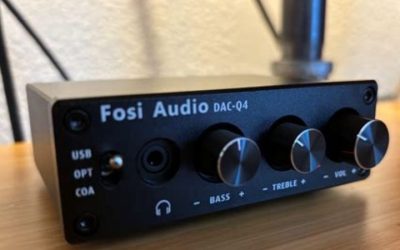
A phone, laptop or controller jack is enough for these picks. If your PC front jack hisses, use a dongle.
Return policy
Fit is personal. Buy from a seller with a clear return window so you can try the tips before committing.
Counterfeits
Popular budget IEMs attract copies. Buying from the brand’s official storefront or an authorised distributor reduces the risk.
Frequently Asked Questions
What IEM do most people recommend for gaming?
The Moondrop CHU II, the 7Hz Zero:2 and the Truthear Zero line appear most often in budget IEM discussions. For gaming, the CHU II is the safest all-rounder, and the others are close alternatives.
Are IEMs better than headsets for gaming?
They are usually better for isolation, comfort and portability, and a headset is easier for built-in mic use. Many players use an IEM with a clip-on mic.
Do I need a DAC or amp for budget IEMs?
No, they are easy to drive. A dongle only helps with missing jacks or hiss.
How do I add a mic to the IEMs that do not have one?
Use a mic cable with a matching 2-pin connector, a clip-on mic or a desk mic.
Is a bass-heavy IEM bad for FPS?
It can mask footsteps. A flatter model or a modest EQ cut helps.
Can I trust forum recommendations?
They are good for sound quality and value, but they rarely cover mics, consoles and latency. Use them as a shortlist, then check the listing for your needs.
Are IEMs safe to wear for long gaming sessions?
They can be comfortable if the fit is right, but sealed earphones deliver sound directly to the ear. Keep volume moderate and take breaks.
Which One Should You Buy?
Buy the Moondrop CHU II if you want the safest first pick and plan to add a mic. Buy the Simgot EW200 mic version if you want an all-in-one. Choose the 7Hz Zero:2 or Kiwi Ears Cadenza II for competitive play, the Truthear Zero: Red for story games, the Tangzu Wan’er S.G II for comfort and the Truthear Hexa for extra detail.
Sources
- Manufacturer and seller product listings for each model named above
- Moondrop, Truthear, 7Hz, Tangzu, Simgot and Kiwi Ears brand product pages
- General budget IEM community discussion (not quoted)
- NIOSH guidance on occupational noise exposure
Last updated: October 2026