Our Top Picks
 ASUS ProArt PA279CRV 27 Inch 4K UHD USB-C27 Inch24.1 x 8.46 x 16.07 inches18.25 poundsCheck on Amazon
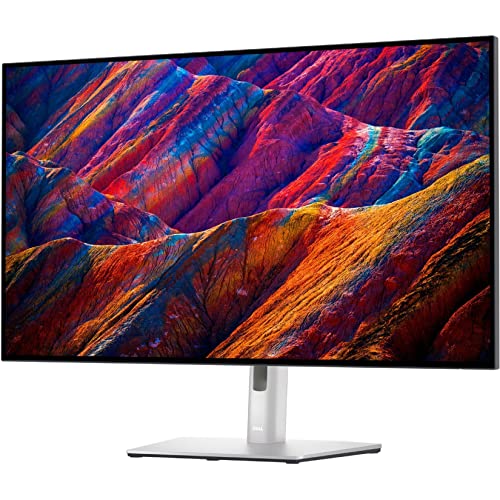 Dell UltraSharp U3223QE 31.5" 4K UHD WLED LCD75Hz18.5 x 28.1 x 9.2 inches22.84 poundsCheck on Amazon
 Yaheetech Metal Dining Chairs Set of 421.5D x 18W x 33H in21.5 x 18 x 33 inches41 poundsCheck on Amazon
A developer spends most of the working day reading text. Code, documentation, terminal output, and diffs all sit on the same panel for hours, so the monitor matters more here than for almost any other kind of desk work. A sharp panel keeps small type legible, a wide panel keeps two windows side by side, and a single-cable USB-C connection keeps a laptop charged while it drives the display. This guide compares five desktop monitors that suit that kind of work, judged from their stated specifications. None of the listings quoted here calls its monitor a developer monitor, and this guide does not claim otherwise. The fit for coding comes from resolution, text clarity, screen size, USB-C charging, pivot support, and eye comfort, all of which the listings do state.
Every pick below is a desktop monitor with a 4K panel, an IPS-type display, and a USB-C connection. A 4K panel at 27 inches puts roughly 163 pixels in every inch, which keeps small fonts crisp at normal viewing distance. An IPS-type panel holds color and contrast steady when you lean back or shift in your chair. A USB-C connection carries video, data, and laptop charging over one cable. The five picks differ in size, charging wattage, color coverage, and extras such as a built-in KVM switch or a daisy-chain output, and the comparison table at the end lines those differences up side by side.
What to look for
Resolution comes first. A 4K panel shows 3840 by 2160 pixels. For code, that density matters because it keeps thin letterforms smooth instead of jagged, and it lets you run a smaller font size without losing legibility. A 1440p panel can work for code, but text looks softer at the same physical size, and you fit fewer lines on screen. All five monitors in this guide use 4K panels, so resolution is not the deciding factor between them. Size is. A 27-inch 4K panel gives the sharpest text of the group, while a 32-inch 4K panel shows the same pixel count spread over a larger area, which suits anyone who finds small type tiring. Ultrawide models are left out for a reason explained in the closing section.
Text clarity depends on more than pixel count. A matte, anti-glare coating keeps reflections from a window or a room light from washing out dark text on a light background, and every pick here uses one. A flicker-free backlight and a low blue light mode reduce eye fatigue during long sessions. A height-adjustable stand matters just as much: the top of the screen should sit near eye level, and a stand that adjusts in height, tilt, and swivel lets you set that. Pivot support turns the panel upright, which suits reading long files, long web pages, or a tall terminal window, and all five picks here rotate to portrait.
USB-C charging wattage deserves a close look. A 65W connection suits an Air-class laptop and most 13-inch machines, while a 16-inch laptop under heavy load can draw more than 65W and slowly lose charge even while plugged in. A 90W or 96W connection covers a wider range of laptops. All five picks here carry USB-C with power delivery, and the table lists the exact wattage for each one. Check the wattage against your own laptop, and confirm that your laptop supports video over USB-C at all, since some older machines do not.
Color coverage matters less for code than for photo work, yet it still counts. A panel that covers the full sRGB range shows web pages and interface colors the way their makers intended, and wide DCI-P3 coverage adds headroom for design-adjacent work. Factory calibration with a stated Delta E figure tells you the panel left the factory with measured color accuracy. KVM support is a quiet bonus: one keyboard and mouse control two connected computers, which suits anyone who keeps a work machine and a personal machine on the same desk. A daisy-chain output lets one cable feed a second monitor, which suits a two-screen desk without a separate dock.
The five monitors
ASUS ProArt Display PA279CRV 27-Inch 4K HDR Monitor
The ASUS ProArt PA279CRV is a 27-inch 4K monitor with an IPS panel, and it is the strongest all-round pick in this guide. Its 3840 by 2160 panel covers near-complete DCI-P3 and near-complete Adobe RGB, with a factory calibration that holds color error to a Delta E figure under 2, verified by Calman. That level of color accuracy is more than code work strictly needs, yet it suits developers who also handle design files or interface mockups. The panel carries VESA DisplayHDR 400 certification, and the listing names a 178-degree viewing angle, so text stays readable when you lean back or glance at the screen from the side.
Connectivity is the PA279CRV’s other strength. Its USB-C port delivers 96W of charging, the highest figure in this guide, which covers a wide range of laptops including larger machines. A DisplayPort input and an HDMI input sit beside the USB-C port, and a daisy-chain output lets one cable feed a second monitor. A built-in USB hub keeps peripherals attached to the display rather than the laptop, so docking stays a one-cable job. The stand adjusts in height, tilt, swivel, and pivot, so the panel turns upright for reading long files, and the monitor carries a three-year warranty.
Two things deserve a note. The PA279CRV runs at 60Hz, which is standard for a work monitor and perfectly smooth for code, documentation, and terminal work, but it will not feel like a high-refresh gaming panel, and it is not meant to. The listing also bundles a three-month Adobe Creative Cloud membership, a software extra that does not change how the panel performs. Recent tracker evidence shows the listing live on Amazon US with stock available, and the model has been sold through the same ASIN since April 2023, which gives the listing a long, stable history.
Dell UltraSharp U3223QE 32-Inch 4K USB-C Hub Monitor
The Dell UltraSharp U3223QE is a 31.5-inch 4K monitor, and its larger panel is the reason to choose it over a 27-inch model. The same 3840 by 2160 pixel count spread over 31.5 inches gives larger on-screen text at the same scaling setting, which suits anyone who finds small type tiring after hours of reading. Its IPS Black panel lists a 2000 to 1 contrast figure, roughly twice the contrast of a standard IPS panel, so dark text on a light background looks deeper. The panel covers the full sRGB range and the full Rec.709 range, with a 400-nit brightness figure and DisplayHDR 400 support.
The U3223QE works as a full desktop hub, not just a display. Its USB-C port carries video, data, and up to 90W of charging, and the monitor adds an RJ45 Ethernet port, five USB ports, an HDMI input, and a DisplayPort input. A built-in KVM switch lets one keyboard and mouse control two connected computers, and a second 4K monitor can be daisy-chained from the first over USB-C, using display stream compression to hold full resolution on both panels. The stand adjusts in height, tilt, swivel, and pivot, and the monitor carries a three-year warranty.
Two limits deserve a note. The panel runs at 60Hz, which suits code and documentation work, and the monitor has no built-in speakers, so audio needs separate speakers or headphones. The larger panel also needs a deeper desk than a 27-inch model, since a 31.5-inch screen at close range can feel too wide for some setups. Recent tracker evidence shows the listing live on Amazon US, checked within the last day, and the model has been sold through the same ASIN since mid-2024.
LG UltraFine 27UP850-W 27-Inch 4K USB-C Monitor
The LG UltraFine 27UP850-W is a 27-inch 4K monitor with an IPS panel, and it is the simplest way to get a sharp 4K panel with strong USB-C charging. Its 3840 by 2160 display covers near-complete DCI-P3 and carries DisplayHDR 400 certification, which gives it color headroom beyond the sRGB range for design-adjacent work. The USB-C port delivers 96W of charging, matching the highest figure in this guide, so it covers a wide range of laptops from Air-class machines up to larger models. Two HDMI inputs, a DisplayPort input, two USB-A ports, and a headphone jack round out the connections, and built-in speakers handle video calls without extra hardware.
The stand adjusts in height, tilt, swivel, and pivot, so the panel turns upright for reading long code files, and the three-side borderless design keeps the frame slim when two of these sit side by side. A 60Hz refresh figure suits code, documentation, and terminal work. At 27 inches, the 4K panel gives the sharpest text in this guide, with roughly 163 pixels per inch, which keeps small fonts smooth at normal viewing distance.
One flag matters more than any other for this model. LG lists the 27UP850-W as discontinued in some regions, and a successor model, the 27UP850K-W, now exists with a 90W USB-C connection instead of 96W. The W model was still sold on Amazon US as of mid-November 2026, and a tracker check within the last day shows the listing live with stock available, but the successor makes the long-term future of this exact ASIN uncertain. Confirm that the live listing names model 27UP850-W and not the K-model before you buy. If the W model disappears from the listing, the K-model is the natural replacement, with slightly lower USB-C charging.
BenQ PD2705U 27-Inch 4K Mac-Ready Monitor

The BenQ PD2705U is a 27-inch 4K monitor with an IPS panel, and it is the most Mac-friendly pick in this guide. Its factory calibration covers near-complete sRGB and near-complete Rec.709, with a Delta E figure under 3, and the monitor carries Calman Verified and Pantone validation. A dedicated M-Book mode matches the monitor’s color output to a MacBook display. The monitor ships with a HotKey Puck controller that switches display modes without opening on-screen menus, and the listing names ICCsync, which keeps color profiles in step when modes change.
Connectivity suits a mixed desk. The USB-C port delivers 65W of charging, which suits Air-class laptops and most 13-inch machines, though a 16-inch laptop under heavy load can draw more, so larger machines may need their own charger alongside the monitor. An HDMI input, a DisplayPort input, a DisplayPort output for daisy-chaining, and a USB hub sit beside the USB-C port, and a built-in KVM switch controls two connected computers from one keyboard and mouse. The stand adjusts in height, tilt, swivel, and pivot, and the monitor carries a three-year warranty. A 350-nit brightness figure and HDR10 support round out the panel, which runs at 60Hz.
One flag needs a plain statement. Availability evidence for this ASIN conflicts: one check in mid-November 2026 found the Amazon listing unavailable, while a tracker crawl within the last few days shows the listing live with stock available. The most recent evidence governs, and this guide keeps the model on that basis, but the conflict means you should confirm the live listing before you buy, and check that it names the exact model PD2705U. The 65W charging figure is the other honest limit here.
Samsung S80A 27-Inch 4K USB-C Monitor

The Samsung S80A is a 27-inch 4K monitor with an IPS panel, and it is the pivot-first pick in this guide. Its listing names a vertical orientation as a headline feature, and the stand rotates a full 90 degrees with a smooth detent, which suits reading long files, long web pages, or a tall terminal window without scrolling. The 3840 by 2160 panel supports HDR10 with a one-billion-color figure, and the listing names Eye Saver Mode and a flicker-free backlight. Built-in speakers handle video calls and system sounds, and the stand adjusts in height, tilt, swivel, and pivot.
Connectivity covers the essentials for a coding desk. The USB-C port delivers 90W of charging, and an HDMI input, a DisplayPort input, and a USB hub sit beside it. A 60Hz refresh figure suits code, documentation, and terminal work, and the panel’s 300-nit brightness figure is the lowest in this guide, which matters if your desk sits near a bright window. At 27 inches, the 4K panel gives the same sharp text as the other 27-inch picks here, with roughly 163 pixels per inch.
One flag matters for this model. Stock on the Amazon listing looks thin: a mirror check within the last few days showed only a small number of units remaining, fulfilled by a third-party seller rather than Amazon itself. The listing is live, and this guide keeps the model on that basis, but the thin stock and third-party fulfillment mean you should confirm the live listing, the seller, and the return terms before you buy. If the listing shows no buying option, the other four picks in this guide cover the same ground.
Comparison table
| Monitor | Size | Resolution | Panel | USB-C charging | Pivot |
|---|---|---|---|---|---|
| ASUS ProArt PA279CRV | 27 in | 3840 x 2160 | IPS | 96W | Yes |
| Dell UltraSharp U3223QE | 31.5 in | 3840 x 2160 | IPS Black | 90W | Yes |
| LG UltraFine 27UP850-W | 27 in | 3840 x 2160 | IPS | 96W | Yes |
| BenQ PD2705U | 27 in | 3840 x 2160 | IPS | 65W | Yes |
| Samsung S80A | 27 in | 3840 x 2160 | IPS | 90W | Yes |
Frequently asked questions
Do I need a 4K monitor for coding, or is 1440p enough?
A 1440p panel can work for code, but a 4K panel at 27 inches keeps small type visibly sharper, and it fits more lines on screen at the same font size. If your desk fits a 27-inch panel and your machine can drive 3840 by 2160 at 60Hz, a 4K panel is the safer long-term choice. If your machine cannot drive 4K, a 1440p panel is a reasonable compromise, though none of the picks in this guide uses one.
Is USB-C charging wattage really important?
Yes, because the number decides whether your laptop holds its charge while you work. A 65W connection suits Air-class laptops and most 13-inch machines, while a 16-inch laptop under heavy load can draw more than 65W and slowly lose charge even while plugged in. A 90W or 96W connection covers a wider range of laptops. Check your laptop’s own charging figure, confirm that it supports video over USB-C, and match the monitor’s wattage to it.
Should I pick a 27-inch panel or a 32-inch panel?
A 27-inch 4K panel gives the sharpest text, with roughly 163 pixels per inch, which suits anyone who reads small type comfortably. A 32-inch 4K panel shows the same pixel count over a larger area, so on-screen text looks bigger at the same scaling setting, which suits anyone who finds small type tiring. The trade is desk space: a 31.5-inch panel needs a deeper desk and can feel too wide at close range. Measure your desk depth and viewing distance before you choose; a 27-inch panel with slightly larger scaling gives a similar result to a 32-inch panel at default scaling.
How to choose
Begin with size and sharpness. If your desk fits a 27-inch panel and you read small type comfortably, the ASUS ProArt PA279CRV is the strongest all-round pick, with wide color coverage, 96W USB-C charging, and a daisy-chain output. If you want the same 4K sharpness with the same 96W charging and built-in speakers, the LG UltraFine 27UP850-W matches it, though you should confirm the exact model on the live listing, since LG lists it as discontinued in some regions. If you work on a Mac and want color that matches your laptop screen, the BenQ PD2705U is the natural fit, with its M-Book mode and HotKey Puck, though its 65W charging suits smaller laptops best and its availability evidence conflicts, so confirm the live listing first.
If larger text matters more than the sharpest text, the Dell UltraSharp U3223QE is the pick, with a 31.5-inch IPS Black panel, 90W USB-C charging, an Ethernet port, and a KVM switch. If you read long files in portrait, the Samsung S80A is the pivot-first pick, though its stock looks thin and its fulfillment runs through a third-party seller, so confirm the live listing before you buy.
One type was left out. An ultrawide monitor gives roughly the horizontal space of two smaller screens without a bezel down the middle, and it suits developers who keep an editor, a browser, and a terminal open at once. The Dell UltraSharp U3425WE is a strong ultrawide for that job, with a 34-inch curved panel and Thunderbolt 4, but the Amazon listing found in this session was sold by a third-party seller only, with no Amazon-sold stock surfaced, so it was left out on thin evidence. If you want an ultrawide, check that listing directly and confirm the seller and the return terms before you buy.
Whatever you choose, confirm three things on the live listing before you buy: the exact model number, the USB-C charging wattage against your own laptop, and that the listing shows a live buying option.
Disclosure: As an Amazon Associate, we may earn a commission from qualifying purchases made through links in this article, at no additional cost to you.
FAQ
Do I need a 4K monitor for coding, or is 1440p enough?
Is USB-C charging wattage really important?
Should I pick a 27-inch panel or a 32-inch panel?
More from Amazon
Programs that pair well with the guide above. Offers and eligibility are set by Amazon and may change.
Free shipping on eligible items, Prime Video and more. Eligible new members can start with a free trial.
Start a Prime free trialAd-free music streaming. Eligible new subscribers can start with a free trial.
Try Music Unlimited freeA Prime membership for ages 18-24 with a trial period. Eligibility is set by Amazon.
See Prime for Young AdultsAudiobooks and podcasts to listen to on the go. Eligible new members can start with a free trial.
Try Audible freeAs an Amazon Associate we earn from qualifying purchases.