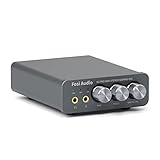
Key takeaways
- External SSD Setup: High-speed 2TB external SSDs range from $150 to $290 initially. Over 5 years, their main value lies in cross-device compatibility. However, continuous cable strain or port wear may require replacing USB-C cables ($10–$20) over time. If external drive ports suffer drop damage, replacing the complete unit brings the 5-year investment closer to $300–$350.
- Internal SSD Mod Setup: A typical internal modification requires buying an internal NVMe or SATA SSD ($100–$180 for 2TB) plus an adapter kit or extension board ($7.50–$25). Total upfront cost lands around $110 to $205. Because internal components are shielded from physical shocks, spills, and cable strain, their long-term survival rate is high, keeping total 5-year expenditure under $210.
What's inside
Designing a streamlined home office or a sleek living room entertainment center often comes down to a single frustrating obstacle: digital clutter. As home offices and media rooms evolve in 2026, managing extra storage while keeping your physical footprint clean has become a core interior design challenge. When your computer, gaming console, or media server runs out of capacity, you face a clear fork in the road: plug in an external storage drive that sits on top of your furniture, or open up your device and perform an internal drive modification to hide your upgrade entirely inside the chassis.
Choosing between an external SSD vs internal SSD mods isn’t just a technical decision—it shapes the aesthetics, safety, and functionality of your living space. An external drive sits on your desk surface, attached via cables, offering portability at the expense of surface space. On the other hand, internal modifications—such as fitting a larger form factor drive into a compact system using an adapter kit or expansion board—keep all components invisible and protected, but require a hands-on installation. Whether you are balancing a tiny floating desk in an apartment or building a wire-free media console for a busy family room, understanding how these two storage strategies impact your home environment is essential.
As an Amazon Associate we earn from qualifying purchases at no extra cost to you. Product prices and availability are accurate as of the date shown and are subject to change.



Quick Verdict
If you prioritize portability, zero setup effort, and the ability to move multi-terabyte libraries between your living room TV and home office desk, an external SSD is the clear winner. Drives like the Sandisk 2TB Extreme Portable SSD, Up to 1050MB/s, USB-C, USB 3.2 Gen 2, IP65 Water and Dust Resistance, Updated Firmware, External Solid State Drive, SDSSDE61-2T00-G25 ($289.99) offer high transfer rates in a pocket-sized, weather-resistant enclosure that requires no assembly. Meanwhile, traditional mechanical options like the Seagate 2TB Portable Hard Drive | USB 3.0 (STGX2000400) ($129.99) provide affordable backup space, though with a bulkier footprint and lower physical impact resistance.
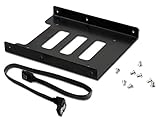
However, if your goal is absolute wire management, zero desk clutter, and maximum stability against pets or spills, internal SSD mods reign supreme. Utilizing hardware like the JMT 2242 to 2280 M.2 Modification Board Compatible with NVME Legion Go SSD Memory Card 4T 8T (2242 to 2280) ($24.98) lets you install larger, cost-effective M.2 drives into tight handheld or mini-PC slots. Similarly, using a Valuegist 2.5″ to 3.5″ Internal SSD/HDD Mounting Kit, Metal Bracket Adapter with SATA 3.0 Cable ($7.59) allows standard solid-state drives to mount securely inside desktop cases or home server towers, completely hiding your storage behind aluminum and glass.
Side by Side
| Factor | External SSD | Internal SSD Mods |
|---|---|---|
| Comfort & Installation | Plug-and-play via USB-C; zero tools required. | Requires opening device chassis and basic tool assembly. |
| Durability & Housing | Encased in rubberized/metal shells; exposed on desk. | Enclosed inside system chassis; 100% protected from exterior drops. |
| Price Range | $80–$300+ depending on speed, capacity, and IP ruggedness ratings. | $10–$25 for mod kit/adapter plus $60–$220 for raw internal drive. |
| Maintenance | Occasional dusting; check USB ports for cable wear. | Zero external maintenance; internal dust cleaning every 6–12 months. |
| Space Needed | Requires desk or console surface space (~4″ x 2″ x 0.4″ footprint). | 0 sq inches of room space; uses existing empty internal bays. |
| Visual Look | Visible dongle and trailing cable on desk or entertainment unit. | Seamless, totally invisible setup with zero surface wires. |
| Resale & Transferability | Instantly disconnected and plugged into any new host computer. | Requires removing mod bracket or selling as an upgraded unit. |
| Best For | Renters, multi-device households, and remote work travel setups. | Minimalist offices, permanent gaming hubs, and child/pet-proof spaces. |
Where External Ssd Wins
External solid-state drives excel in environments where flexibility, mobility, and immediate convenience matter most. Because they connect through universal standards like USB-C and USB 3.2 Gen 2, you can disconnect a 2TB external drive from your home office workstation in seconds and attach it to a Smart TV or gaming console in the living room. There are no screwdrivers to collect, no warranty seals to navigate, and no firmware configuration steps required beyond standard formatting.
From a spatial perspective, modern external SSDs are remarkably compact. Measuring roughly 3.9 inches long, 2.0 inches wide, and weighing under 50 grams, a premium portable drive takes up minimal real estate on top of a writing desk or nightstand. For individuals working from coffee shops or hot-desking across room setups, the physical mobility of an external enclosure is unmatched. Advanced outdoor-ready drives feature IP65 water and dust resistance, along with silicone outer shells designed to withstand 3-meter drops onto hardwood or tile floors. If you happen to knock a portable drive off your standing desk, its shock-absorbing housing protects your data from physical destruction far better than a delicate spinning hard drive.
Where Internal Ssd Mods Wins
For home decor enthusiasts and interior design purists, internal SSD mods offer the ultimate structural advantage: zero physical footprint. When you modify an internal storage system, every component remains hidden behind the aluminum, steel, or tempered glass paneling of your desktop PC, mini PC, or gaming console. There are no trailing black rubber cables catching dust behind your desk, no glowing indicator LEDs distracting you during late-night work sessions, and zero risk of a curious toddler or cat yanking a cable mid-transfer.
Internal SSD modifications also unlock substantial cost-to-performance gains. Standard internal M.2 NVMe drives (such as the widespread 2280 form factor measuring 22mm x 80mm) are generally less expensive per terabyte than factory-sealed external drives. If you own a compact system that natively accepts smaller drives—like 2242 M.2 cards—using an inexpensive modification board allows you to install high-capacity 2280 SSDs for a fraction of the cost. Similarly, utilizing a metal bracket adapter to mount a 2.5-inch SATA drive into a standard 3.5-inch drive bay gives older home media servers a quiet, energy-efficient upgrade without cluttering your floor space with external drive hubs.
Beyond visual minimalism, internal mods offer superior thermal stability and direct motherboard bandwidth. Drives mounted internally draw power directly through internal 5V/12V rails or PCIe slots (consuming 2.5W to 7W under full load) and benefit from the host system’s internal fan intake, avoiding the ambient heat buildup common on crowded wooden desk surfaces.
Cost Over 5 Years
Evaluating the true cost of an external SSD vs internal SSD mods over a 5-year period requires factoring in the initial hardware purchase, adapter hardware, and potential lifespan/upgrade paths.
- External SSD Setup: High-speed 2TB external SSDs range from $150 to $290 initially. Over 5 years, their main value lies in cross-device compatibility. However, continuous cable strain or port wear may require replacing USB-C cables ($10–$20) over time. If external drive ports suffer drop damage, replacing the complete unit brings the 5-year investment closer to $300–$350.
- Internal SSD Mod Setup: A typical internal modification requires buying an internal NVMe or SATA SSD ($100–$180 for 2TB) plus an adapter kit or extension board ($7.50–$25). Total upfront cost lands around $110 to $205. Because internal components are shielded from physical shocks, spills, and cable strain, their long-term survival rate is high, keeping total 5-year expenditure under $210.
Which One for Your Home
Small Apartment
In a small apartment or studio where a single table serves as a dining spot and working desk, space optimization is key. Internal SSD mods keep your work storage buried inside your computer chassis, leaving your limited table surface entirely free for notebooks, diningware, and lighting. However, if you rely on a single laptop and need to back up files across multiple personal devices, a single external SSD that stores away in a drawer when not in use is equally practical.
Family with Kids or Pets
Homes with young children, dogs, or cats present a high-risk environment for exposed electronics. External cables hanging off desks or media consoles are frequent targets for pulling, chewing, or accidental tripping. In this environment, internal SSD modifications provide complete security by sealing the storage media safely inside your PC casing or media hub, completely out of reach of spilled juice boxes or wagging tails.
Rental Home
If you live in a rental, non-permanent desk arrangements are common. An external SSD shines here because it requires no fixed installation, no toolboxes, and can be repacked in seconds during a move. It also easily bridges the gap if your landlord-provided furniture lacks dedicated cable management channels or behind-desk grommets.
Long-Term Home Office
For dedicated home offices with custom cabinetry, floating timber desks, and tailored cable runs, internal SSD mods are the gold standard. Hiding storage expansion inside your desktop, server, or console ensures your workspace retains its clean architectural lines. Combined with silent solid-state operation, an internally modded setup eliminates desk clutter, letting high-end furniture materials like solid white oak or brushed steel take center stage.
FAQ
Are internal SSD modifications safe for non-technical users?
Yes, modern internal modifications using mounting brackets or M.2 extension boards are straightforward. Installing a 2.5-inch bracket kit or an M.2 board adapter generally requires only a small Phillips screwdriver and 10 to 15 minutes of quiet work. As long as you ground yourself against static electricity and follow your system’s disassembly manual, the risk of component damage is minimal.
Do external SSDs run hotter than internal SSDs on a wooden desk?
External SSDs dissipate operational heat through their outer aluminum or rubberized shells. Under heavy data transfers, these enclosures can warm up to 110°F–130°F. While safe for sealed timber or stone surfaces, placing an active external drive directly on delicate varnished or leather-topped desk pads for prolonged periods can trap ambient heat under the drive.
How do transfer speeds compare between external USB-C drives and modified internal drives?
Internal NVMe SSDs running on PCIe slots deliver speeds ranging from 3,500 MB/s to over 7,000 MB/s. External SSDs operating over standard USB 3.2 Gen 2 interfaces top out around 1,050 MB/s. While 1,050 MB/s is more than fast enough for 4K video editing and daily document transfers, internal mods provide vastly superior bandwidth for heavy system tasks and large application libraries.
Will an external SSD clutter my living room media console?
An external drive requires both surface space and an active cable connected to your TV, dock, or console. Unless you use adhesive mounting strips to secure the drive behind your TV, the enclosure and cable will remain visible on top of your media furniture, collecting dust and disrupting flat surfaces.