Key takeaways
- Wired Infrastructure ($65 – $400 total over 5 years):
- 100 ft Cat6a patch cable: $25 – $40.
- 5-port Unmanaged Gigabit Switch: $20 – $35.
- In-wall installation / decorative raceway channels: $20 – $300 (optional DIY vs professional).
- Electricity cost (5 years @ 3W continuous): ~$12.
- Total maintenance/upgrade costs: Near $0 over 5+ years.
What's inside
When designing a home gaming space, balancing raw performance with interior aesthetics is a constant negotiation. The debate over wired vs wireless ethernet for gaming is no longer just a technical networking choice—it directly impacts your living environment, baseboard cable management, wall integrity, and furniture layout. While competitive esports players prioritize ultra-low ping above all else, homeowners and renters must also weigh the physical clutter of running cables through doorways against the clean look of a cable-free room.
As home networking standards evolve in 2026, high-speed Wi-Fi 6E and Wi-Fi 7 have narrowed the bandwidth gap. However, physical physics still dictates how data travels through drywall, plaster, and concrete. Below, we break down how both options perform across technical metrics, installation logistics, visual clutter, and long-term home ownership costs.
As an Amazon Associate we earn from qualifying purchases at no extra cost to you. Product prices and availability are accurate as of the date shown and are subject to change.


Quick Verdict
Wired Ethernet remains the undisputed champion for competitive gaming performance, delivering flawless packet delivery, minimal jitter (under 1ms variation), and zero wireless interference. However, running Cat6 or Cat6a cables requires thoughtful cable routing, tacking, or in-wall installation, which can compromise clean interior lines or breach lease agreements in rental properties.
Wireless Ethernet (Wi-Fi) offers maximum spatial flexibility and an immaculate interior presentation. It eliminates visible wire tracks along floors and doors. While modern tri-band Wi-Fi handles high-bandwidth 4K streams with ease, signal attenuation through thick walls and momentary latency spikes (bufferbloat) remain inherent trade-offs for a wire-free room.
Side by Side
| Feature / Metric | Wired Ethernet (Cat6 / Cat6a) | Wireless Ethernet (Wi-Fi 6E / Wi-Fi 7) |
|---|---|---|
| Comfort & Setup Effort | Requires running physical cables along walls, carpet edges, or through studs. | Instant pairing; simple software setup with zero physical wire runs. |
| Durability & Lifespan | 10–15+ years; solid copper cables do not degrade without physical cut/crimp damage. | Hardware modernizes every 3–5 years as router standards advance. |
| Upfront Price Range | $15 – $60 for cables/switches; up to $300+ for professional in-wall installation. | $150 – $600 for premium tri-band mesh systems or gaming routers. |
| Maintenance | Near zero; plug-and-forget hardware with no firmware vulnerability risks on passive lines. | Occasional rebooting, firmware updates, and channel optimization required. |
| Space Needed | Requires cable clips, raceways, or wall plates along trim lines. | Zero floor or wall footprint beyond router and node placement. |
| Visual Look & Aesthetics | Can create visual clutter along baseboards if not hidden inside walls or raceways. | Clean, minimalist desk and living room presentation; zero cord visibility. |
| Resale & Home Value | Structured Cat6 wall jack wiring adds tangible utility value to modern tech-focused homes. | No impact on physical real estate value; hardware stays with owner. |
| Best For | Dedicated home offices, basements, hard-core multiplayer PC/console stations. | Renters, multi-use living rooms, historical homes with thick plaster walls. |
Where Wired Wins
A direct hardwired connection eliminating physical air gaps remains the ultimate baseline for reliable low-latency gaming. When you plug a Cat6 or Cat6a cable into your gaming PC or console, data travels over copper strands shielded from household electronic noise. Microwave ovens, Bluetooth speakers, baby monitors, and neighboring Wi-Fi networks have zero impact on your ping.
For high-frequency competitive gaming where every millisecond counts, hardwired ethernet consistently delivers sub-2ms ping variance (jitter) and 0% packet loss. Furthermore, direct ethernet connection yields maximum full-duplex gigabit or 2.5Gbps speed transfers without drop-offs across distance. Power consumption is also minimal: an unmanaged 5-port gigabit switch draws only 2 to 4 watts, compared to high-power Wi-Fi routers drawing 15 to 30 watts continuously.
The dedication to latency-free performance extends to audio and desk accessories as well. Serious gamers often match hardwired networking with direct-connect peripherals—such as utilizing reliable plug-and-play audio devices like the Apple EarPods Headphones with USB-C Plug, Wired Ear Buds with Built-in Remote to Control Music, Phone Calls, and Volume to eliminate Bluetooth audio lag during tense voice-chat matches.
Where Wireless Ethernet for Gaming Wins
Wireless setups dominate when interior design, structural integrity, and physical freedom take priority. Drilling through floorboards or stapling thick blue cables over decorative crown molding can ruin the polished look of a living room or study. Achieving a flexible, stylish space—much like maintaining control over your personal presentation using versatile products like RUSK Designer Collection Wired Flexible Styling Creme 6 Oz, 6 Oz, IRAWRDP6—is all about adaptability and clean lines without rigid, unsightly clutter.
Wi-Fi allows you to position your gaming desk anywhere in the room, including floating desks in the center of an office, without running dangerous trip hazards across rug pathways. Modern multi-band routers operating on the uncrowded 6GHz spectrum deliver throughput speeds exceeding 1,000 Mbps under line-of-sight conditions.
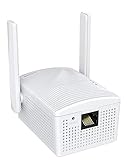
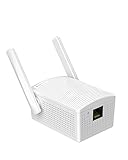
For hardware lacking built-in Wi-Fi cards or living in rooms far from the primary access point, wireless bridges offer an elegant middle ground. Devices like the BrosTrend AC1200 WiFi to Ethernet Adapter Dual Band Universal Wi-Fi Bridge or the BrosTrend Dual Band 1200Mbps WiFi Bridge, Convert Wired Device to Wireless allow you to connect a console or desktop via a short local ethernet patch cable to a dedicated wireless receiver, avoiding the need to run 100-foot cables across your entire home layout.
Cost Over 5 Years
Evaluating long-term financial commitment requires looking beyond the initial purchase price of cables or routers:
- Wired Infrastructure ($65 – $400 total over 5 years):
- 100 ft Cat6a patch cable: $25 – $40.
- 5-port Unmanaged Gigabit Switch: $20 – $35.
- In-wall installation / decorative raceway channels: $20 – $300 (optional DIY vs professional).
- Electricity cost (5 years @ 3W continuous): ~$12.
- Total maintenance/upgrade costs: Near $0 over 5+ years.
- Wireless Infrastructure ($280 – $750 total over 5 years):
- Mid-to-high-end Wi-Fi 6E/7 Router or 2-Node Mesh System: $200 – $500.
- Dedicated Wi-Fi bridge or PCIe desktop card: $35 – $80.
- Electricity cost (5 years @ 25W continuous): ~$100.
- Total maintenance/upgrade costs: Routers typically require replacement every 4–5 years to keep pace with new bandwidth protocols.
Which One for Your Home
Small Apartment
In a floor plan under 800 square feet, a single high-quality router easily blankets the space. However, because apartment buildings suffer from intense 2.4GHz and 5GHz wireless congestion from neighboring units, running a single 25-foot flat Cat6 cable tucked discreetly beneath baseboards or rug edges provides absolute stability without disrupting your cozy floor plan.
Family with Kids/Pets
Exposed floor cables are prime targets for chew-happy pets and tripping hazards for running children. Unless cables are routed inside drywall studs or locked behind heavy-duty, wall-mounted raceway channels, high-speed Wi-Fi 6E or a wireless bridge system is the safer, cleaner option for main-floor family spaces.
Rental
Renters rarely have permission to drill through floorboards or cut into drywall to hide networking lines. Wireless bridges and mesh nodes offer complete mobility—delivering low-latency gaming connection to your desk without risking security deposit deductions when lease terms end.
Long-Term Home
If you own a multi-story house, installing structured Cat6a wall jacks during home renovations is a high-value upgrade. Hardwiring key hubs (gaming desk, living room TV console, home office) locks in lightning-fast local network transfers while freeing up wireless bandwidth for mobile phones, tablets, and smart home appliances.
FAQ
Does running a long ethernet cable reduce internet speed or ping?
Standard Cat6 and Cat6a copper ethernet cables maintain full gigabit and 10Gbps speeds up to 328 feet (100 meters) without signal degradation or measurable ping degradation. Signal loss only occurs beyond this distance unless boosted by an active switch.
Can a Wi-Fi bridge give me the stability of a hardwired connection?
A dedicated wireless bridge provides excellent speed stability compared to standard USB dongles, but it still relies on over-the-air signal transmission. While it cleans up cable clutter between distant rooms, physical obstructions like drywall and metallic appliance framing can still introduce minor latency fluctuations.
Will ethernet cables damage my home’s interior trim during installation?
Not if installed correctly. Using self-adhesive cable raceways, non-marking clear silicone clips, or tucking flat Cat6 cables beneath the gap between baseboards and carpet tack strips allows for damage-free installation that preserves paint and woodwork.
Is Wi-Fi 7 fast enough to completely replace wired ethernet for 4K gaming?
Wi-Fi 7 offers impressive Multi-Link Operation (MLO) speeds capable of handling multi-gigabit throughput and 4K cloud streaming effortlessly. However, because air currents, physical walls, and background radio frequency interference persist, direct wired ethernet remains superior for absolute ping consistency in competitive gaming scenarios.