Key takeaways
- Gaming chair vs office chair compared on support, materials, adjustability, desk fit and longevity, with clear picks for different players and workers.
As an Amazon Associate we earn from qualifying purchases.
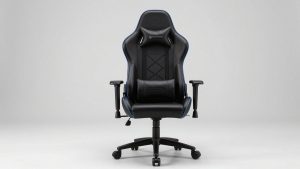
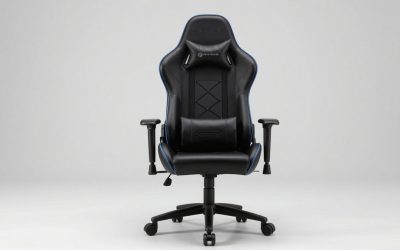
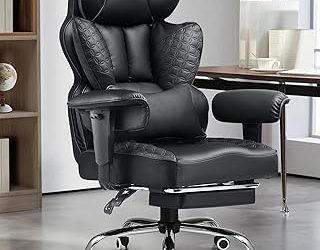
The gaming chair and the office chair sit in the same product photos, at overlapping tiers, both promising to save your back — and they are built around genuinely different ideas of what sitting is for. The gaming chair assumes your posture changes through the day: upright for competition, leaned back for cutscenes, slouched for a stream. The office chair assumes one posture, held well, for hours of work. Choosing between them is really choosing which assumption matches your life at the desk.
This comparison goes through the differences that matter — support, materials, adjustability, fit and longevity — and ends with direct picks for the situations readers actually describe. Neither category wins outright, and anyone who tells you otherwise is selling one of them.
At a Glance
| Feature | Gaming Chair | Office Chair |
|---|---|---|
| Backrest height | Tall, usually supports head and shoulders | Mid to tall, often ends at the shoulders |
| Recline range | Deep, built for leaning back and relaxing | Moderate, aimed at working postures |
| Lumbar support | Strap-on pillow or built-in curve on many models | Adjustable built-in systems are more common |
| Seat shape | Flat or bucket-style, often with side bolsters | Contoured waterfall seat, rarely bolstered |
| Upholstery | PU leather or fabric, bold colours | Mesh, fabric or leather, neutral colours |
| Armrests | Adjustable on most mid-range models | Adjustable on most mid-range models |
| Design priority | Multiple postures plus streaming-room looks | One upright posture, held precisely |
| Typical extras | Headrest pillow, footrest, massage pillows | Headrest less common, footrests rare |
Posture and Support
The core difference is how each chair supports your spine. A gaming chair gives you a tall, padded backrest with a lumbar pillow or a built-in curve, and it expects you to move: sit up, lean back, settle in. The support is broad and forgiving rather than precise, and for players whose sessions swing between intense and relaxed, that breadth feels natural.
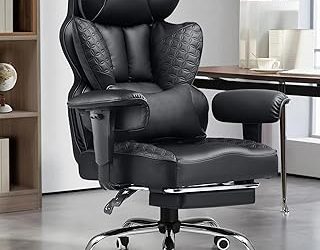
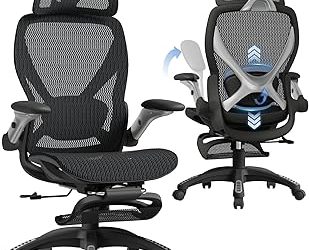
An office chair, particularly an ergonomic one, supports a narrower brief more deeply. Its lumbar system usually adjusts in height and sometimes in pressure, the backrest flexes with your movement, and the whole geometry assumes an upright working posture maintained for hours. If your desk time is mostly typing with a fixed posture, that precision is worth more than the gaming chair’s range. If your posture changes every twenty minutes, the office chair’s discipline can start to feel like a constraint.
Materials and Heat
Gaming chairs are usually upholstered in PU leather or fabric over foam. PU leather looks sharp and wipes clean, but it traps heat against your back and legs, and lower-grade versions can crack or peel after a few years of daily use. Fabric versions breathe better and age more gracefully, though they absorb spills.
Office chairs are where mesh lives. A mesh back moves air constantly, which is why mesh chairs dominate warm offices and long workdays; the trade-off is a firmer, more suspended feel that some people love and others never get used to. Office chairs also appear in fabric and genuine leather at higher tiers. For a hot room and long sessions, the typical office chair’s materials simply handle heat better than the typical gaming chair’s.
Adjustability
Both categories adjust height and offer some recline, so the differences are in the details. Gaming chairs tend to offer the deeper recline, often with a lock at any angle, plus headrest and lumbar pillows you position by hand. Armrests adjust in one to four directions depending on the tier, much like office chairs.
Ergonomic office chairs answer with finer tools: seat depth adjustment, lumbar height and pressure controls, backrest tension tuned to your weight, and sometimes a forward tilt for perching at a high desk. None of these sound dramatic, but seat depth alone solves the too-deep-seat problem that gaming chairs usually leave to a cushion. Count the adjustments you will genuinely use weekly; that count, not the brochure total, decides which chair is more adjustable for you.
Desk Fit and Looks
Physically, gaming chairs are larger. The tall back, wide base and deep recline need floor space and rear clearance, and the bold colours and racing logos are designed to be seen — an asset for streamers and anyone building a themed setup, a liability in a shared living room or a client-facing home office. Office chairs are visually quieter and often slightly smaller in footprint, which is why they disappear into mixed-use rooms more easily.
Measure before you romanticise. A gaming chair that cannot recline without hitting the bed behind it, or whose armrests will not slide under the desk, loses its main advantages in practice. The office chair’s plainer look is sometimes the price of a chair that actually fits the room it lives in.
Longevity in General Terms
Both categories contain chairs that last a decade and chairs that disappoint within two years, so construction matters more than category. Steel frames, quality gas lifts, metal bases and dense moulded foam age well in either style. The predictable weak points differ, though: gaming chairs tend to fail cosmetically first, with PU leather peeling and foam flattening, while mesh office chairs more often fail mechanically, with tension mechanisms and arm pads wearing. Warranty length on the frame and mechanism is the most honest longevity signal either category offers, and it is worth comparing directly when you are torn between two specific models.
The Middle Ground: Ergonomic and Hybrid Designs
The categories are also bleeding into each other, which is worth knowing before you treat this as a binary choice. Several gaming brands now sell chairs with mesh backs, internal adjustable lumbar and subdued styling that would pass unnoticed in an office, while office-chair makers sell gaming editions of their ergonomic models with bolder colours and play-focused tweaks. These hybrids exist because the underlying truth is simple: support quality and sitting pattern matter more than the tribe a chair belongs to.
If you find a chair that fits your body, matches your posture habits and suits your room, its label is the least important thing about it. Use the categories in this article as a map of design priorities, not as teams to join. A mesh-backed gaming chair and a gaming edition of an office chair can be closer to each other than either is to the extremes of its own category.
Which Should You Choose?
You Are Buying One Chair for a Mixed Household Desk
Choose by the dominant use, and let the second use compromise. If the desk is mostly homework and work with gaming at weekends, the office chair’s neutrality and finer adjustments will please more people more of the time. If the desk is a gaming station that occasionally hosts work, the gaming chair’s recline and presence win. Households that fight over one chair rarely fight about ergonomics; they fight about who changed the settings, which both categories handle equally badly.
You Game for Hours and Lean Back a Lot
Choose the gaming chair. Your sitting pattern — upright for matches, reclined for everything between — is exactly what its deep recline, tall backrest and headrest are built around. An office chair will support your work posture beautifully and then feel oddly upright and formal every time you want to slouch into a story game or a film.
You Work All Day and Game in the Evening
Choose the ergonomic office chair, in mesh if your room runs warm. The bulk of your sitting is one upright posture held for hours, and that is the office chair’s home ground: finer lumbar adjustment, seat depth control and constant airflow. Your evening gaming will still be perfectly comfortable; you simply give up the deepest recline and the racing look.
You Stream or Record in Your Room
Choose the gaming chair, provided it fits your body. On camera the chair is part of the set, and gaming chairs are designed to read well on a stream in a way office chairs deliberately are not. Run the same measurement checks you would for any chair, because you will still be sitting in it for the whole broadcast, long after the thumbnail is taken.
Your Room Is Small or Shared
Choose the office chair, or a compact gaming model measured carefully against the space. In a tight or shared room, the gaming chair’s size and styling dominate the floor plan and the eye. A neutral office chair keeps the room flexible, and nobody has ever regretted a chair that rolls quietly out of the way.
Common Mistakes
- Treating the categories as good versus bad, instead of matching the chair’s design brief to your sitting pattern.
- Buying a gaming chair for an eight-hour workday without checking whether its lumbar support adjusts at all.
- Buying a mesh office chair for a recline-heavy gaming habit and wondering why leaning back feels unsatisfying.
- Ignoring the room: footprint, recline clearance and how the chair looks in a shared space.
- Comparing a premium model from one category against a budget model from the other and calling it a category verdict.
Frequently Asked Questions
Is a gaming chair bad for your back compared with an office chair?
Not inherently. A well-fitted gaming chair with the lumbar support positioned correctly can support your back through a long session. An ergonomic office chair usually offers finer lumbar adjustment, which helps people who hold one posture for hours. A badly fitted chair from either category is the real problem.
Can I use an office chair for gaming?
Yes, and many players do. An office chair with good height adjustment and a comfortable recline handles gaming perfectly well; you give up the very deep recline, the tall headrest and the gaming styling. If your chair already fits you and supports your workday, there is no performance reason to replace it for gaming alone.
Which lasts longer, a gaming chair or an office chair?
Construction decides, not category. Steel frames, quality lifts and dense foam last in both styles. Gaming chairs tend to show cosmetic wear first, especially PU leather surfaces, while office chairs more often wear in their mechanisms and arm pads. Compare the frame and mechanism warranty on the specific models you are choosing between.
Why do gaming chairs look like racing seats?
The shape descends from motorsport bucket seats, adopted because the tall back, bolsters and harness-style styling photographed well and signalled performance to players. The look is heritage and marketing more than ergonomics, which is why some of the most supportive gaming chairs — and nearly all ergonomic office chairs — have moved away from the full racing costume.
FAQ
Is a gaming chair bad for your back compared with an office chair?
Can I use an office chair for gaming?
Which lasts longer, a gaming chair or an office chair?
Why do gaming chairs look like racing seats?
More from Amazon
Programs that pair well with the guide above. Offers and eligibility are set by Amazon and may change.
Free shipping on eligible items, Prime Video and more. Eligible new members can start with a free trial.
Start a Prime free trialAd-free music streaming. Eligible new subscribers can start with a free trial.
Try Music Unlimited freeA Prime membership for ages 18-24 with a trial period. Eligibility is set by Amazon.
See Prime for Young AdultsAudiobooks and podcasts to listen to on the go. Eligible new members can start with a free trial.
Try Audible freeAs an Amazon Associate we earn from qualifying purchases.