Key takeaways
- Sharper detail than 1080p without the CPU load of full 4K.
- Better cropping headroom for streamers who reframe on the fly.
- Privacy shutters and plug-and-play setup are now standard.
- Solid low-light correction on mid-tier and premium models.
What's inside
If your face looks soft and washed out on video calls, a 1440p webcam is the single easiest upgrade you can make. Sitting between mainstream 1080p cameras and pricey 4K units, the QHD tier hits a sweet spot: noticeably sharper detail, cleaner low-light handling, and enough resolution headroom for streamers who crop or zoom, all without hammering your USB bandwidth or CPU the way 4K sometimes does.
We spent time with the current crop of QHD-capable cameras to see how they handle real desks, mixed lighting, and back-to-back meetings. This review breaks down what matters, where these cameras shine, and which trade-offs you should accept before you buy.
As an Amazon Associate we earn from qualifying purchases at no extra cost to you. Product prices and availability are accurate as of the date shown and are subject to change.





🎮 Get More From Your Setup — Free
Prime Gaming gives you free PC games every month, in-game loot, and a free Twitch channel sub — plus fast free shipping on all the gear above. New members get a 30-day free trial.
Watch: 1440p Webcam: Review & Buyer’s Guide — Video Review
Design & Build
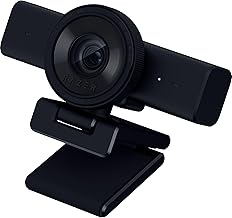
The physical footprint of a 1440p webcam has shrunk dramatically. The Razer Kiyo V2 X, which genuinely records 1440p at 60fps, keeps a compact clip that grips both thin monitors and thicker all-in-ones without wobble. Cameras like the EMEET NOVA and AOC 4K unit lean toward a slightly heavier body to house their larger sensors, which actually helps stability. Nearly every model here now ships with a physical privacy shutter, a small but meaningful detail that beats sliding a sticky note over the lens. Cable length and connector type matter too, and the AOC bundling a USB-C to USB-A adapter removes a common compatibility headache.
Performance
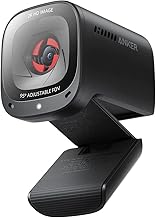
Resolution is only half the story. The Razer Kiyo V2 X earns its keep with AI-powered auto-framing that keeps you centered as you shift in your seat, plus an ultrawide lens that suits two-person shots. The EMEET NOVA’s PDAF autofocus locks quickly and its auto light correction rescues dim rooms, while the Anker PowerConf C200 pairs 2K capture with genuinely capable 360-degree microphones that make it a strong meeting camera. Budget QHD options such as the generic 2K plug-and-play cameras deliver a clean 1440p image but lean harder on their software correction, so expect more noise once the sun goes down. Across the board, built-in mics are fine for calls but no substitute for a dedicated microphone if you stream.
Pros & Cons
- Sharper detail than 1080p without the CPU load of full 4K.
- Better cropping headroom for streamers who reframe on the fly.
- Privacy shutters and plug-and-play setup are now standard.
- Solid low-light correction on mid-tier and premium models.
- Built-in microphones remain average at best.
- True 1440p60 is still limited to a handful of models.
- Higher-end sensors command a real price premium.
Alternatives to Consider
If your calls happen in a bright room and you value trustworthy color over resolution, the Logitech Brio 101 delivers reliable 1080p with auto light correction at a friendlier price. On the other end, the AOC 4K and EMEET NOVA 4K cameras give you extra resolution for future-proofing if your machine can handle the throughput. For conference rooms where audio pickup matters most, the Anker PowerConf C200 is arguably the smarter buy than a pure video-focused unit.
Frequently Asked Questions
Is a 1440p webcam worth it over 1080p?
Yes, if you appear on camera often. The extra detail is visible on modern monitors, and the cropping flexibility helps streamers and presenters far more than the modest price difference suggests.
Will 1440p slow down my computer?
Less than 4K. QHD strikes a balance that most recent laptops and desktops handle comfortably in Zoom, Teams, and OBS without dropped frames.
Do these cameras work on both Windows and Mac?
Nearly all are UVC plug-and-play, so they work across Windows, macOS, and popular apps like Zoom, Skype, and FaceTime without extra drivers.
Do I still need a separate microphone?
For calls, the built-in mics are adequate. For streaming or podcasting, a dedicated USB or XLR microphone will noticeably outperform any webcam mic.
Verdict
The 1440p tier is where video quality and practicality finally meet. The Razer Kiyo V2 X is the standout for streamers thanks to true 60fps and auto-framing, the EMEET NOVA is the best all-rounder for sharp meeting video, and the Anker PowerConf C200 wins if audio coverage is your priority. Pick based on whether you value frame rate, image fidelity, or sound, and any of them will make your on-camera presence look dramatically more professional.