Key takeaways
- Pro: Unmatched 4K and high-refresh gaming performance.
- Pro: 32GB of GDDR7 excels at content creation and AI workloads.
- Pro: Premium coolers keep temperatures and noise impressively low.
- Pro: DLSS 4 support extends performance in supported titles.
- Con: The price is extremely high and varies widely by model.
- Con: The cards are physically massive and demand a powerful PSU.
The NVIDIA GeForce RTX 5090 sits at the absolute peak of consumer graphics, and its price reflects that halo status. With 32GB of GDDR7 memory and Blackwell architecture, it’s built for 4K gaming at high refresh rates, serious content creation, and AI workloads, but the cost varies significantly between board partners and cooler designs.
We compared the leading RTX 5090 models to explain where your money goes, from GIGABYTE’s WINDFORCE cards to the ZOTAC AMP Extreme and even an external GPU box, so you can judge whether the premium is justified.
Our top picks
 GIGABYTE GeForce RTX 5090 Gaming OC 32G
- NVIDIA Blackwell architecture and DLSS 4
- Powered by GeForce RTX 5090
- Integrated with 32GB GDDR7 512bit memory interface
 MSI GeForce RTX 5090 32G GAMING TRIO
- The 5090 employs top-tier Blackwell architecture with extreme…
- The GAMING TRIO OC combines a factory-overclocked GPU…
- STORMFORCE fan technology features seven claw-textured fan blades,…
| Product | Key specs | |
|---|---|---|
| GIGABYTE GeForce RTX 5090 Gaming OC 32G | NVIDIA Blackwell architecture and DLSS 4 Powered by GeForce RTX 5090 Integrated with 32GB GDDR7 512bit memory interface | Check price |
 GIGABYTE Windforce GeForce RTX 5090 OC 32GB | Check price | |
| MSI GeForce RTX 5090 32G GAMING TRIO | The 5090 employs top-tier Blackwell architecture with extreme… The GAMING TRIO OC combines a factory-overclocked GPU… STORMFORCE fan technology features seven claw-textured fan blades,… | Check price |
 ZOTAC Gaming GeForce RTX 5090 Solid OC | Powered by the NVIDIA Blackwell architecture and DLSS… 32GB GDDR7, 512-bit, 28 Gbps, PCIE 5.0 IceStorm 3.0 Advanced Cooling, 3x 100mm BladeLink fans,… | Check price |
 ZOTAC Gaming GeForce RTX 5090 AMP Extreme | Powered by the NVIDIA Blackwell architecture and DLSS… 32GB GDDR7, 512-bit, 28 Gbps, PCIE 5.0 IceStorm 3.0 Advanced Cooling, 3x 100mm BladeLink fans,… | Check price |
 GIGABYTE AORUS RTX 5090 AI Box Graphics | Game Changing Performance - Powered by the GeForce… WATERFORCE All-In-One Cooling System - A large copper… Thunderbolt 5 & USB4 Plug and Play -… | Check price |
 GeForce RTX 5090 OC Graphics Card | *** ATTENTION BUYERS: EXPORTING this item outside the… [Blackwell Architecture: The Pinnacle of Power] Unleash the… [Next-Gen Speed and Memory] Dominate any title with… | Check price |
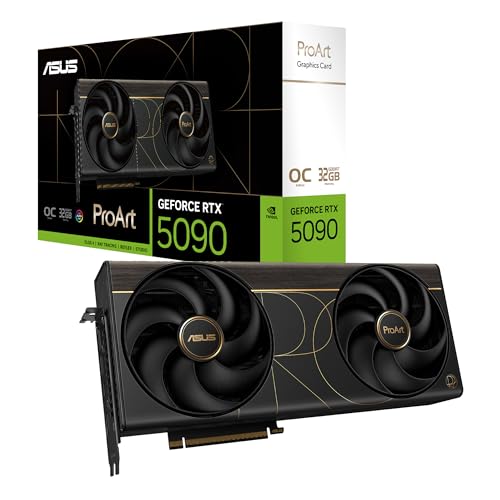 ASUS ProArt NVIDIA GeForce RTX 5090 32GB | Powered by the NVIDIA Blackwell architecture and DLSS… OC mode: 2512 MHz (OC mode)/ 2482 MHz… SFF-Ready 2.5-slot footprint balances compatibility with flagship GeForce… | Check price |
As an Amazon Associate we earn from qualifying purchases at no extra cost to you.
🎮 Get More From Your Setup — Free
Prime Gaming gives you free PC games every month, in-game loot, and a free Twitch channel sub — plus fast free shipping on all the gear above. New members get a 30-day free trial.
Watch: Price Rtx 5090: Review & Buyer’s Guide — Video Review
Design & Build
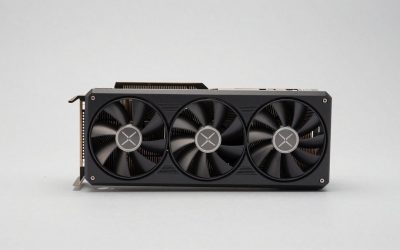
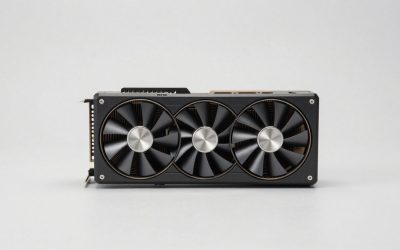
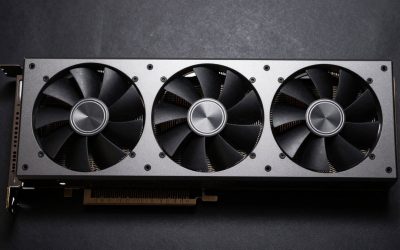
RTX 5090 cards are large, and their cooling solutions drive much of the price and size differences. GIGABYTE’s Gaming OC and AORUS Stealth ICE models use the WINDFORCE system with substantial heatsinks and a bundled VGA holder to combat sag. The ASUS TUF Gaming card leans on military-grade components, a vapor chamber, and protective PCB coating for durability, while the MSI SUPRIM SOC and ZOTAC AMP Extreme push factory overclocks and elaborate cooling. The AORUS AI Box is a different beast entirely, an external Thunderbolt 5 GPU enclosure with its own radiator.
Performance
All these cards share the same core silicon, so raw gaming performance is broadly similar, with factory-overclocked models like the MSI SUPRIM SOC and ZOTAC AMP Extreme edging ahead. The 32GB of GDDR7 and 512-bit bus make the 5090 exceptional for 4K gaming, DLSS 4, and memory-hungry creative and AI tasks. The real differentiators are cooling efficiency, noise levels, and clock stability under sustained load rather than headline frame rates.
Pros & Cons
- Pro: Unmatched 4K and high-refresh gaming performance.
- Pro: 32GB of GDDR7 excels at content creation and AI workloads.
- Pro: Premium coolers keep temperatures and noise impressively low.
- Pro: DLSS 4 support extends performance in supported titles.
- Con: The price is extremely high and varies widely by model.
- Con: The cards are physically massive and demand a powerful PSU.
Alternatives to Consider
If you want the quietest, most stable experience, the factory-overclocked MSI SUPRIM SOC or ZOTAC AMP Extreme justify their premium with superior cooling. Buyers focused on durability might prefer the ASUS TUF Gaming card, while those prioritizing value can look at GIGABYTE’s Gaming OC. Laptop and small-form-factor users should consider the AORUS AI Box external GPU, which brings 5090 power to systems without a traditional slot.
Frequently Asked Questions
Is the RTX 5090 worth its high price?
For 4K high-refresh gaming, professional content creation, and AI work, it delivers class-leading performance. For 1440p gaming, a lower-tier card offers better value for most players.
Do the different 5090 models perform very differently?
Gaming performance is similar since they share the same GPU. Factory-overclocked cards run slightly faster, but cooling quality, noise, and build are the more meaningful differences.
What power supply do I need for an RTX 5090?
A high-wattage, quality PSU is essential given the card’s power draw. Check each model’s recommended requirements and ensure your unit has the correct connectors before buying.
What is the AORUS AI Box?
It’s an external GPU enclosure housing an RTX 5090, connecting via Thunderbolt 5. It lets laptops and compact systems tap into desktop-class graphics power without an internal slot.
Verdict
For most enthusiasts, GIGABYTE’s RTX 5090 Gaming OC offers a strong balance of cooling and value, while the MSI SUPRIM SOC is the pick for those wanting the quietest, highest-clocked experience money can buy.