Key takeaways
- Blackwell efficiency: Real generational gains over older cards.
- DLSS 4 support: Big frame-rate boosts in supported games.
- Fast GDDR7: Modern memory across the RTX 50-series.
- Range of tiers: From budget RTX 5060 to capable RTX 5070.
What's inside
NVIDIA’s new RTX cards, built on the Blackwell architecture, bring meaningful performance gains, fast GDDR7 memory, and DLSS 4 to gamers at every budget. If you’ve been holding onto an older graphics card, this generation offers a compelling reason to upgrade, with strong options from entry-level 1080p cards up to capable 1440p performers.
In this review and buyer’s guide we look at a spread of new RTX cards from GIGABYTE, ASUS, and PNY, ranging from the RTX 5060 up to the RTX 5070. We’ll cover build quality, performance, and value so you can find the right new card for your rig and resolution.
As an Amazon Associate we earn from qualifying purchases at no extra cost to you. Product prices and availability are accurate as of the date shown and are subject to change.


🎮 Get More From Your Setup — Free
Prime Gaming gives you free PC games every month, in-game loot, and a free Twitch channel sub — plus fast free shipping on all the gear above. New members get a 30-day free trial.
Watch: New Rtx Cards: Review & Buyer’s Guide — Video Review
Design & Build
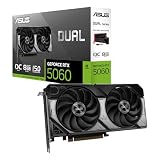
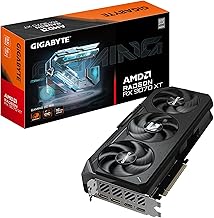
These new RTX cards come in a variety of cooler designs to suit different cases and cooling needs. The GIGABYTE Gaming OC and WINDFORCE models use multi-fan setups with sturdy heatsinks that keep temperatures and noise low, while the more compact WINDFORCE 8G cards fit comfortably in mid-tower builds. Build quality is solid across the range, with reinforced backplates and quality fans.
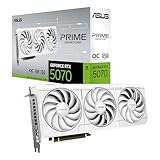
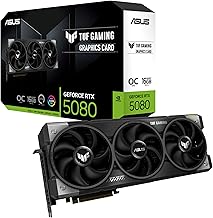
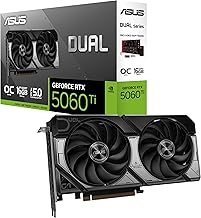
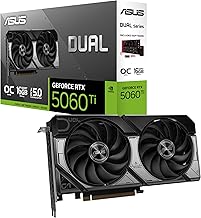
The ASUS Dual RTX 5060 Ti brings a clean dual-fan design with a 0dB quiet mode, and the PNY RTX 5060 Ti Epic-X ARGB adds triple-fan cooling with addressable lighting for builders who want some flair. Even the older-generation ASUS Dual RTX 3050 included here offers a compact, efficient two-slot design for very budget-conscious or small builds. Match the card’s size and cooling to your case and aesthetic.
Performance
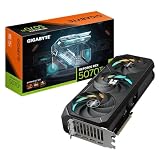
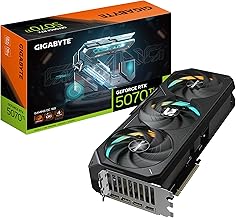
Performance scales across the lineup. The GIGABYTE RTX 5070 Gaming OC, with 12GB of GDDR7 on a 192-bit bus, is the strongest performer here, delivering smooth high-refresh 1440p gaming and benefiting significantly from DLSS 4 in supported titles. It’s a great choice for players who want to game at higher resolutions with room to spare.
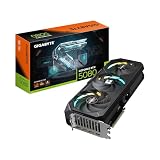
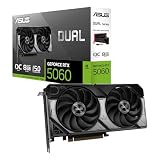
The RTX 5060 Ti cards, with 16GB of GDDR7, sit in a sweet spot for 1080p and entry 1440p gaming, and their generous VRAM helps with modern high-texture games. The RTX 5060 8G models are excellent value for mainstream 1080p gaming, handling current titles at high settings with DLSS 4 support. The included RTX 3050 is a budget or small-form-factor option for lighter gaming and older titles. Across the board, DLSS 4 meaningfully extends performance headroom.
Pros & Cons
- Blackwell efficiency: Real generational gains over older cards.
- DLSS 4 support: Big frame-rate boosts in supported games.
- Fast GDDR7: Modern memory across the RTX 50-series.
- Range of tiers: From budget RTX 5060 to capable RTX 5070.
- 8GB on some models: The RTX 5060 8G can feel tight at higher settings.
- Older card included: The RTX 3050 lags the new generation.
- Size varies: Triple-fan cards need more case clearance.
Alternatives to Consider
Pick based on your resolution and budget. If you want the best 1440p performance in this group, the GIGABYTE RTX 5070 Gaming OC is the standout. For 1080p and entry 1440p with future-proof VRAM, the RTX 5060 Ti 16GB cards are ideal. Mainstream 1080p gamers on a budget will love the value of the RTX 5060 8G models. The RTX 3050 remains an option only for very light gaming or compact builds; most buyers will be happier with a new RTX 50-series card. Consider stepping up a tier if you plan to keep the card for several years.
Frequently Asked Questions
Are the new RTX cards worth upgrading to?
If you’re on an older GPU, yes. The RTX 50-series brings solid performance and efficiency improvements plus DLSS 4, which boosts frame rates significantly in supported games.
Is 8GB of VRAM enough?
For 1080p gaming, 8GB works for most current titles, though a few demanding games benefit from more. The 16GB RTX 5060 Ti cards offer more headroom for higher settings and future games.
Which new RTX card is best for 1440p?
The RTX 5070 is the best 1440p option in this lineup, delivering smooth high-refresh performance at high settings, especially with DLSS 4 enabled.
Should I still consider the RTX 3050?
Only for very light gaming or compact, budget builds. For modern gaming, a new RTX 50-series card offers much better performance and features.
Verdict
The new RTX cards deliver strong value across the board. For 1440p gaming, the GIGABYTE RTX 5070 Gaming OC leads, while the RTX 5060 Ti 16GB cards are excellent for 1080p with future-proof VRAM. Budget-focused 1080p gamers get great value from the RTX 5060 8G models. Match the card to your monitor and games, and this generation’s Blackwell power plus DLSS 4 will keep you gaming smoothly.