Key takeaways
- Outstanding 4K and high-refresh gaming with DLSS 4 multi-frame generation.
- Modern connectivity via PCIe 5.0 and HDMI/DP 2.1 across the lineup.
- Strong cooling options from compact SFF cards to massive quad-fan designs.
- 16GB GDDR7 handles current games at high settings comfortably.
What's inside
If you have been shopping for an RTX 5080, you have almost certainly noticed the sticker shock. Between strong demand, tariffs, and tight GDDR7 supply, the GeForce RTX 5080 has crept well above its launch pricing, and shoppers are rightly asking whether it is still worth buying or if they should wait for the market to settle.
This review looks at the RTX 5080 in the context of its rising price, evaluates what you actually get for the money across the most common board-partner cards, and helps you decide whether to buy now or hold out.
As an Amazon Associate we earn from qualifying purchases at no extra cost to you. Product prices and availability are accurate as of the date shown and are subject to change.




🎮 Get More From Your Setup — Free
Prime Gaming gives you free PC games every month, in-game loot, and a free Twitch channel sub — plus fast free shipping on all the gear above. New members get a 30-day free trial.
Watch: Rtx 5080 Price Increase: Review & Buyer’s Guide — Video Review
Design & Build
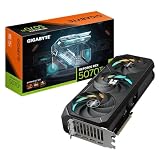
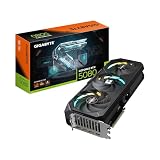
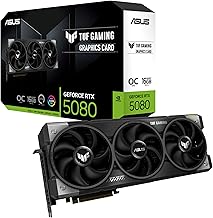
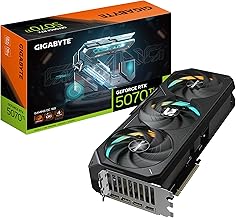
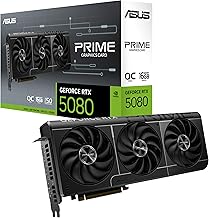
The RTX 5080 is built on NVIDIA’s Blackwell architecture with 16GB of fast GDDR7 on a 256-bit bus, and board partners have taken very different approaches to cooling and size. The ASUS ROG Astral is a hulking 3.8-slot, four-fan design with a vapor chamber aimed at the lowest possible temperatures, while the ASUS Prime and its SFF-ready 2.5-slot profile targets small-form-factor builders. In between sit the GIGABYTE Gaming OC with WINDFORCE cooling, the ZOTAC Solid Core OC with IceStorm 3.0, and the RGB-heavy PNY Epic-X. Build quality across the lineup is strong; the real differences are physical dimensions, noise, and how much RGB you want.
Performance
Raw performance is not in question. The RTX 5080 delivers excellent 4K frame rates, and with DLSS 4 and multi-frame generation it pushes high-refresh gaming into territory that only the RTX 5090 beats. The 16GB frame buffer is comfortable for today’s titles, and PCIe 5.0 plus HDMI/DP 2.1 outputs future-proof your connectivity. Factory-overclocked cards like the GIGABYTE Gaming OC and ZOTAC Solid Core OC squeeze out a few extra percent, though the gains are modest. The Founders Edition remains the most compact reference option when you can find it at MSRP. The tension is entirely about value: the card is fast, but the price increase erodes the price-to-performance argument.
Pros & Cons
- Outstanding 4K and high-refresh gaming with DLSS 4 multi-frame generation.
- Modern connectivity via PCIe 5.0 and HDMI/DP 2.1 across the lineup.
- Strong cooling options from compact SFF cards to massive quad-fan designs.
- 16GB GDDR7 handles current games at high settings comfortably.
- Inflated street pricing that undercuts the value proposition.
- Only 16GB of VRAM, which some buyers wanted to see grow this generation.
Alternatives to Consider
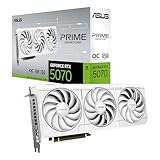
If the RTX 5080 premium feels unjustified, the RTX 5070 Ti offers a large share of the performance for meaningfully less, and stepping down further to an RTX 5070 keeps 1440p gaming smooth on a tighter budget. Those chasing the absolute top can look to the RTX 5090, but that card carries an even steeper markup. For SFF builders specifically, the ASUS Prime 5080 or Founders Edition are the cards to watch. Patient buyers may simply wait a quarter or two for supply to normalize and prices to ease.
Frequently Asked Questions
Why has the RTX 5080 gone up in price?
A combination of high demand, constrained GDDR7 and wafer supply, tariff pressure, and limited board-partner allocation has pushed street prices above MSRP.
Should I buy an RTX 5080 now or wait?
If you need a card today for 4K gaming, it is a superb performer. If you can wait, pricing tends to soften as supply catches up several months after launch.
Is 16GB of VRAM enough for 4K?
For current games, yes. A few heavily modded or texture-intensive titles approach the limit, but 16GB remains comfortable for the card’s expected lifespan.
Which RTX 5080 model is the best value?
The non-flagship OC cards like the GIGABYTE Gaming OC or ZOTAC Solid Core OC usually offer the best balance of cooling and price, avoiding the flagship Astral premium.
Verdict
The RTX 5080 is one of the fastest gaming GPUs you can buy, and DLSS 4 makes it feel even quicker. The problem is not the silicon, it is the price increase that has taken the shine off its value. If your budget stretches to a fair deal, buy the best-cooled card you can find near MSRP. If it does not, the RTX 5070 Ti is the smarter money right now, and patient shoppers may be rewarded by waiting for prices to normalize.