Our Top Picks
 Focusrite Scarlett Solo 3rd Gen USB-C Audio InterfacePack of 11.71 x 5.65 x 3.77 inches0.77 poundsCheck on Amazon
 Focusrite Scarlett Solo 4th Gen USB-C Audio Interface1.79 x 5.63 x 3.78 inches0.9 poundsCheck on Amazon
 Focusrite Scarlett 2i2 4th Gen USB-C Audio Interface7.09 x 3.9 x 1.79 inches1.3 poundsCheck on Amazon
A cap of 700 dollars sounds large for an audio interface, and in this category it is. The models in the shortlist sit well inside that limit, so the real question is not how to stretch a budget but how many inputs, how much headroom, and what kind of workflow you actually need. A streamer who talks into one mic needs very different hardware from a songwriter tracking a guitar and vocal together.
That framing shapes this guide on the best audio interface under 700 dollars. Nine listings are compared, from single-input USB-C boxes to two-channel units with phantom power and loopback. Each verdict relies on what the title discloses: channel counts, bit depth, connector types, and software features. Think of it as a map for a home studio or gaming-streaming corner built in 2026, where one small box handles the microphone, headphones, and speakers.
Quick Picks
Focusrite Scarlett Solo 3rd Gen USB-C Audio Interface | 1 XLR Mic Preamp, 1 Hi-Z Instrument Input, 24-Bit/192kHz, 56dB Gain Range, Air Mode, macOS/Windows/iPadOS Compatible
One of the consumer electronics options compared in this guide.
View on Amazon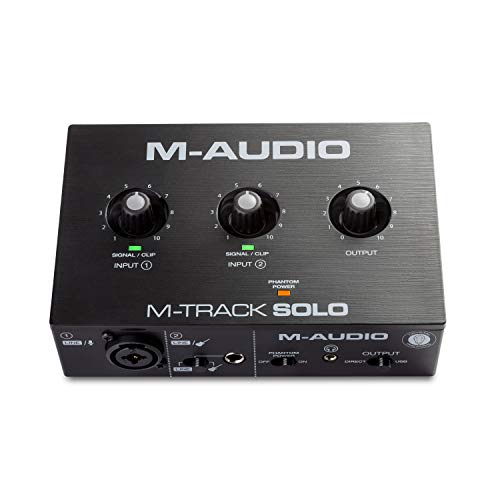
M-AUDIO M-Track Solo USB Audio Interface | XLR, Line and DI Inputs, Professional Software Suite for Recording, Streaming, and Podcasting
One of the consumer electronics options compared in this guide.
View on AmazonFocusrite Scarlett Solo 4th Gen USB-C Audio Interface | 1 XLR Mic Preamp, 1 Hi-Z Instrument Input, 24-Bit/192kHz, 120dB Dynamic Range, Air Modes, PC/Mac/iPad Compatible
One of the consumer electronics options compared in this guide.
View on AmazonFocusrite Scarlett 2i2 4th Gen USB-C Audio Interface | 2 Mic Preamps, 2 Hi-Z Instrument Inputs, 24-Bit/192kHz, 120dB Dynamic Range, Auto Gain, Clip Safe, Air Modes
One of the consumer electronics options compared in this guide.
View on Amazon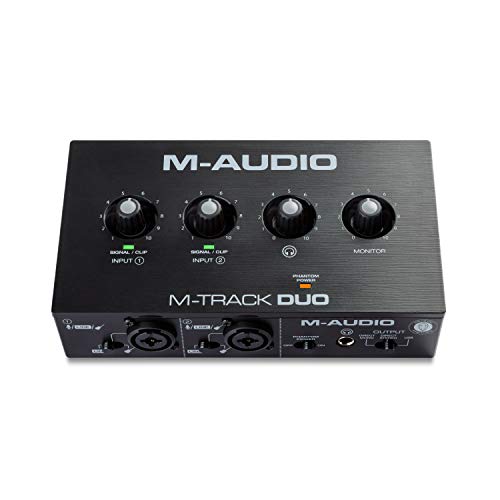
M-AUDIO M-Track Duo USB Audio Interface | Dual XLR, Line and DI Inputs, Professional Software Suite for Recording, Streaming, and Podcasting
One of the consumer electronics options compared in this guide.
View on Amazon
PIYONE Audio Interface, 2X2 24-bit/192kHz Interface for High-Fidelity, Studio Quality PC/Mac/iOS Recording, XLR/TRS Combo Input, Monitor Mix/Loopback Function, One-Cable Setup(Alloy Red)
One of the consumer electronics options compared in this guide.
View on Amazon
USB C Audio Interface for Recording Music, Streaming, Podcasting, Silver | XLR/6.35mm jacks, line In/hi-z switching, 3 monitoring modes, 24bit/48kHz, 48V phantom power, 2-channel, 3-color gain lights
One of the consumer electronics options compared in this guide.
View on Amazon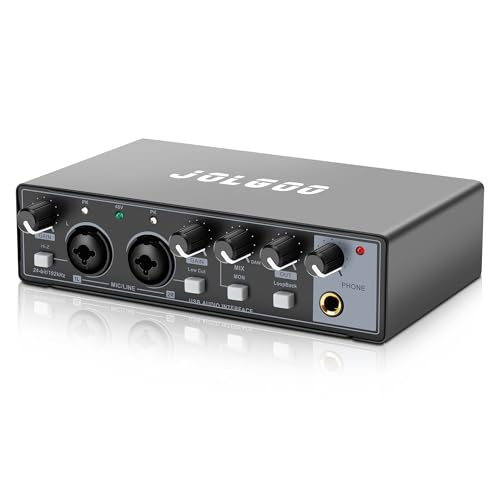
Jolgoo 2x2 USB Audio Interface, 24-Bit/192kHz Phantom Power Recording Card | 24-Bit/192kHz Studio Quality, +48V Phantom Power, Low Latency, for Recording and Podcasting
One of the consumer electronics options compared in this guide.
View on Amazon
BOMGE mini 2 Channel USB Audio Interface for Recording, Streaming and Podcasting, with XLR/48V Phantom Power,Studio Quality Audio Interface for Guitarist, Vocalist, Podcaster or Producer
One of the consumer electronics options compared in this guide.
View on Amazon| Product | Best for | Key spec from the title |
|---|---|---|
| Focusrite Scarlett Solo 3rd Gen | Solo vocalist or streamer | 1 XLR mic preamp, 56dB gain, Air mode |
| M-Audio M-Track Solo | Podcasting with a software bundle | XLR, line, and DI inputs |
| Focusrite Scarlett Solo 4th Gen | Updated single-mic setup | 120dB dynamic range, Air modes |
| Focusrite Scarlett 2i2 4th Gen | Two sources at once | 2 mic preamps, Auto Gain, Clip Safe |
| M-Audio M-Track Duo | Duets and guest interviews | Dual XLR, line, and DI inputs |
| PIYONE 2×2 | Streaming with loopback | XLR/TRS combo, monitor mix, loopback |
| USB-C Silver Interface | Simple guitar and vocal tracking | Line/Hi-Z switching, 3 monitoring modes |
| Jolgoo 2×2 | Condenser mic recording | +48V phantom power, 24-bit/192kHz |
| BOMGE Mini 2-Channel | Compact travel rig | XLR with 48V, guitar input |
How to Choose
Count inputs against real use
One input handles a single vocalist, streamer, or voice-over artist. Two inputs are the threshold for recording a guitar and a vocal together, interviewing a guest, or capturing a stereo keyboard. Buying a single-input box and outgrowing it is the most common regret, so pick two channels if you might add a second source within a year.
Preamps, phantom power, and Hi-Z
Condenser microphones need +48V phantom power, while dynamic mics often need generous clean gain, around 50dB or more. A Hi-Z or DI input is built for a guitar or bass plugged in directly, avoiding the thin sound you get from a regular line input. Combo jacks accept both XLR and 1/4 inch plugs, which keeps options open.
Converter specs and latency
Resolution of 24-bit/192kHz is the common ceiling; 24-bit/48kHz is more than enough for streaming, podcasting, and most music. Latency matters while monitoring yourself, so look for direct monitoring or a monitor mix control that routes the input to headphones before it reaches the computer. Dynamic range figures near 120dB indicate low noise in the converter.
Connection, software, and what to ignore
USB-C is standard now, but check that the cable and port match, and confirm Mac, Windows, or iOS support if you record on a tablet. Bundled software suites are useful for beginners, though you can also work with free recording programs. Budget models cut corners on metal construction, driver updates, and preamp noise. Ignore sample-rate headlines beyond 96kHz, since they rarely change what listeners hear, and do not pay extra for unused outputs.
The 9 Best Options
Focusrite Scarlett Solo 3rd Gen
The Solo 3rd Gen is a USB-C interface with one XLR mic preamp, one Hi-Z instrument input, 24-bit/192kHz conversion, a 56dB gain range, and an Air mode that adds brightness to voices. It suits singers, streamers, and acoustic guitarists who record one source at a time.
- Strength: a 56dB gain range gives room to drive many dynamic mics.
- Strength: separate mic and instrument inputs let you switch sources without rewiring.
- Trade-off: only one mic input, so it cannot record two voices at once.
Skip it if you plan to track duets or want a second XLR channel. It is happiest as the hub of a one-person desk, where the mic, headphones, and monitors all belong to the same person.
M-Audio M-Track Solo
The M-Track Solo provides XLR, line, and DI inputs, and the listing highlights a professional software suite for recording, streaming, and podcasting. It is for beginners who want hardware and software in one box.
- Strength: three input types cover microphones, keyboards, and guitars.
- Strength: the included software means you can record on day one.
- Trade-off: the title gives no bit depth, sample rate, or gain range, so check them before you buy.
Skip it if you want converter details listed up front. Newcomers who care more about getting started than about spec sheets are its natural audience.
Focusrite Scarlett Solo 4th Gen
This update keeps one XLR mic preamp and one Hi-Z input, listing 24-bit/192kHz, a 120dB dynamic range, and Air modes. It is aimed at creators who want a refreshed layout for a one-mic workflow.
- Strength: the 120dB dynamic range points to a low noise floor.
- Strength: Air modes, in the plural, offer more voicing options than the older version.
- Trade-off: still just one microphone input.
Skip it if you need to record a duo or want more than one XLR connection. Owners of the older Solo gain little unless the newer voicing options matter to them.
Focusrite Scarlett 2i2 4th Gen
The 2i2 has two mic preamps and two Hi-Z instrument inputs, with 24-bit/192kHz conversion, a 120dB dynamic range, Auto Gain, and Clip Safe. It is the most capable Focusrite model on the list for recording two sources at once.
- Strength: Auto Gain sets levels for you, helping beginners avoid distortion.
- Strength: Clip Safe guards against sudden peaks during takes.
- Trade-off: it is more interface than a one-mic streamer needs.
Skip it if you only ever record a single voice and want the smallest box, because the second channel is wasted on solo work. Songwriters and two-host shows will use every input.
M-Audio M-Track Duo
The Duo gives two channels with dual XLR, line, and DI inputs plus the same software suite as the Solo. It is a good match for podcasters hosting a guest and for songwriters tracking guitar and vocal.
- Strength: dual inputs serve interviews or two-person recordings.
- Strength: software for recording and streaming is included.
- Trade-off: the listing lacks gain, resolution, and dynamic range figures.
Skip it if you need published converter specs for comparison. Hosts who record conversations in the same room get the most from the paired inputs.
PIYONE 2×2
PIYONE offers a 2×2 interface with 24-bit/192kHz conversion, an XLR/TRS combo input, monitor mix, and loopback, and it supports PC, Mac, and iOS. It is for streamers who want game audio mixed into a broadcast.
- Strength: loopback routes computer audio back into your stream.
- Strength: iOS support helps mobile recording.
- Trade-off: it is a lesser-known brand, so long-term driver support is harder to judge.
Skip it if you prefer a name with an extensive support community, since tutorials and driver updates are easier to find for larger brands. Game streamers who need the loopback feature are the target.
USB-C Silver Interface
This unbranded silver interface lists XLR and 6.35mm jacks, line in and Hi-Z switching, three monitoring modes, and 24bit/48kHz. It suits guitarists and podcasters who want a straightforward box for home tracking.
- Strength: Hi-Z switching lets you move between mic, line, and guitar sources.
- Strength: three monitoring modes give flexibility when you listen back while tracking.
- Trade-off: 48kHz is the lowest sample rate in the group, though it is still adequate for most work.
Skip it if you want the headroom of a 192kHz converter or a recognizable brand name. For voice and guitar at home, though, the listed rate is rarely the limiting factor.
Jolgoo 2×2
The Jolgoo lists 24-bit/192kHz recording, +48V phantom power, and low latency in a 2×2 design. It is made for vocalists who record with a condenser mic and need clean monitoring.
- Strength: +48V phantom power supports condenser microphones.
- Strength: the 2×2 layout allows two inputs and two outputs.
- Trade-off: the title says little about gain range or build quality.
Skip it if you want a recognized name or detailed gain specs, because the listing mostly highlights phantom power and latency. Home vocalists with a condenser mic are the intended audience.
BOMGE Mini 2-Channel
The BOMGE is a mini two-channel USB interface with XLR and 48V phantom power, intended for recording, streaming, podcasting, and guitar. It targets people with limited desk space or a portable setup.
- Strength: the compact size suits a laptop bag or a crowded desk.
- Strength: XLR with 48V and a guitar input cover mics and instruments.
- Trade-off: the listing leaves out sample rate and bit depth.
Skip it if you need full-size knobs and a more rugged, studio-style build. It is better for sketching ideas on the go than for a permanent control-room desk.
Which One Fits Your Situation
You stream games and talk on one mic
The PIYONE 2×2 includes loopback and monitor mix for broadcasting. If you prefer a better-known brand, the Focusrite Scarlett Solo 4th Gen handles a single mic cleanly.
You record guitar and vocals together
The Focusrite Scarlett 2i2 4th Gen has two mic preamps and two Hi-Z inputs, which covers both sources at once. The M-Audio M-Track Duo is a software-bundled alternative.
You are a beginner who wants software included
The M-Audio M-Track Solo bundles a suite for recording, streaming, and podcasting, so there is nothing else to install before the first take.
You travel or have almost no desk space
The BOMGE Mini 2-Channel is the compact pick, and the USB-C Silver Interface offers a similar simple layout with Hi-Z switching.
Common Mistakes
- Buying a single-input interface and then needing a second input a few months later.
- Forgetting phantom power when pairing a condenser microphone with a box that lacks it.
- Plugging a guitar into a line input rather than a Hi-Z input and getting a thin tone.
- Chasing 192kHz headlines while ignoring gain, noise, and driver support.
- Skipping direct monitoring, which leaves you hearing a delayed copy of your own voice.
Related guides
- Aio Liquid Coolers For High Performance Gaming
- How To Overclock A Gpu Safely With Msi Afterburner
- Which Motherboards Support Rtx 4090 And Rtx 5090
Frequently Asked Questions
Do I need an audio interface for a USB microphone?
No. USB mics include their own converter, so they plug straight into a computer. An interface is for XLR microphones and instruments that need preamps, and it becomes worthwhile once you want to upgrade the mic later without replacing the whole chain.
What does Hi-Z mean?
Hi-Z, or high impedance, is an input designed for electric guitars and basses. It preserves the instrument’s full tone compared with a normal line input.
Is 192kHz better than 48kHz?
For most streaming, podcasting, and music, 48kHz is plenty. Higher rates demand more storage and rarely change what you hear.
How many channels do I need?
One channel suits solo voice work, and two channels cover guitar plus vocals or two speakers. Choose more only if you will record several sources at once, such as a drum kit or a band, which falls outside this list.
FAQ
Do I need an audio interface for a USB microphone?
What does Hi-Z mean?
Is 192kHz better than 48kHz?
How many channels do I need?
More from Amazon
Programs that pair well with the guide above. Offers and eligibility are set by Amazon and may change.
Free shipping on eligible items, Prime Video and more. Eligible new members can start with a free trial.
Start a Prime free trialAd-free music streaming. Eligible new subscribers can start with a free trial.
Try Music Unlimited freeA Prime membership for ages 18-24 with a trial period. Eligibility is set by Amazon.
See Prime for Young AdultsAudiobooks and podcasts to listen to on the go. Eligible new members can start with a free trial.
Try Audible freeAs an Amazon Associate we earn from qualifying purchases.