Key takeaways
- Switch type: tactile switches like browns give a bump for feedback without loud clicks, a favorite for typing-heavy work.
- Layout: a full-size or 96% layout keeps the number pad and arrow keys, while compact 75% boards save desk space.
- Connectivity: wired ensures zero latency, while Bluetooth and wireless boards reduce clutter and support multiple devices.
- Build quality: a gasket mount, hot-swappable switches, and a sturdy frame improve feel and longevity.
- Comfort features: N-key rollover, adjustable feet, and quiet switches matter more than RGB for all-day coding.
What's inside
Programmers spend hours a day at the keyboard, so the one you choose has an outsized effect on comfort and even productivity. Unlike gaming, where speed and macros dominate, coding rewards a keyboard that is comfortable for long sessions, has a satisfying and accurate typing feel, and offers a layout that keeps the keys you reach for constantly within easy range. A good board fades into the background; a bad one nags at your wrists all day.
Interestingly, many of the best programming keyboards come from the gaming world, where mechanical switches, solid builds, and customization are standard. We compared mechanical and membrane boards on switch feel, layout, and connectivity for coding. Here is how to choose, followed by five keyboards that make long coding sessions more comfortable in 2026.
As an Amazon Associate we earn from qualifying purchases at no extra cost to you. Product prices and availability are accurate as of the date shown and are subject to change.




⚡ Save on Your Next PC — Amazon Prime
Prime members get fast free shipping on the systems above, plus early access to Prime Day & Black Friday PC deals. New members get a 30-day free trial.
Watch: Best Keyboard for Programming — Video Review
How to Choose
- Switch type: tactile switches like browns give a bump for feedback without loud clicks, a favorite for typing-heavy work.
- Layout: a full-size or 96% layout keeps the number pad and arrow keys, while compact 75% boards save desk space.
- Connectivity: wired ensures zero latency, while Bluetooth and wireless boards reduce clutter and support multiple devices.
- Build quality: a gasket mount, hot-swappable switches, and a sturdy frame improve feel and longevity.
- Comfort features: N-key rollover, adjustable feet, and quiet switches matter more than RGB for all-day coding.
The Best Picks Reviewed
Keychron K4 96% Wireless Mechanical Keyboard
This 96% layout board keeps the number pad in a compact frame and offers Bluetooth or wired use with tactile brown switches and N-key rollover. Its Mac and Windows compatibility and space-saving layout make it a favorite among developers who value both function and desk space.
Keychron K3 V2 Low-Profile Wireless Keyboard
The K3 uses a slim low-profile design in a 75% layout with QMK support for deep customization. The thin profile is gentle on the wrists during marathon sessions, and the wireless convenience keeps a clean desk, ideal for minimalist coders.
Logitech G413 SE Full-Size Mechanical Keyboard
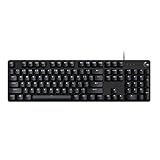
This full-size mechanical board offers tactile switches and a durable aluminum-alloy top plate at a sensible price. The no-nonsense design, complete number pad, and reliable Logitech build make it a dependable everyday workhorse for programmers.
VSDINSIDE K1 Pro Programmable Mechanical Keyboard
With full-key programmability, a knob, hot-swappable switches, and a gasket mount, the K1 Pro is built for customization. Developers who like to remap keys or set up shortcut layers will appreciate the flexibility and the satisfying, tunable typing feel.
Keychron K3 Version 2 QMK Low-Profile Keyboard
Another excellent low-profile option, this QMK-enabled 75% board balances portability with the deep remapping that power users love. The compact footprint and slim keys suit coders who move between a laptop and desk setup often.
Frequently Asked Questions
What switch type is best for programming?
Tactile switches such as browns are the popular choice for coding because they provide a noticeable bump for feedback without the loud click of blue switches. Quiet, tactile switches let you type accurately for hours without disturbing others.
Do I need a mechanical keyboard to code?
You do not need one, but most programmers prefer mechanical boards for their consistent feel, durability, and typing accuracy over long sessions. A quality membrane board can work fine, but mechanical switches tend to feel better the more you type.
Is a compact or full-size keyboard better for programming?
It depends on your workflow. Full-size and 96% boards keep the number pad handy for data entry and shortcuts, while compact 75% and 65% layouts save desk space and keep your mouse closer. Many coders prefer 96% as a middle ground.
Should a coding keyboard be wired or wireless?
Wired keyboards guarantee zero latency and never need charging, while modern wireless boards offer low latency, a cleaner desk, and easy switching between devices. For a stationary desk either works well; wireless shines if you value tidiness and multi-device use.
Final Thoughts
The best programming keyboard is the one that stays comfortable through your longest coding day. Prioritize a tactile switch you enjoy, a layout that keeps your most-used keys in reach, and a solid build over flashy lighting. Whether you choose a full-size Logitech workhorse or a customizable low-profile Keychron, a keyboard that suits your hands makes every hour at the desk a little better.