Key takeaways
- Form factor: Desktops take full 2280 drives; Steam Deck and ROG Ally need the shorter 2230 size. Confirm before buying.
- Capacity: 2TB is the practical sweet spot for a growing library; 1TB fills up within a dozen big installs.
- PCIe generation: Gen4 is plenty for gaming; Gen5 helps DirectStorage titles but runs hotter and costs more.
- DRAM vs DRAM-less: DRAM-less QLC drives are fine for game storage; DRAM/TLC drives sustain writes better for large transfers.
- Portable option: A USB-C external SSD lets you park rarely played games off your main drive and move them between systems.
What's inside
A sprawling Steam library eats storage fast, with modern AAA installs routinely topping 100GB each. The fix is not just capacity but the right form factor and speed for where you game, whether that is a desktop tower, a Steam Deck, or a handheld like the ROG Ally. Load times, texture streaming, and shader compilation all improve on a fast NVMe drive.
We split our picks by use case: high-capacity 2280 drives for desktops, compact 2230 drives for handhelds, and portable SSDs for library overflow you can carry between machines. Here are the best SSDs for a large Steam library in 2026.
As an Amazon Associate we earn from qualifying purchases at no extra cost to you. Product prices and availability are accurate as of the date shown and are subject to change.
![SABRENT Rocket Q4 2230 NVMe SSD 2TB – PCIe Gen4 M.2 Internal SSD for Steam Deck, ROG Ally, Surface Pro, Mini PCs – DRAM-Less QLC, Up to 5GB/s, Single-Sided, Compact Form Factor [SB-213Q-2TB]](https://m.media-amazon.com/images/I/41QldUwQDlL._SL160_.jpg)


⚡ Save on Your Next PC — Amazon Prime
Prime members get fast free shipping on the systems above, plus early access to Prime Day & Black Friday PC deals. New members get a 30-day free trial.
Watch: Best SSD for a Large Steam Library — Video Review
How to Choose
- Form factor: Desktops take full 2280 drives; Steam Deck and ROG Ally need the shorter 2230 size. Confirm before buying.
- Capacity: 2TB is the practical sweet spot for a growing library; 1TB fills up within a dozen big installs.
- PCIe generation: Gen4 is plenty for gaming; Gen5 helps DirectStorage titles but runs hotter and costs more.
- DRAM vs DRAM-less: DRAM-less QLC drives are fine for game storage; DRAM/TLC drives sustain writes better for large transfers.
- Portable option: A USB-C external SSD lets you park rarely played games off your main drive and move them between systems.
The Best Picks Reviewed
Silicon Power UD90 2TB 2230 (Gen4)
Our top handheld pick near $300. This 2230 drive is a drop-in Steam Deck upgrade with up to 5,000MB/s reads, doubling common Deck capacities so you can carry dozens of games. The single-sided design fits without thermal worries.
SABRENT Rocket Q4 2TB 2230
Around $440, this compact Gen4 drive targets the Steam Deck, ROG Ally, and mini PCs with up to 5GB/s speeds and a huge 2TB buffer. DRAM-less QLC keeps it cool and single-sided, ideal for tight handheld enclosures.
WD SN740 512GB 2230 (OEM)
The budget handheld route near $179. If you want a meaningful Deck upgrade without a 2TB spend, this Gen4 2230 drive is a reliable, cooler-running TLC option for a smaller curated library.
Addlink P50 500GB Portable
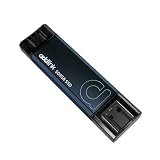
A pocketable USB 3.2 Gen2 stick around $102 with dual USB-C and USB-A. Great for offloading games you play occasionally and shuttling them between a desktop, Deck, and laptop.
Transcend ESD420 1TB External
Near $215, this magnetic MagSafe-style external hits up to 2000MB/s over USB 3.2 Gen2x2. It is more about creator files, but doubles as fast overflow storage for a library that outgrows internal drives.
Frequently Asked Questions
What size SSD does the Steam Deck use?
The Steam Deck and ROG Ally use the shorter M.2 2230 form factor, not the standard 2280. Buy 2230 drives like the Silicon Power UD90 or Sabrent Rocket Q4.
Is Gen5 worth it for gaming?
Not yet for most players. Gen4 drives already load games near-instantly; Gen5 mainly helps a few DirectStorage titles while running hotter and costing more.
Is DRAM-less QLC okay for a game drive?
Yes. Games are read-heavy, so DRAM-less QLC drives perform great for loading and cost less. Choose DRAM/TLC only if you do heavy sustained writes.
Can I run games from an external SSD?
Yes, and a fast USB-C SSD is perfect for less-frequently played titles. Load times are slightly longer than internal NVMe but far better than a hard drive.
Final Thoughts
For handheld gamers, the Silicon Power UD90 2TB is the value-and-capacity winner, with the Sabrent Rocket Q4 as the premium alternative. Desktop owners can pair a big internal drive with the Addlink P50 for portable overflow. Match the form factor to your device and your library has room to grow.