Key takeaways
- Hardware: Native G-Sync uses a dedicated module in the monitor; FreeSync uses the open VESA Adaptive-Sync standard with no extra chip.
- Cost: FreeSync monitors carry no licensing premium; native G-Sync displays cost more.
- Compatibility: FreeSync works with AMD and most NVIDIA cards; native G-Sync historically required NVIDIA.
- Certification: FreeSync has Premium and Premium Pro tiers; G-Sync has Compatible, standard, and Ultimate tiers.
- Guarantees: Native G-Sync validation ensures a wide refresh range and no flicker; FreeSync quality varies more by model.
- Connections: Both work over DisplayPort, with HDMI 2.1 variable refresh support on newer displays.
What's inside
FreeSync and G-Sync both solve the same annoying problem: screen tearing and stutter caused by a mismatch between your GPU’s frame output and your monitor’s fixed refresh rate. By dynamically matching the display’s refresh to the frame rate in real time, both deliver smooth, tear-free gaming. But they take different approaches, come with different costs, and carry different certification tiers, and knowing the distinction can save you money on your next monitor.
This comparison explains how FreeSync and G-Sync differ, what the various certification levels mean, and which one makes sense for your GPU and budget in 2026. With cross-compatibility now widespread, the decision is less about brand lock-in than it used to be, but the details still matter when you are choosing a gaming monitor.
As an Amazon Associate we earn from qualifying purchases at no extra cost to you. Product prices and availability are accurate as of the date shown and are subject to change.





⚡ Save on Your Next PC — Amazon Prime
Prime members get fast free shipping on the systems above, plus early access to Prime Day & Black Friday PC deals. New members get a 30-day free trial.
Watch: FreeSync vs G-Sync: Which Is Better? — Video Review
Quick Verdict
For most gamers, FreeSync is the practical winner on value, offering excellent tear-free performance at no price premium and working with both AMD and, in most cases, NVIDIA GPUs. Native G-Sync with a dedicated hardware module still offers the most guaranteed, consistent experience and premium features, but at a higher cost. Since most modern monitors support FreeSync and are G-Sync Compatible, you rarely need to pay extra for native G-Sync unless you want its specific guarantees.
Key Differences
- Hardware: Native G-Sync uses a dedicated module in the monitor; FreeSync uses the open VESA Adaptive-Sync standard with no extra chip.
- Cost: FreeSync monitors carry no licensing premium; native G-Sync displays cost more.
- Compatibility: FreeSync works with AMD and most NVIDIA cards; native G-Sync historically required NVIDIA.
- Certification: FreeSync has Premium and Premium Pro tiers; G-Sync has Compatible, standard, and Ultimate tiers.
- Guarantees: Native G-Sync validation ensures a wide refresh range and no flicker; FreeSync quality varies more by model.
- Connections: Both work over DisplayPort, with HDMI 2.1 variable refresh support on newer displays.
FreeSync Explained
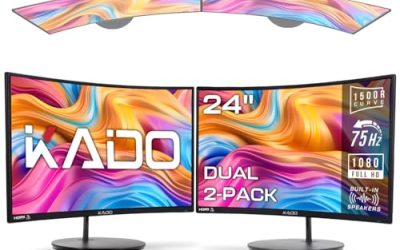
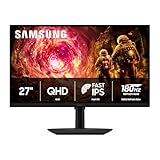
FreeSync is AMD’s implementation of the open Adaptive-Sync standard, and because it requires no proprietary hardware module, monitors that support it carry no price premium. That makes FreeSync displays, from the Samsung Odyssey G5 to the ASUS TUF Gaming VG27AQ3A, tremendous value. Crucially, most FreeSync monitors are also certified G-Sync Compatible, meaning they work seamlessly with NVIDIA GPUs too, giving you flexibility no matter which brand of graphics card you own.
FreeSync comes in tiers: standard, Premium which guarantees at least 120Hz at 1080p and low-framerate compensation, and Premium Pro which adds HDR support. The main caveat is that because there is no mandatory hardware module, the quality of the variable refresh experience can vary between models, so it pays to check reviews for flicker or a narrow variable range on cheaper displays.
G-Sync Explained
G-Sync is NVIDIA’s technology, and in its native form it relies on a dedicated hardware module built into the monitor. That module guarantees a validated, consistent experience with a wide variable refresh range, no flickering, and features like variable overdrive. Native G-Sync and G-Sync Ultimate monitors, such as premium LG UltraGear panels, represent the gold standard for a guaranteed smooth, tear-free experience.
The downside is cost: that hardware module adds to the price. NVIDIA has also embraced the open standard through its G-Sync Compatible program, certifying FreeSync monitors that meet its bar. For most people, a G-Sync Compatible FreeSync display delivers nearly the same experience for far less, making native G-Sync a choice for enthusiasts who want the absolute guarantee and premium features.
Which Should You Buy?
- Choose FreeSync if: you want the best value and cross-compatibility with both AMD and NVIDIA GPUs.
- Choose FreeSync Premium or Premium Pro if: you want guaranteed low-framerate compensation and HDR support at a fair price.
- Choose native G-Sync if: you want the validated, no-compromise experience with premium features and own an NVIDIA card.
- Check G-Sync Compatible certification if: you own an NVIDIA GPU but want a value FreeSync display.
- Either works if: the monitor is well-reviewed for its variable refresh performance in your target refresh range.
Frequently Asked Questions
Can FreeSync monitors work with NVIDIA GPUs?
Yes, in most cases. NVIDIA’s G-Sync Compatible program certifies many FreeSync monitors to work with GeForce cards, and even uncertified ones often work when you enable G-Sync in the driver. This cross-compatibility is why FreeSync is such a flexible, value choice.
Is G-Sync worth the extra money?
For most gamers, no. A good G-Sync Compatible FreeSync monitor delivers a nearly identical experience for less. Native G-Sync is worth it mainly to enthusiasts who want the guaranteed validated performance, wide refresh range, and premium features the hardware module provides.
What is FreeSync Premium Pro?
It is the top FreeSync tier, guaranteeing low-framerate compensation, a minimum high refresh rate at 1080p, and HDR support with low latency. It targets gamers who want both variable refresh and a quality HDR experience without paying native G-Sync prices.
Do I need a special cable for variable refresh?
Use a certified DisplayPort cable for the most reliable variable refresh experience, as it provides the bandwidth for high resolutions and refresh rates. HDMI 2.1 also supports variable refresh on compatible monitors and GPUs, which matters for some setups.
Final Verdict
In 2026, the FreeSync versus G-Sync gap has narrowed to the point where value clearly favors FreeSync. It delivers excellent tear-free gaming at no premium and works with both AMD and NVIDIA cards thanks to G-Sync Compatible certification. Native G-Sync remains the gold-standard guarantee for enthusiasts willing to pay for it. For nearly everyone, a well-reviewed FreeSync Premium display that is also G-Sync Compatible is the smart, flexible choice.