Key takeaways
- Variety of form factors: SFF, tower, and all-in-one options for any space.
- Strong value: Renewed business desktops deliver capable specs affordably.
- Upgrade potential: Towers offer room for future component upgrades.
- Space-saving choices: SFF and all-in-ones keep desks tidy.
What's inside
Desktop computers come in several forms, each suited to different needs, spaces, and budgets. From compact small-form-factor machines that tuck away neatly to full towers with room for upgrades and all-in-ones that combine screen and system, understanding the types helps you choose the right desktop. Renewed business machines also offer excellent value for everyday computing.
In this review we explore the main types of desktop computers using a range of real examples from Dell, HP, and Lenovo. We cover design, performance, and where each style fits so you can pick the desktop that best matches your workspace and workload.
As an Amazon Associate we earn from qualifying purchases at no extra cost to you. Product prices and availability are accurate as of the date shown and are subject to change.


🎮 Get More From Your Setup — Free
Prime Gaming gives you free PC games every month, in-game loot, and a free Twitch channel sub — plus fast free shipping on all the gear above. New members get a 30-day free trial.
Watch: Types Of Desktop Computers: Review & Buyer’s Guide — Video Review
Design & Build
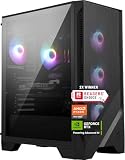
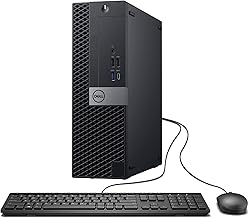
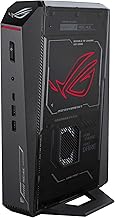
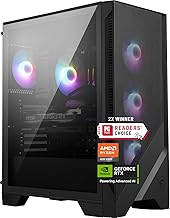
Desktops span distinct form factors. Small-form-factor (SFF) machines like the Dell OptiPlex 7050 and HP ProDesk 400 are compact and space-saving, ideal for tidy desks and business use. Mid and full towers such as the Dell Tower and Dell Pro Tower offer more internal space, better cooling, and easier upgrades, making them versatile for productivity and light creative work. All-in-ones like the Lenovo IdeaCentre integrate the computer into the display for a clean, cable-light setup. Renewed OptiPlex models keep costs low while delivering solid build quality from proven business hardware.
Performance
Performance varies by type and configuration. The renewed Dell OptiPlex 7050 SFF with an Intel i7-7700, 32GB RAM, and a 1TB SSD handles everyday productivity and multitasking well, as does the OptiPlex 3060 with an i5-8500 and 32GB RAM. The HP ProDesk 400 SFF adds dual 4K display support and hybrid storage for office work, while the modern Dell Tower with a Core Ultra 7 and the Dell Pro Tower with a Core i3-14100 target current productivity needs. The Lenovo IdeaCentre all-in-one with a quad-core CPU and 24-inch FHD display suits general home use. None are dedicated gaming rigs, but all cover browsing, office tasks, and media comfortably.
Pros & Cons
- Variety of form factors: SFF, tower, and all-in-one options for any space.
- Strong value: Renewed business desktops deliver capable specs affordably.
- Upgrade potential: Towers offer room for future component upgrades.
- Space-saving choices: SFF and all-in-ones keep desks tidy.
- Not for gaming: These use integrated graphics, limiting demanding titles.
- Renewed condition varies: Refurbished units may show minor cosmetic wear.
- All-in-ones limit upgrades: Integrated designs are harder to expand.
Alternatives to Consider
If you want upgrade flexibility, the Dell Tower or Dell Pro Tower are the best picks for adding storage and components later. For space-saving business use, the OptiPlex and ProDesk SFF machines are compact and dependable. Those wanting a clean, minimal setup should consider the Lenovo IdeaCentre all-in-one, which combines display and computer in one tidy package.
Frequently Asked Questions
What are the main types of desktop computers?
The main types are small-form-factor (compact), tower (mid and full-size with upgrade room), and all-in-one (computer built into the display). Each suits different space and performance needs.
Are renewed desktops reliable?
Yes. Renewed business machines like the Dell OptiPlex are inspected and tested, offering strong specs and reliability at a lower price, making them great value for everyday use.
Which type is best for upgrades?
Tower desktops offer the most internal space and easiest access for adding RAM, storage, or a graphics card, making them the most future-proof choice.
Can these desktops handle gaming?
These models use integrated graphics, so they suit light and older games. For serious gaming, you would want a tower with a dedicated graphics card added.
Verdict
Understanding the types of desktop computers makes choosing the right one much easier. Small-form-factor machines like the OptiPlex and ProDesk save space, towers such as the Dell Pro Tower offer upgrade flexibility, and the Lenovo IdeaCentre all-in-one keeps things clean and simple. For value, renewed business desktops are hard to beat. Match the form factor and specs to your workspace and workload, and you will find a desktop that serves you well for years.