Key takeaways
- eGPU flexibility: Turns a thin laptop or handheld into a gaming machine at your desk.
- Portable eGPU convenience: Built-in PSU and compact designs travel well.
- Desktop card performance: Full PCIe bandwidth for the highest frame rates.
- OCuLink option: Reduces the bandwidth bottleneck of external graphics.
What's inside
Adding serious graphics power to a laptop or handheld used to mean buying a whole new machine. External GPU enclosures changed that, and the latest generation, built around USB4, OCuLink, and portable all-in-one designs, makes desktop-class graphics genuinely mobile. For anyone who wants to game hard at their desk but stay light on the road, comparing today’s mobile GPU options is more interesting than ever.
This review compares portable eGPUs against traditional desktop cards, examining how external graphics stack up for laptops, mini PCs, and handhelds. If you are weighing an eGPU dock against a conventional GPU upgrade, here is what you need to know before you commit.
As an Amazon Associate we earn from qualifying purchases at no extra cost to you. Product prices and availability are accurate as of the date shown and are subject to change.


🎮 Get More From Your Setup — Free
Prime Gaming gives you free PC games every month, in-game loot, and a free Twitch channel sub — plus fast free shipping on all the gear above. New members get a 30-day free trial.
Watch: Mobile Gpu Compare: Review & Buyer’s Guide — Video Review
Design & Build
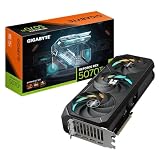
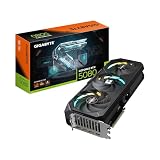
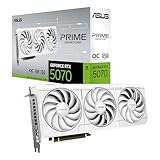
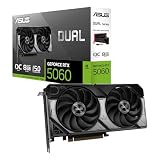
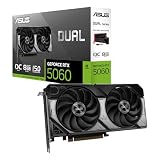
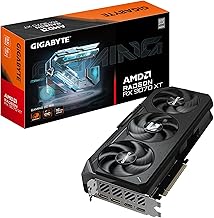
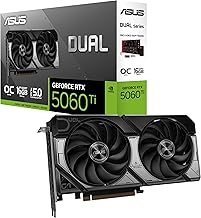
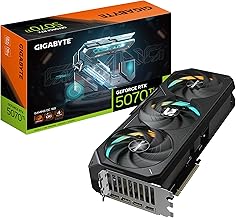
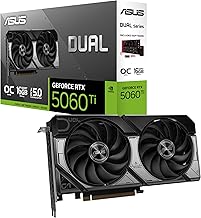
The mobile GPU space splits into two camps. Portable eGPUs like the Nimo eGPU with an AMD Radeon RX 7600M XT and the ONEXGPU 2 with an RX 7800M pack a mobile GPU, cooling, and even a built-in power supply into a compact, carry-friendly box, some adding an M.2 storage slot. The ONEXGPU Lite trims things down further for handheld pairing. On the other side sit conventional desktop cards like the ASUS Dual RTX 5060 Ti, RTX 5060, and the GIGABYTE Radeon RX 9070 XT, which offer more raw power but require a desktop and a proper case. Connectivity is the crucial difference: eGPUs rely on USB4, Thunderbolt, or OCuLink, while desktop cards drop into a PCIe slot.
Portability vs Power
The trade-off is clear. Portable eGPUs prioritize mobility and flexibility, letting a thin laptop or handheld transform into a gaming rig at your desk. Desktop cards prioritize maximum performance at the cost of any portability.
Performance
Real-world results follow the design split. The portable eGPUs deliver a huge uplift for thin laptops and handhelds, with the ONEXGPU 2’s RX 7800M being the strongest mobile option here for 1440p gaming, and the OCuLink-equipped Nimo dock minimizing the bandwidth bottleneck that hampers pure USB4 connections. That connection matters: OCuLink generally outperforms USB4 for graphics, so it is worth prioritizing. Desktop cards, however, remain the performance leaders. The GIGABYTE RX 9070 XT and ASUS RTX 5060 Ti with 16GB deliver more consistent high-frame-rate gaming than any external solution, since they run at full PCIe bandwidth with no external interface overhead. The choice comes down to whether you value the eGPU’s flexibility or the desktop card’s uncompromised speed.
Pros & Cons
- eGPU flexibility: Turns a thin laptop or handheld into a gaming machine at your desk.
- Portable eGPU convenience: Built-in PSU and compact designs travel well.
- Desktop card performance: Full PCIe bandwidth for the highest frame rates.
- OCuLink option: Reduces the bandwidth bottleneck of external graphics.
- eGPU overhead: USB4 connections cap performance below native PCIe.
- Cost premium: Portable eGPUs cost more than an equivalent desktop card.
- Desktop cards aren’t mobile: They require a full tower to use.
Alternatives to Consider
If portability is not essential, a desktop with the GIGABYTE RX 9070 XT or an ASUS RTX 5060 Ti gives you more performance per dollar than any eGPU. If you already own a powerful gaming laptop, you may not need external graphics at all. And for handheld owners specifically, the ONEXGPU Lite offers a right-sized boost without overspending.
Frequently Asked Questions
Is an eGPU worth it over a desktop card?
It depends on your priorities. eGPUs add desktop-class graphics to portable machines, but a desktop card delivers more performance for less money if you don’t need mobility.
OCuLink or USB4 for an eGPU?
OCuLink generally provides more bandwidth and better gaming performance than USB4, so prioritize a dock and laptop that support it when possible.
Can eGPUs power handheld PCs?
Yes, models like the ONEXGPU Lite and Nimo eGPU are designed to pair with handhelds and mini PCs, dramatically boosting their graphics at a desk.
Which offers the best raw performance here?
The desktop GIGABYTE RX 9070 XT leads for pure frame rates, while the ONEXGPU 2 is the strongest portable eGPU option.
Verdict
Mobile GPUs have come a long way, and the right choice hinges on how you use your PC. For maximum flexibility with a thin laptop or handheld, a portable eGPU like the ONEXGPU 2 or an OCuLink-equipped Nimo dock is the way to go. If you want the best performance per dollar and don’t need portability, a desktop card such as the RX 9070 XT or RTX 5060 Ti wins. Match the tool to your setup and you can’t go far wrong.