Key takeaways
- GPU first, always: The graphics card determines roughly 70–80% of your gaming performance. At this budget an RTX 5060 Ti is the sensible floor for 1440p, while an RTX 5070 is the sweet spot if a sale brings it into range. Don’t trade down on the GPU to gain CPU cores you won’t use.
- Watch for CPU mismatches: A capable GPU paired with an ageing or heavily cut-down processor will bottleneck you in CPU-heavy titles like esports shooters and simulation games. Modern Ryzen 7 and Core Ultra 7 chips are well matched to 5060 Ti/5070-class cards; older generations are not.
- Memory: 32GB DDR5 in dual channel: 16GB is still playable, but 32GB has become the comfortable baseline for 2026 releases and background apps. Just as important, confirm it’s two sticks rather than one — single-channel memory can cost you 10–15% in frame rates.
- Storage headroom matters more than it used to: With major titles pushing past 150GB, a 512GB drive fills up fast. Target 1TB NVMe minimum, and check whether the case has a free M.2 slot or drive bay so you can expand cheaply later.
- Budget for the whole setup: Prebuilts rarely include a monitor, and a high-refresh 1440p panel is what unlocks the performance you’ve paid for. If the PC eats your entire budget, consider stepping down a GPU tier and putting the difference toward a display.
What's inside
The sub-$1000 gaming desktop market has never been more confusing. GPU pricing swings week to week, prebuilt vendors quietly pair a strong graphics card with a bottlenecked CPU or a single stick of slow RAM, and listings bury the details that actually determine whether you’ll hit 1440p at high refresh or spend the next two years dropping settings. Meanwhile, the “under $1000” label gets stretched by sale-only pricing that disappears the moment you click through.
This guide cuts through that. We’ve focused on machines that realistically land at or near the $1000 mark, prioritising the components that matter most for frame rates — GPU class, CPU pairing, and memory configuration — while flagging where a build cuts corners you’ll notice later. Below you’ll find our current picks, a short buying framework, and answers to the questions we get asked most about prebuilts at this price.
As an Amazon Associate we earn from qualifying purchases at no extra cost to you. Product prices and availability are accurate as of the date shown and are subject to change.


⚡ Save on Your Next PC — Amazon Prime
Prime members get fast free shipping on the systems above, plus early access to Prime Day & Black Friday PC deals. New members get a 30-day free trial.
Watch: Best Gaming PC Under $1000 — Video Review
How to Choose Gaming PC Under $1000
- GPU first, always: The graphics card determines roughly 70–80% of your gaming performance. At this budget an RTX 5060 Ti is the sensible floor for 1440p, while an RTX 5070 is the sweet spot if a sale brings it into range. Don’t trade down on the GPU to gain CPU cores you won’t use.
- Watch for CPU mismatches: A capable GPU paired with an ageing or heavily cut-down processor will bottleneck you in CPU-heavy titles like esports shooters and simulation games. Modern Ryzen 7 and Core Ultra 7 chips are well matched to 5060 Ti/5070-class cards; older generations are not.
- Memory: 32GB DDR5 in dual channel: 16GB is still playable, but 32GB has become the comfortable baseline for 2026 releases and background apps. Just as important, confirm it’s two sticks rather than one — single-channel memory can cost you 10–15% in frame rates.
- Storage headroom matters more than it used to: With major titles pushing past 150GB, a 512GB drive fills up fast. Target 1TB NVMe minimum, and check whether the case has a free M.2 slot or drive bay so you can expand cheaply later.
- Budget for the whole setup: Prebuilts rarely include a monitor, and a high-refresh 1440p panel is what unlocks the performance you’ve paid for. If the PC eats your entire budget, consider stepping down a GPU tier and putting the difference toward a display.
The Best Picks Reviewed
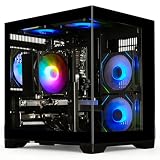
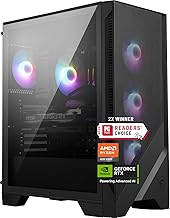
MSI Codex Z2 (RTX 5070, 32GB, 2TB)
This is the most complete package on the list: an RTX 5070 backed by 32GB of DDR5 and a genuinely generous 2TB NVMe drive, with the Ryzen 7 8700F providing enough CPU headroom to keep the GPU fed at 1440p. It typically sits at the very top of the budget, so it’s a sale-watch purchase — but at the right price nothing here beats it on value.
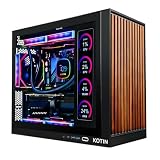
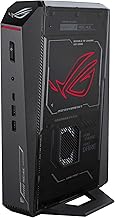
KOTIN Prebuilt RTX 5070 / Ryzen 7 9700X
The strongest CPU pairing of the group, matching an RTX 5070 with the newer Ryzen 7 9700X, which pays off in CPU-limited esports titles and heavily modded games. The 1TB drive is adequate rather than generous, and boutique builders like KOTIN offer less support depth than the major brands, so factor that into your decision.
Alienware Aurora (RTX 5070, Core Ultra 7 265F)
Alienware’s appeal here is the ownership experience — solid thermals, tidy cable management, and proper warranty support — wrapped around a capable RTX 5070 and Core Ultra 7 265F combination. You pay a premium for that polish, so check the configuration carefully to make sure the RAM and storage haven’t been trimmed to hit the price point.
MSI Codex Z2 (RTX 5060 Ti, 16GB, 1TB)
The value pick of the lineup. The RTX 5060 Ti handles 1440p at high settings in most current titles, and the same Ryzen 7 8700F keeps it from bottlenecking, while the lower price leaves genuine room in the budget for a monitor or peripherals. Plan on a 16GB memory upgrade within a year or two.
YAWYORE Ryzen 7 5700X / RTX 5060
The entry point for anyone who wants a current-generation GPU without stretching the budget, and the RTX 5060 is perfectly capable at 1080p high refresh. The Ryzen 7 5700X is a previous-generation part, so expect it to limit you in the most CPU-demanding titles — a fair trade at this price, but worth knowing going in.
Frequently Asked Questions
Is $1000 enough for 1440p gaming in 2026?
Yes, provided you buy carefully. An RTX 5060 Ti or 5070 will deliver high settings at 1440p in the vast majority of current titles, though you may need to enable upscaling in the most demanding releases. For 1080p high-refresh gaming, $1000 is comfortably more than enough.
Should I build my own PC instead?
Building yourself typically saves 10–20% and gives you full control over component quality. But prebuilts have narrowed that gap considerably, and they come with a single warranty covering the whole system — which is worth real money if something fails. If you’ve never built before and don’t want the project, a prebuilt is a legitimate choice, not a compromise.
What should I upgrade first?
Memory and storage, in that order — both are cheap, easy to install, and address the most common corners cut in budget prebuilts. Save GPU upgrades for two or three years down the line, and check your power supply’s wattage and connector type before committing to one.
Are older GPUs like the RX 580 still worth buying?
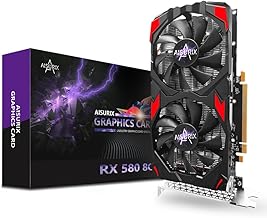
Only at very low prices for light or older games. Cards of that generation lack modern upscaling and ray tracing support and struggle with 2026 releases even at 1080p, so treat them as a stopgap rather than a foundation you’ll build on.
Final Thoughts
If your budget genuinely stretches to the top of the range, the MSI Codex Z2 with the RTX 5070 and 2TB of storage is the most complete machine here, with the KOTIN RTX 5070 build a close alternative thanks to its stronger Ryzen 7 9700X. For most buyers, though, the RTX 5060 Ti version of the Codex Z2 is the smarter purchase — it delivers the large majority of the performance for meaningfully less money, leaving budget for the monitor and peripherals that make the whole setup worthwhile.