Key takeaways
- Rich multi-touch gestures for scrolling, zooming, and app switching
- Space-saving flat profile that keeps desks tidy
- Ergonomic alternative for those who find mice uncomfortable
- Wired and wireless options across Mac and Windows
What's inside
A standalone trackpad is a refreshing alternative to the traditional mouse, trading a moving puck for a flat, gesture-driven surface that many find more comfortable and space-efficient. Whether you’re a Mac user chasing seamless multi-touch gestures or a Windows user who wants desktop swiping without a laptop, an external trackpad can genuinely change how you interact with your computer.
This review looks at what makes a great trackpad mouse, from surface size to connectivity and gesture support, using several capable options as references, so you can decide whether swapping your mouse for a touchpad suits your workflow.
As an Amazon Associate we earn from qualifying purchases at no extra cost to you. Product prices and availability are accurate as of the date shown and are subject to change.




🎮 Get More From Your Setup — Free
Prime Gaming gives you free PC games every month, in-game loot, and a free Twitch channel sub — plus fast free shipping on all the gear above. New members get a 30-day free trial.
Watch: Trackpad Mouse: Review & Buyer’s Guide — Video Review
Design & Build
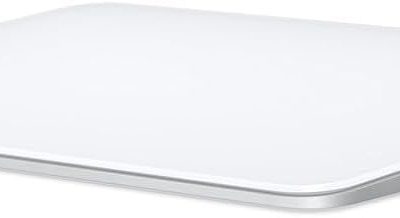
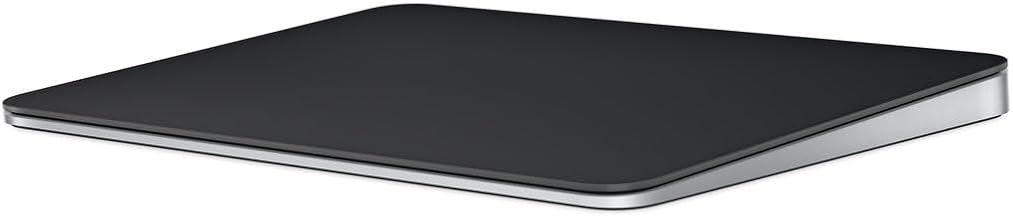
Trackpads prioritize a large, smooth touch surface, and size matters for comfortable gesturing. Options like the ProtoArc T1 Plus and Amazon Basics trackpad offer roughly 6.4-inch surfaces that give gestures room to breathe, while Apple’s Magic Trackpad brings a premium glass surface with Force Touch and haptic feedback in both white and black finishes. Build materials range from aluminum, as on the ProtoArc wired model, to sleek plastic, and the low, flat profile saves desk space compared to a mouse. Wired versions like the ProtoArc T1 offer plug-and-play stability, while wireless models keep the desk clean. Choose based on whether you value portability, a premium feel, or a rechargeable no-receiver design.
Performance
The appeal of a trackpad is multi-touch gestures, and how well they work depends on your operating system and the device’s compatibility. Apple’s Magic Trackpad shines on Mac, iPad, and Vision Pro with deeply integrated gestures and Force Touch, delivering the smoothest experience in that ecosystem. For Windows, options like the ProtoArc T1 Plus and Amazon Basics trackpad support Windows 10 and 11 gestures for scrolling, zooming, and switching apps, though gesture depth is more limited than macOS. Bluetooth models such as the ProtoArc T1 Plus allow multi-device switching without a receiver, while wired units offer rock-solid reliability. Precision is generally excellent for everyday navigation, though gamers and pixel-precise designers may still prefer a traditional mouse.
Pros & Cons
- Rich multi-touch gestures for scrolling, zooming, and app switching
- Space-saving flat profile that keeps desks tidy
- Ergonomic alternative for those who find mice uncomfortable
- Wired and wireless options across Mac and Windows
- Gesture depth on Windows trails the macOS experience
- Less precise for gaming and fine design work than a mouse
- Learning curve for users switching from a traditional mouse
Alternatives to Consider
If you’re firmly in the Apple ecosystem, the Magic Trackpad is the natural choice for its seamless gestures and haptic surface. Windows users who want multi-device flexibility should look at the ProtoArc T1 Plus with Bluetooth switching, while those who prefer a stable, receiver-free connection can opt for the wired ProtoArc T1. The Amazon Basics trackpad offers a rechargeable, budget-friendly entry point for Windows users curious about touchpad control without a large investment.
Frequently Asked Questions
Are trackpads good for Windows or just Mac?
They work on both, but macOS offers deeper, smoother gesture integration. Windows trackpads support scrolling, zooming, and app switching, though the gesture experience is more limited than on a Mac.
Can I use a trackpad for gaming?
Trackpads aren’t ideal for gaming or pixel-precise design work, where a traditional mouse offers better speed and accuracy. They excel at everyday navigation, browsing, and gesture-driven multitasking instead.
Do I need a receiver or is Bluetooth better?
Bluetooth models like the ProtoArc T1 Plus connect without a receiver and can switch between devices, while wired trackpads offer maximum stability. Choose based on whether flexibility or reliability matters more to you.
Is there a big learning curve?
Most users adapt within a few days. If you’re used to a laptop touchpad, the transition is quick, but coming from a mouse takes a short adjustment to build gesture habits.
Verdict
A trackpad mouse is a comfortable, space-saving alternative for anyone who enjoys gesture-driven control. Mac users get the most from the Apple Magic Trackpad, while Windows users are well served by the ProtoArc T1 Plus for wireless flexibility or the wired T1 for stability. If you value gestures and a tidy desk over gaming precision, a standalone trackpad is worth the switch.