Key takeaways
- Is a gaming headset worth it? A plain verdict by player type: what the extra money buys, who genuinely needs one, and who can happily skip the purchase.
As an Amazon Associate we earn from qualifying purchases.
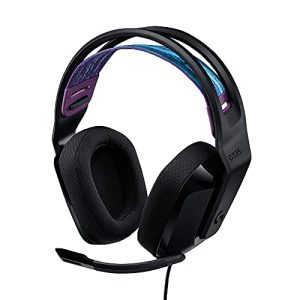
The short answer is that a gaming headset is worth it for players whose gaming involves other people, and much harder to justify for players who mostly play alone. A headset is not really an audio upgrade in the way a better pair of headphones is; it is a communication tool with speakers attached. Once you see it that way, the verdict sorts itself out quickly. This article walks through what the spending actually buys, which player types get real value from it, and which ones are paying for features that will sit unused on their desk.
The Short Answer
If you play team games with voice chat several times a week, a gaming headset is one of the most sensible purchases in a gaming setup, because it solves voice, game audio, controls and comfort in a single device that always works. If you play single-player games, rarely speak online, or already own good headphones and a microphone you are happy with, a gaming headset adds very little, and the money usually does more good elsewhere in your setup. Everything below is the reasoning behind those two sentences, group by group.
What the Extra Money Buys
Moving up from the cheapest headsets to the established mid-range buys things you can feel rather than admire on a spec sheet. The microphone improves first: clearer voice pickup, better rejection of keyboard and room noise, and a boom that stays where you bend it. Comfort improves next, with pads and headbands designed for three-hour sessions instead of thirty-minute ones. Wireless models add a proper low-latency connection and batteries that last a working week of evenings rather than a single long day. Build quality rises too, in hinges, cables and controls that survive daily handling. What the extra money does not reliably buy is dramatically better raw sound; beyond a point, headsets converge, and the gains shift to features, software and fit. Knowing that saves buyers from chasing the most expensive model in the hope of hearing a different game.
Who It Is Worth It For
Regular Team Players in Voice Chat
This is the clearest yes. If your week includes ranked queues, co-op sessions or any game where callouts change outcomes, a headset earns its place every single session. The boom mic keeps your voice clear without a desk mic to position, mute and volume controls sit on the earcup for mid-round adjustments, and the whole setup works identically every time you sit down. For this group the headset is not an accessory; it is the equivalent of a controller or a mouse, a core input device for how they play.
Console Players on the Sofa
Also a strong yes. Console ecosystems are built around headsets: controller jacks, platform wireless systems, chat mixing in the settings and party chat all assume one is attached. A gaming headset slots into that design with no adapters or workarounds, and wireless models built for a specific console remove even the controller cable. Sofa play also punishes complicated setups, because a desk mic on a stand simply has nowhere sensible to live in a living room.
Streamers and Regular Content Creators
A qualified yes. A headset keeps a creator’s setup compact and consistent, which matters when you record often and cannot fuss with gear before every session. The qualification is ambition: creators whose voice is central to their content often outgrow a headset mic and move to a dedicated microphone with headphones. Starting on a headset is still reasonable, because it works immediately and remains useful as a backup or a console option even after the main desk setup grows.
Players in Shared or Noisy Homes
Yes, for a different reason: control. A closed headset isolates you from household noise and keeps your game audio from filling the room, while a noise-rejecting boom mic keeps the household out of your callouts. Late-night players in flats and family homes get value from a headset even in games they play alone, because it is the polite way to keep explosions at full volume after everyone else has gone to bed.
Before the skip list, one honest test separates the two groups better than any other: look at the last month of your gaming rather than the next month you are imagining. Count the sessions where another person’s voice was in your ears, or where you wished your own callouts were clearer. If those sessions are rare, the verdict leans skip, whatever the marketing says. If they are your normal week, a headset is not a gamble at all; it is equipment for a habit that already exists, and purchases made for existing habits are the ones that almost never disappoint. Run that count honestly and most readers will know which side of this article they live on before they reach the group verdicts below.
Who Can Skip It
Solo Players Who Rarely Use Voice Chat
If your library is single-player adventures, strategy and simulation, and your microphone use is close to zero, a gaming headset is mostly a pair of headphones with features you will not touch. Good headphones you already own, or speakers you enjoy, will serve those games just as well. The money a headset would cost usually improves a solo setup more when it goes toward the games themselves or a comfort upgrade you use every day.
Owners of Good Headphones and a Decent Mic
If your desk already runs headphones you like with a microphone that teammates rate as clear, a gaming headset duplicates what you have. The only real gains would be integration and a second device for console use. That can still be a fair reason to buy, but it is a convenience purchase, not an upgrade, and it should be judged and priced as one.
Occasional Players on a Tight Setup Budget
Players who game a few hours a month get the least from any specialised peripheral. A basic wired headset borrowed from the console bundle, earbuds you already own, or the speakers on the desk will carry casual play comfortably. Setup money is better spent where your hours actually go, and a headset can always join later if a team game turns into a habit.
When the Answer Changes
Worth is not a permanent verdict, because the thing being judged is a habit, and habits move. The solo player who swore a headset was pointless in spring can be deep in a co-op campaign with friends by winter, at which point the same purchase flips from indulgence to obvious. The reverse happens too: a headset bought for a team game that everyone quietly abandons becomes an expensive way to watch videos. This is why the honest way to frame the purchase is not whether headsets are worth it in general, but whether one is worth it for the next year of your actual gaming life.
Two practical consequences follow. First, buy for the routine you can already describe, not the one a new game announcement makes you imagine; if the social habit forms, the headset can follow a month later and nothing is lost. Second, prefer the purchase that stays useful if the habit changes. A headset with a detachable mic still works as living-room headphones, and a wired model never becomes useless because a battery aged. Flexibility is a form of insurance, and in a category where taste and routine both drift, it is often worth more than a small edge in sound.
The verdict also shifts with what you already own, which is why blanket recommendations in this category mislead so often. A player starting from nothing, with a team game waiting, gets full value from a headset on day one. A player with a drawer of earbuds, a serviceable old headset and good speakers is buying a much smaller improvement, and the same money might honestly be worth less to them than a single new game. Neither player is wrong; they are standing in different places. When friends ask whether a headset is worth it, the useful answer is a question back: what do you play, who do you play it with, and what is on your desk already? Those three answers settle the matter more reliably than any ranking of models.
It is also worth naming the one cost buyers consistently forget: attention. A headset is another device to charge, update, store and troubleshoot, and for players whose setups are already complex, that overhead is real even when the money is not. The players who get the most from a headset are the ones for whom it replaces several small annoyances with one reliable habit. If it would instead add a new chore to a setup that already works, that is a legitimate reason to skip it, whatever the group verdicts above suggest.
Common Mistakes
- Buying a premium headset for single-player games and expecting a transformation that only voice chat users actually get.
- Judging worth purely on sound quality, when the real value sits in the microphone, controls and convenience.
- Replacing a working headphones-and-mic setup with a headset and calling it an upgrade.
- Ignoring fit, then deciding headsets are not worth it when the actual problem was one uncomfortable model.
- Spending headset money while the chair, desk or display you use for hours every day goes unfixed.
Frequently Asked Questions
Is a gaming headset worth it for single-player games?
Usually not on its own merits. Without voice chat, a headset is competing purely as headphones, and dedicated headphones at a similar level generally sound better for story games and music. The exception is the shared-home case: if you play late in a flat or family house, the isolation and privacy of a closed headset can justify it even without any multiplayer at all.
What do you actually get by spending more?
A clearer microphone, better comfort over long sessions, sturdier construction and, on wireless models, longer battery life and a more reliable connection. Sound quality improves at the lower end of the range and then levels off. If you are choosing where the money goes, microphone and comfort deliver the most noticeable returns for team players.
Can earbuds or a cheap headset do the same job?
For occasional voice chat, yes, within limits. Earbuds with an inline mic will carry a casual session, and entry-level headsets handle basic comms fine. The gaps appear in mic clarity, comfort over hours and durability. Players who chat nightly feel those gaps quickly, which is exactly why the worth-it answer depends on how often you play with others.
Should I buy a headset or headphones first?
Buy for the habit you already have, not the one you imagine. If your current routine is team games with friends, the headset first is the practical order. If your routine is solo games and music, headphones first, and add voice gear only if a social game pulls you in. Gear bought for a real habit gets used; gear bought for an imagined one gathers dust.
FAQ
Is a gaming headset worth it for single-player games?
What do you actually get by spending more?
Can earbuds or a cheap headset do the same job?
Should I buy a headset or headphones first?
More from Amazon
Programs that pair well with the guide above. Offers and eligibility are set by Amazon and may change.
Free shipping on eligible items, Prime Video and more. Eligible new members can start with a free trial.
Start a Prime free trialAd-free music streaming. Eligible new subscribers can start with a free trial.
Try Music Unlimited freeA Prime membership for ages 18-24 with a trial period. Eligibility is set by Amazon.
See Prime for Young AdultsAudiobooks and podcasts to listen to on the go. Eligible new members can start with a free trial.
Try Audible freeAs an Amazon Associate we earn from qualifying purchases.