Key takeaways
- Gaming headset vs headphones with a separate mic: voice quality, upgrade paths, desk clutter, cost structure and repairability compared, with clear verdicts.
As an Amazon Associate we earn from qualifying purchases.
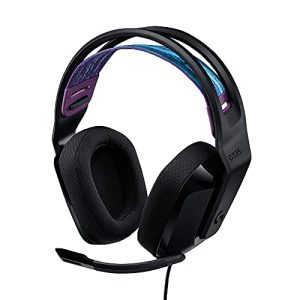
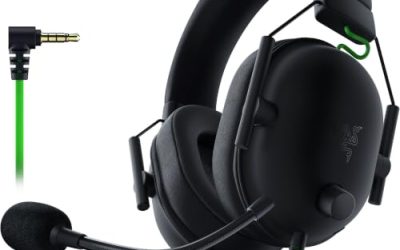
Once a player outgrows the idea of a single all-in-one device, the real contest begins: a gaming headset against a combination of good headphones and a separate microphone chosen independently. This is a fair fight. The headset offers integration, one purchase and controls designed around gaming. The combo offers a higher ceiling for both listening and voice, plus the freedom to upgrade or replace each piece on its own schedule. Neither side wins in general; each wins for a recognisable kind of player. This comparison walks through the dimensions where the two approaches genuinely differ, then gives verdicts by situation.
At a Glance
| Feature | Gaming Headset | Headphones + Separate Mic |
|---|---|---|
| Voice quality ceiling | Good, limited by a small boom mic | Higher, set by the mic you choose |
| Listening quality ceiling | Tuned for games, solid all round | Higher, set by the headphones you choose |
| Setup effort | One device, minutes | Several devices, positioning and levels |
| Upgrade path | Replace the whole unit | Upgrade mic or headphones separately |
| Desk footprint | Minimal, mic attached | Mic, stand or arm, extra cables |
| Cost structure | One predictable purchase | Several purchases that can spread out |
| When one piece fails | Whole setup is down | Replace only the failed piece |
| Console and sofa use | Designed for it | Awkward, desk-oriented |
| Controls | Mute and volume on the earcup | Scattered across devices and software |
The Dimensions That Matter
Voice Quality Ceiling
A headset boom mic sits close to the mouth, which is the single biggest factor in sounding clear, and the better models are genuinely good. A separate microphone, though, plays by different rules: larger capsules, real positioning choices, and processing options that a boom mic cannot match. For team callouts, the headset is already past the point of good enough, and extra voice quality buys little. For streaming, recording or any audience beyond your squad, the ceiling matters, and the combo pulls ahead clearly. Be honest about which audience your voice actually has.
The Upgrade Path
A gaming headset ages as one object. When the battery fades, the pads wear or you simply want better sound, the entire device is replaced, microphone and all. The combo ages in pieces. You can start with modest headphones and a basic mic, then upgrade whichever side disappoints you, when budget allows, without touching the other. Over several years this changes the economics of the hobby: the combo rewards patience and research, while the headset rewards decisiveness. Players who enjoy refining a setup tend to drift toward the combo for this reason alone.
Desk Clutter and Cables
The headset is one object with one connection, and when you finish playing it hangs on a hook and the desk is clear. The combo adds a microphone that needs a home: a desk stand that eats space near your keyboard, or an arm that clamps to the desk and hovers in your peripheral vision, plus its cable and the headphones’ cable to route. None of this is unmanageable, and many players find a well arranged combo desk satisfying. But it is a permanent physical commitment in a way a headset is not, and in small rooms or shared spaces that footprint is a real cost.
Cost Structure, in Words
The headset concentrates spending into one decision with a known total. The combo spreads spending across at least two decisions, and the total is easier to underestimate, because the microphone wants a stand, the stand wants desk space, and small extras accumulate quietly. Spread out, though, the combo can start cheaper than a good headset if you already own decent headphones, since the mic alone completes the setup. The fair comparison is always the full working system on each side, priced as a whole, not the headset against headphones alone with the mic forgotten.
Repairability and Points of Failure
When a headset fails, it tends to fail as a system: a dead battery, a snapped hinge or a worn cable can silence both your game audio and your voice at once, and repairs are rarely offered. The combo fails gracefully. A dead mic leaves you with working headphones and a cheap temporary replacement; worn headphone pads swap in minutes on many models. The flip side is troubleshooting: with several devices in a chain, finding which link caused a problem takes longer, and software settings multiply. Reliability, in other words, means different things on each side: fewer failures, or cheaper ones.
Which Should You Choose?
You Want It Working Tonight With No Fuss
Choose the gaming headset. One box, one connection, matched controls, and voice chat that works the moment you plug in. For players whose free time is scarce and precious, the hours a combo setup can consume in research, positioning and level-setting are hours not spent playing. The headset’s ceiling is lower, but its floor is high and immediate, and for most team players that trade is the right one.
You Stream, Record or Care How Your Voice Sounds
Choose the combo. Your voice is content, and the separate microphone is the single biggest quality lever available to you. Pair it with headphones you enjoy for long editing and listening sessions, and upgrade each side as your channel or your standards grow. The desk footprint and setup effort are real, but they are the working costs of the quality you are actually selling to an audience.
You Already Own Good Headphones
Choose the combo, almost by default. The expensive half of the system is already on your desk, so a separate microphone completes a setup that will out-communicate most headsets from day one. Spend the decision energy on mic type and placement instead. The only reason to buy a headset anyway is a second location, such as a console in the living room, where the all-in-one design earns its keep separately.
You Play on Console in the Living Room
Choose the gaming headset. The combo is a desk architecture: stands, arms and cables assume a fixed workstation. Sofa play needs the device that plugs into a controller or pairs with the console and puts mute on the earcup. Many players end up owning both eventually, the headset for the living room and the combo at the desk, which is a reasonable outcome rather than a failure to decide.
The Third Option Nobody Mentions: Both, in Sequence
Plenty of experienced players end up owning both, and it is worth saying plainly that this is not indecision. The usual sequence starts with a headset during the years when team games dominate and money is tight, because it solves everything adequately in one purchase. Later, when a streaming habit, a music obsession or a home office appears, the combo arrives at the desk, and the headset migrates to the console, the travel bag or the role of trusted backup. Each device ends up used where its strengths matter and its weaknesses do not, which is a better outcome than forcing either one to cover every situation.
There is a confidence benefit to sequencing as well. Choosing a microphone is far easier once you have spent a year hearing your own voice through a headset on call recordings and game clips, because you know whether you want more warmth, more clarity or simply less room noise. Likewise, a year of headset use teaches you exactly which comfort and tuning traits you cannot live without in headphones. Experience is the one specification no listing can give you, and phasing the purchases is how you collect it without paying for the lesson twice.
Sequencing also changes the money conversation. Bought years apart, the two setups never compete for the same budget, and the second purchase is informed by everything the first one taught you about your own habits: how close you like a mic, how long you wear headphones, whether your room punishes an open design. The players who regret audio purchases are rarely the ones who phased them in. They are the ones who tried to buy the final, perfect setup in a single order, for a routine they had not lived yet. Whether you land on the headset, the combo or both in time, letting your actual routine cast the deciding vote is the closest thing this comparison has to a universal answer.
Common Mistakes
- Comparing the price of a full headset against headphones alone and forgetting the microphone, stand and cables the combo still needs.
- Buying a large desk microphone without a plan for where it will live, then fighting it for space every session.
- Assuming a separate mic automatically sounds better, when poor placement in a noisy room can make it worse than a close boom mic.
- Replacing a working headset with a combo for team games only, and gaining complexity without gaining anything teammates can hear.
- Letting one failed cable in a combo chain convince you the whole approach is unreliable, when the failed link was the cheapest piece in it.
Frequently Asked Questions
Is a separate mic always clearer than a headset mic?
Not automatically. A separate mic has a higher ceiling, but it only reaches that ceiling with sensible placement and a reasonably treated room. A boom mic sits a few centimetres from your mouth, which forgives a lot. In a noisy, echoing room, a well positioned headset mic can sound cleaner than an expensive desk mic placed too far away.
Can I start with a headset and move to a combo later?
Yes, and it is a common path. The headset teaches you your own habits: how much you chat, how long you play, what annoys you. When you outgrow it, it remains useful for console play, travel or as a backup. Nothing about starting simple locks you in, and the experience makes the later combo purchase much better informed.
What does the combo route actually involve buying?
At minimum, headphones and a microphone. Realistically, add a stand or arm for the mic, and check whether your chosen mic needs an interface or works over USB. That is why the honest comparison counts the whole system. Bought in stages, the combo spreads the spending out; bought all at once, it usually totals more than a single good headset.
Which option lasts longer overall?
The combo, in most cases, because it fails and upgrades in pieces. Headphone pads, cables and even the whole microphone can be replaced without disturbing the rest. A headset’s life is set by its weakest fixed component, often the battery or a hinge. Players who keep gear for many years tend to value the combo’s replaceable structure, while players who upgrade often care less either way.
FAQ
Is a separate mic always clearer than a headset mic?
Can I start with a headset and move to a combo later?
What does the combo route actually involve buying?
Which option lasts longer overall?
More from Amazon
Programs that pair well with the guide above. Offers and eligibility are set by Amazon and may change.
Free shipping on eligible items, Prime Video and more. Eligible new members can start with a free trial.
Start a Prime free trialAd-free music streaming. Eligible new subscribers can start with a free trial.
Try Music Unlimited freeA Prime membership for ages 18-24 with a trial period. Eligibility is set by Amazon.
See Prime for Young AdultsAudiobooks and podcasts to listen to on the go. Eligible new members can start with a free trial.
Try Audible freeAs an Amazon Associate we earn from qualifying purchases.