Key takeaways
- Raw performance: the 5070 Ti has more CUDA cores and higher throughput for a solid lead in demanding titles, while the 5070 trails but stays very capable at 1440p.
- VRAM: the Ti carries 16GB of GDDR7 on a wider 256-bit bus, whereas the 5070 has 12GB, which matters at 4K and with heavy texture packs.
- Target resolution: the 5070 Ti is a genuine 4K and high-refresh 1440p card, while the 5070 is a 1440p high-refresh champion that can dip into entry 4K.
- Price and value: the 5070 costs less and wins on pure value, while the Ti asks a premium for its extra performance and memory.
- Power and cooling: the Ti draws more and runs a touch hotter, needing a slightly beefier PSU and case airflow than the more efficient 5070.
- Longevity: the Ti’s extra cores and VRAM give more headroom for future games, while the 5070 remains excellent value for the next few years at 1440p.
What's inside
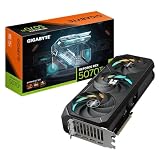
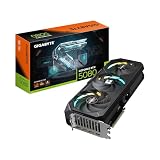
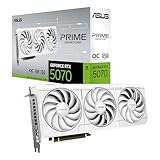
The RTX 5070 and RTX 5070 Ti sit right at the heart of the 2026 mainstream-to-high-end sweet spot, and choosing between them is one of the most consequential decisions in a modern gaming build. The 5070 Ti, seen in cards like the GIGABYTE RTX 5070 Ti Gaming OC 16G and the MSI Ventus 3X OC, brings more cores and a wider memory bus, while the standard RTX 5070 in models like the ASUS TUF Gaming RTX 5070 12GB targets a lower price for high-refresh 1440p.
This matchup matters because it defines your resolution ceiling, your VRAM headroom and how long the card stays comfortable as games get heavier. The Ti pushes toward 4K and future-proofing with 16GB of GDDR7, while the 5070 delivers outstanding 1440p value with 12GB. Getting the pick right means matching the extra cost of the Ti against the resolution and longevity you actually need. Here is how they compare in 2026.
As an Amazon Associate we earn from qualifying purchases at no extra cost to you. Product prices and availability are accurate as of the date shown and are subject to change.


⚡ Save on Your Next PC — Amazon Prime
Prime members get fast free shipping on the systems above, plus early access to Prime Day & Black Friday PC deals. New members get a 30-day free trial.
Watch: RTX 5070 vs 5070 Ti: Which to Buy in 2026? — Video Review
Quick Verdict
Choose the RTX 5070 Ti if you game at 4K, want maximum frame rates with ray tracing, or want extra VRAM headroom for the long haul. Choose the RTX 5070 if you play at 1440p high refresh and want the best price-to-performance, since it delivers most of the experience for meaningfully less money.
Key Differences
- Raw performance: the 5070 Ti has more CUDA cores and higher throughput for a solid lead in demanding titles, while the 5070 trails but stays very capable at 1440p.
- VRAM: the Ti carries 16GB of GDDR7 on a wider 256-bit bus, whereas the 5070 has 12GB, which matters at 4K and with heavy texture packs.
- Target resolution: the 5070 Ti is a genuine 4K and high-refresh 1440p card, while the 5070 is a 1440p high-refresh champion that can dip into entry 4K.
- Price and value: the 5070 costs less and wins on pure value, while the Ti asks a premium for its extra performance and memory.
- Power and cooling: the Ti draws more and runs a touch hotter, needing a slightly beefier PSU and case airflow than the more efficient 5070.
- Longevity: the Ti’s extra cores and VRAM give more headroom for future games, while the 5070 remains excellent value for the next few years at 1440p.
RTX 5070 Ti: The 4K and Future-Proof Pick
The RTX 5070 Ti is the card to buy when you want to push resolution and stay comfortable for years. With more cores and 16GB of GDDR7 on a 256-bit bus, versions like the MSI Gaming RTX 5070 Ti Gaming Trio OC and the GIGABYTE RTX 5070 Ti Eagle OC ICE SFF handle 4K gaming, aggressive ray tracing and high-refresh 1440p with room to spare. The wider memory bus and larger frame buffer are exactly what heavy modern textures and future titles demand.
That headroom is the Ti’s real selling point. The extra VRAM means you are far less likely to hit a memory wall as games grow, and the additional compute keeps frame rates high with DLSS and frame generation enabled. It costs more, draws a bit more power and runs slightly warmer, so plan for a capable PSU and good airflow. But for 4K players and anyone who wants the longest usable life from a single upgrade, the 5070 Ti is the confident choice.
RTX 5070: The 1440p Value Champion
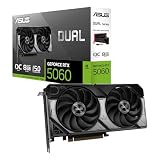
The RTX 5070 is built to deliver the best experience per dollar at the resolution most gamers actually use. With 12GB of GDDR7 and strong core performance, a card like the ASUS TUF Gaming RTX 5070 12GB drives high-refresh 1440p beautifully, keeps ray tracing playable with DLSS, and runs cooler and more efficiently than the Ti. For the majority of builders on a 1440p monitor, it hits the sweet spot.
Value is where the 5070 shines. It captures a large share of the Ti’s real-world gaming feel for noticeably less money, which frees budget for a better CPU, more storage or a nicer monitor. The compromises are the 12GB frame buffer and lower ceiling at native 4K, so if you are firmly a 1440p player and not chasing maxed-out 4K, the 5070 is the smarter spend and remains a strong performer well into the coming years.
Which Should You Buy?
- For 4K gaming: pick the RTX 5070 Ti because its extra cores and 16GB VRAM handle high resolution with headroom.
- For 1440p high refresh on a budget: pick the RTX 5070 for the best price-to-performance.
- For maximum future-proofing: pick the 5070 Ti so the larger frame buffer lasts through heavier games.
- For a balanced all-round build: pick the RTX 5070 and put the savings toward CPU, storage or your display.
- For heavy ray tracing and content work: pick the 5070 Ti, since the extra compute and memory help in demanding workloads.
Frequently Asked Questions
Is the RTX 5070 Ti worth the extra money over the 5070?
If you game at 4K or want long-term VRAM headroom, yes. If you play at 1440p and value price-to-performance, the RTX 5070 gives you most of the experience for less.
Is 12GB of VRAM enough on the RTX 5070 in 2026?
For 1440p gaming, 12GB is generally sufficient today. At 4K or with very heavy texture packs the 16GB on the 5070 Ti provides more comfortable headroom.
Can the RTX 5070 handle 4K gaming?
It can play many titles at 4K, especially with DLSS, but the 5070 Ti is the better native-4K card thanks to its extra cores and wider memory bus.
Do I need a bigger power supply for the 5070 Ti?
The Ti draws more power than the 5070, so budget for a slightly higher-wattage, quality PSU and ensure good case airflow to keep temperatures in check.
Final Verdict
Both cards are excellent in 2026, and the decision hinges on resolution and budget. Buy the RTX 5070 Ti for 4K gaming, heavy ray tracing and maximum future-proofing thanks to its 16GB of VRAM and extra cores, or buy the RTX 5070 for outstanding 1440p high-refresh value that leaves room in the budget for the rest of your build. Match the card to your monitor and your wallet, and either delivers a superb experience.