Key takeaways
- Performance: In pure rasterization the RX 9070 XT generally holds an edge, often trading blows with cards a tier above it, while the RTX 5070 closes or reverses the gap once DLSS 4 and frame generation are in play.
- Memory: The 9070 XT’s 16GB of GDDR6 is a clear advantage over the RTX 5070’s 12GB, giving it more comfort at high textures and higher resolutions where VRAM pressure builds.
- Ray tracing: The RTX 5070 pulls ahead in heavy ray-traced titles thanks to Nvidia’s more mature RT hardware, so path-tracing enthusiasts will prefer it despite the 9070 XT’s improved RDNA 4 RT.
- Upscaling: DLSS 4 remains the gold standard and is broadly supported, whereas AMD’s FSR has improved considerably; the gap has narrowed but Nvidia still leads on image quality and game coverage.
- Price and value: The RX 9070 XT typically offers more raw performance per dollar in rasterization, making it the value pick for players who prioritize native frame rates over feature extras.
- Ecosystem: Nvidia’s software stack, from broad DLSS support to features like Reflex and strong creator app compatibility, is more established, which can tip the balance for streamers and content creators.
What's inside
AMD’s Radeon RX 9070 XT and Nvidia’s GeForce RTX 5070 land at a fiercely contested price point in 2026, and choosing between them is one of the trickiest calls in the whole mid-to-high-end market. The 9070 XT brings AMD’s RDNA 4 architecture and a generous 16GB of GDDR6, while the RTX 5070 counters with Blackwell efficiency, mature DLSS 4 upscaling, and Nvidia’s broad software ecosystem.
This is not a simple faster-versus-cheaper matchup; it is a genuine trade-off between raw rasterization value and feature-set polish. Getting it right matters because these two cards target the same buyers building a high-refresh 1440p or entry-4K rig, and the winner for you depends heavily on which games you play, whether you lean on upscaling, and how much you care about ray tracing.
As an Amazon Associate we earn from qualifying purchases at no extra cost to you. Product prices and availability are accurate as of the date shown and are subject to change.




⚡ Save on Your Next PC — Amazon Prime
Prime members get fast free shipping on the systems above, plus early access to Prime Day & Black Friday PC deals. New members get a 30-day free trial.
Watch: RX 9070 XT vs RTX 5070: 2026 Comparison — Video Review
Quick Verdict
Choose the RX 9070 XT if you want more VRAM and the strongest raw rasterization value, especially for high-refresh 1440p gaming; choose the RTX 5070 if you prioritize best-in-class DLSS 4 upscaling, superior ray tracing, and the wider Nvidia software ecosystem, and are comfortable with 12GB of VRAM.
Key Differences
- Performance: In pure rasterization the RX 9070 XT generally holds an edge, often trading blows with cards a tier above it, while the RTX 5070 closes or reverses the gap once DLSS 4 and frame generation are in play.
- Memory: The 9070 XT’s 16GB of GDDR6 is a clear advantage over the RTX 5070’s 12GB, giving it more comfort at high textures and higher resolutions where VRAM pressure builds.
- Ray tracing: The RTX 5070 pulls ahead in heavy ray-traced titles thanks to Nvidia’s more mature RT hardware, so path-tracing enthusiasts will prefer it despite the 9070 XT’s improved RDNA 4 RT.
- Upscaling: DLSS 4 remains the gold standard and is broadly supported, whereas AMD’s FSR has improved considerably; the gap has narrowed but Nvidia still leads on image quality and game coverage.
- Price and value: The RX 9070 XT typically offers more raw performance per dollar in rasterization, making it the value pick for players who prioritize native frame rates over feature extras.
- Ecosystem: Nvidia’s software stack, from broad DLSS support to features like Reflex and strong creator app compatibility, is more established, which can tip the balance for streamers and content creators.
RX 9070 XT: Rasterization Value and VRAM Headroom
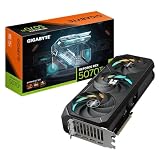
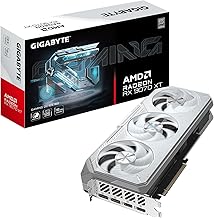
The Radeon RX 9070 XT is the card to pick when you want maximum traditional performance for your money and value the security of 16GB of VRAM. Partner cards such as the ASUS TUF Gaming RX 9070 XT, the Gigabyte RX 9070 XT Gaming OC, and the XFX Swift and Mercury models pair strong RDNA 4 silicon with robust triple-fan coolers, letting the GPU sustain high clocks for smooth high-refresh 1440p play. In many raster-heavy titles it punches above its price bracket.
That extra memory also gives it staying power as games grow more demanding, reducing the chance of hitting a VRAM wall at high textures or 4K. RDNA 4 meaningfully improves AMD’s ray tracing and FSR upscaling too, so while it still trails Nvidia in those areas, it is far more competitive than previous generations. For gamers who mostly want fast, native frame rates at a keen price, the 9070 XT is a compelling, well-rounded choice.
RTX 5070: DLSS 4, Ray Tracing, and Ecosystem Polish
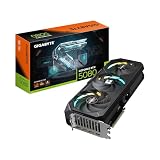
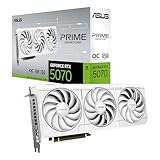
The GeForce RTX 5070 is the pick for players who lean into modern features, where Nvidia’s advantages are hardest to ignore. DLSS 4 with Multi Frame Generation is the most refined upscaling solution available and is supported in a huge number of games, often letting the 5070 match or exceed the 9070 XT’s smoothness in titles where AMD relies on native rendering. In heavy ray-traced games the 5070’s superior RT hardware is a decisive strength.
Beyond raw play, Nvidia’s ecosystem carries real weight: Reflex for lower latency, strong support in creative and streaming apps, and broad developer adoption of its technologies. The main compromise is 12GB of VRAM, which is adequate today but leaves less headroom than the 9070 XT for the most demanding future titles. If your priorities are image quality from upscaling and ray tracing rather than raw raster value, the 5070 is the more forward-looking option.
Which Should You Buy?
- For high-refresh 1440p on a budget: pick the RX 9070 XT because its rasterization value and 16GB of VRAM deliver the most native frames per dollar.
- For ray tracing and path tracing: pick the RTX 5070 because Nvidia’s more mature RT hardware handles heavy ray-traced titles better.
- For the best upscaling image quality: pick the RTX 5070 since DLSS 4 remains the leader in quality and game support.
- For future VRAM headroom: pick the RX 9070 XT because its extra 4GB provides more comfort as games grow more memory-hungry.
- For streaming and content creation: pick the RTX 5070 for its stronger ecosystem support across creative and broadcasting applications.
Frequently Asked Questions
Which is faster, the RX 9070 XT or RTX 5070?
In raw rasterization the RX 9070 XT is usually the faster card, but the RTX 5070 can match or surpass it in real-world smoothness when DLSS 4 and frame generation are enabled, and it leads clearly in heavy ray-traced games.
Does the extra VRAM on the 9070 XT matter?
Yes, its 16GB versus the 5070’s 12GB gives more headroom at high textures and higher resolutions, which can help in memory-intensive modern titles and offers better peace of mind for the future.
Is DLSS 4 better than AMD’s FSR?
DLSS 4 is still regarded as the leader in image quality and is supported in more games, though AMD’s FSR has improved significantly with RDNA 4. If upscaling quality is a priority, the RTX 5070 has the edge.
Which card is better for ray tracing?
The RTX 5070 is better for ray tracing thanks to Nvidia’s more mature RT hardware, making it the stronger choice for demanding path-traced and ray-traced games, even though the 9070 XT has improved in this area.
Final Verdict
This is one of the closest matchups of 2026, and the right answer hinges on what you value. The RX 9070 XT wins on raw rasterization value and VRAM, making it the smart pick for high-refresh 1440p gamers who want native frames per dollar, while the RTX 5070 is the choice for those who prize DLSS 4, superior ray tracing, and Nvidia’s polished ecosystem. Weigh the games you actually play and whether you lean on upscaling, and either card will serve a great high-end build.