Key takeaways
- Old, dried paste is a top cause of creeping temperatures; repasting a two or three year old build often drops peak temps by 5 to 15 degrees.
- A quality paste like Thermal Grizzly Kryonaut or Noctua NT-H2 makes a measurable difference over cheap bundled compound.
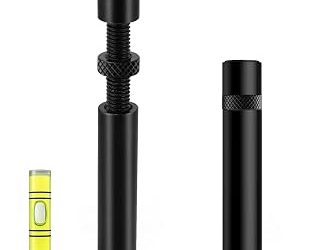
- On Intel LGA 1700, a contact frame such as an anti-bending bracket corrects the socket flex that causes uneven cooler contact and hot spots.
- Reseat the cooler evenly; uneven mounting pressure leaves part of the die poorly cooled.
What's inside
A hot CPU is more than a number to worry about. When your processor pushes past 90 to 95 degrees Celsius under load, it starts thermal throttling, dropping clock speeds to protect itself, which shows up in game as lower FPS and stutter. Getting temperatures under control means your CPU can hold its boost clocks longer, run quieter, and last longer. The good news is that most temperature problems have straightforward fixes that do not require a new cooler.
This guide covers everything from quick airflow tweaks to repasting and cooler upgrades, with real target numbers so you know what good looks like. Whether you are dealing with an Intel 12th to 14th Gen chip or an AMD Ryzen on AM5, the same principles apply, and by the end you will know exactly where your heat is coming from.
As an Amazon Associate we earn from qualifying purchases at no extra cost to you. Product prices and availability are accurate as of the date shown and are subject to change.



⚡ Save on Your Next PC — Amazon Prime
Prime members get fast free shipping on the systems above, plus early access to Prime Day & Black Friday PC deals. New members get a 30-day free trial.
Watch: How to Lower CPU Temperatures — Video Review
Know Your Target Temperatures
Before changing anything, understand what is normal. At idle, a healthy desktop CPU sits around 30 to 45 degrees Celsius. Under a full gaming load, 60 to 80 degrees is perfectly fine. Sustained temperatures above 90 degrees during gaming signal a cooling problem worth fixing. Modern chips are rated to run up to around 100 degrees before throttling, but living at that ceiling costs you performance and longevity. Use a monitoring tool to log your temperatures during a 20-minute gaming session so you have a baseline to compare against after each change.
Improve Case Airflow First
Before touching your cooler, fix airflow, because even the best cooler chokes in a poorly ventilated case. Aim for positive or neutral pressure with intake fans at the front and bottom and exhaust at the rear and top. Make sure fans are actually spinning the right direction and are not blocked by cables or dust filters clogged with debris. A tidy cable-managed case with a clear front-to-back airflow path can drop CPU temperatures by 5 to 10 degrees on its own.
Reapply Thermal Paste and Check Mounting
- Old, dried paste is a top cause of creeping temperatures; repasting a two or three year old build often drops peak temps by 5 to 15 degrees.
- A quality paste like Thermal Grizzly Kryonaut or Noctua NT-H2 makes a measurable difference over cheap bundled compound.
- On Intel LGA 1700, a contact frame such as an anti-bending bracket corrects the socket flex that causes uneven cooler contact and hot spots.
- Reseat the cooler evenly; uneven mounting pressure leaves part of the die poorly cooled.
Upgrade Your Cooler if Needed
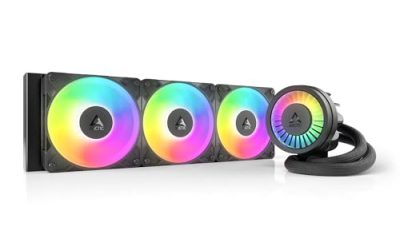
If airflow and paste are dialed in and you still throttle, the cooler itself may be undersized. A modern high-performance air tower or a 240mm to 360mm AIO like the Thermalright Assassin X 120R Digital for air or a larger liquid unit handles hot chips comfortably. Match the cooler to your CPU’s power draw: a 65W chip is happy on a mid-size tower, while a 200W-plus overclocked flagship wants a 280mm or 360mm radiator to stay cool under sustained load.
Tune Power and Voltage Settings
You can lower temperatures without touching hardware by reducing how hard the CPU pushes itself. Undervolting, where you lower the voltage while keeping clocks, is the single most effective trick: many chips run 5 to 15 degrees cooler with a small negative offset while losing little or no performance. Alternatively, enabling Eco Mode on Ryzen or lowering the power limit on Intel caps heat output dramatically for a tiny FPS loss that you will rarely notice in games.
Tips to Keep Temperatures Low
- Blow dust out of the cooler fins and fans every three to six months; a clogged heatsink loses efficiency fast.
- Keep your room ambient temperature reasonable, since case air is only ever as cool as the room it draws from.
- Set a sensible fan curve so fans ramp up under load rather than staying quiet while the CPU cooks.
- Recheck temperatures after any BIOS update, which can reset power limits and fan profiles.
Frequently Asked Questions
What CPU temperature is too high for gaming?
Consistently above 90 degrees Celsius under a gaming load is the point where you should intervene. Brief spikes to the mid-90s during heavy stress tests are tolerable, but sustained high-80s to 90s while gaming means your cooling needs attention.
Does undervolting reduce performance?
Usually not in any meaningful way. A well-tuned undervolt keeps clock speeds the same while lowering voltage and heat. If you go too aggressive you get instability, so test carefully, but most chips have headroom for a 5 to 15 degree drop with no FPS loss.
How often should I replace thermal paste?
Every two to three years for most users, or sooner if you notice temperatures climbing over time. High-quality pastes last longer, while cheap compound can dry out and degrade within a year or two.
Is a liquid cooler always better than air?
Not necessarily. A large air tower can match a 240mm AIO on many chips while being cheaper and having no pump to fail. Liquid pulls ahead on very high-wattage processors where a big radiator dumps heat more effectively.
Conclusion
Lowering CPU temperatures is a systematic process, not a single purchase. Start with airflow, verify your thermal paste and mounting, upgrade the cooler only if you genuinely need to, and finish with an undervolt or power limit to cap heat at the source. Work through these steps and you will keep your processor comfortably in the 60s and 70s under load, holding full boost clocks and delivering the frame rates your hardware was built for.