Key takeaways
- Capacity target: 32GB is the real 2026 baseline for 4K editing; 16GB only suits 1080p, and 64GB pays off for heavy After Effects or 6K/8K work.
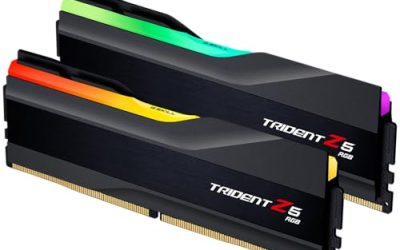
- Dual channel: On desktops, always run two matched sticks rather than one to double memory bandwidth.
- Memory speed: DDR5-6000 is the AM5 sweet spot; fast LPDDR5 in modern laptops keeps integrated graphics fed.
- Balance the system: Pair ample RAM with a fast NVMe scratch disk and a capable CPU so memory is not the only upgrade.
- Headroom: Leave upgrade room, or buy 32GB now, if you expect projects to grow in resolution over time.
What's inside
Video editing is one of the few tasks that will happily consume every gigabyte of RAM you give it. Timelines with 4K footage, background renders, and a browser full of reference tabs push past 16GB quickly, and once you hit the wall the app starts swapping to disk and previews stutter. For smooth 2026 editing, memory capacity is the single biggest lever you can pull.
Because a balanced machine beats a single fast part, we gathered the best ways to get generous, fast memory into your workflow, from turnkey creator laptops that ship with 32GB to compact mini PCs. Below are the picks that keep Premiere, Resolve, and After Effects responsive without stuttering previews.
As an Amazon Associate we earn from qualifying purchases at no extra cost to you. Product prices and availability are accurate as of the date shown and are subject to change.




⚡ Save on Your Next PC — Amazon Prime
Prime members get fast free shipping on the systems above, plus early access to Prime Day & Black Friday PC deals. New members get a 30-day free trial.
Watch: Best RAM for Video Editing — Video Review
How to Choose
- Capacity target: 32GB is the real 2026 baseline for 4K editing; 16GB only suits 1080p, and 64GB pays off for heavy After Effects or 6K/8K work.
- Dual channel: On desktops, always run two matched sticks rather than one to double memory bandwidth.
- Memory speed: DDR5-6000 is the AM5 sweet spot; fast LPDDR5 in modern laptops keeps integrated graphics fed.
- Balance the system: Pair ample RAM with a fast NVMe scratch disk and a capable CPU so memory is not the only upgrade.
- Headroom: Leave upgrade room, or buy 32GB now, if you expect projects to grow in resolution over time.
The Best Picks Reviewed
NIMO 17.3″ AI-Creator Laptop (32GB RAM, 1TB SSD)
Our top turnkey pick near $800. The 32GB of memory is exactly the sweet spot for 4K timelines, and the large 17-inch IPS panel gives you room for a proper editing layout. It is the easiest way to get editing-grade RAM without building anything.
Getorli Mini PC (Ryzen 7 6800H, 32GB LPDDR5)
The compact desktop pick near $540. It packs 32GB of fast LPDDR5 and triple 4K output into a tiny box, making a tidy, capable edit bay for tight spaces at a very fair price.
Lenovo 16″ i7-13620H (16GB DDR5, 1TB)
Around $1,000, this mainstream 16-inch machine uses fast DDR5 and a bright display for color work. The 16GB suits 1080p editing well; add an external SSD for cache to stretch it further.
NIMO 15.6″ 8-Core Ryzen 7 8745HS (16GB, 1TB)
Near $849, the 8-core CPU and Radeon 780M export quickly, and 100W fast charging keeps it portable. Best for 1080p and light 4K where 16GB is comfortable.
NIMO 15.6″ R5-6600H Creator (16GB, 512GB)
The budget entry around $550. A 6-core creator laptop with 16GB that handles casual editing and multitasking, ideal for students and hobbyists starting out before stepping up to 32GB.
Frequently Asked Questions
Is 16GB enough for video editing in 2026?
For 1080p and casual work, yes, but it is tight. For 4K timelines with effects and background rendering, 32GB is the comfortable standard that stops previews from stuttering.
Does RAM speed or capacity matter more for editing?
Capacity. Running out of RAM forces slow disk swapping, which hurts far more than the small gains from faster memory. Get enough capacity first, then chase speed.
Should I buy a creator laptop or build a desktop?
A 32GB laptop like the NIMO 17.3″ is best for portability and simplicity; a desktop with a big DDR5 kit offers more upgrade room and performance per dollar. Choose based on whether you edit on the move.
Do I need 64GB?
Only for heavy After Effects compositing, 6K/8K footage, or running virtual machines alongside editing. Most 4K editors are well served by 32GB.
Final Thoughts
For editing in 2026, treat 32GB as your baseline. The 32GB NIMO 17.3″ creator laptop is the easiest ready-to-go path, the Getorli mini PC is the compact desktop value, and the 16GB NIMO 15.6″ gets beginners started. Give your editor enough memory and previews stop stuttering for good.