Key takeaways
- Pros: gain, mix, and volume controls
- Pros: built-in headphone jack
- Pros: cardioid pattern for solo voice
- Cons: top of this budget
- Cons: basic table stand
The best USB microphones under $100 are the Sennheiser Profile for a cardioid condenser with a headphone jack and mix control, the Razer Seiren V3 Mini for a compact supercardioid mic, and the Blue Yeti Nano for a familiar plug-and-play desk mic. All six picks are compared from listing specifications.
Quick Comparison
| Model | Key specs per listing | Best for |
|---|---|---|
| Sennheiser Profile USB | Cardioid condenser, table stand, USB-C, mute, headphone jack, gain, mix, volume | Controls on the desk |
| Logitech Blue Yeti Nano | USB, plug and play, for gaming, streaming, podcasting | Simple setup |
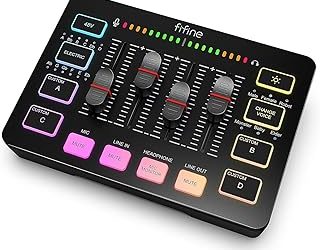
| FIFINE AmpliTank K688 | Dynamic, XLR/USB, mute, headphone jack, monitoring volume, windscreen | USB now, XLR later |
| Razer Seiren V3 Mini | Supercardioid condenser, tap-to-mute, shock absorber, ultra compact | Small desks |
| MAONO A04 | 192kHz/24Bit condenser, cardioid, metal, plug and play | Kit-style podcast mic |
| FIFINE AmpliGame AM8 | XLR/USB dynamic, RGB, mute, headphone jack, desktop stand | Gaming desks |
Sennheiser Professional Profile USB Microphone
Spec line: USB cardioid condenser mic with table stand, 1.2 m USB-C cable, mute button, built-in headphone jack, gain, mix, and volume control.
Sennheiser brings a trusted audio name to the budget with a clean set of desk controls. The listing mentions a mute button, a headphone jack, and dials for gain, mix, and volume, which saves you from digging into software settings. As a cardioid condenser it is good at isolating a single voice in front of it, but it still picks up room reflections. The trade-off is that this is the top of the budget range, and the table stand is basic, so a boom arm adds to the total. It is the strongest all-round choice for calls, voice work, and light streaming.
- Pros: gain, mix, and volume controls
- Pros: built-in headphone jack
- Pros: cardioid pattern for solo voice
- Cons: top of this budget
- Cons: basic table stand
Logitech Blue Yeti Nano USB Microphone
Spec line: USB mic for gaming, streaming, podcasting, Twitch, YouTube, Discord, and recording on PC and Mac, plug and play, blackout.
The Yeti Nano is a smaller sibling of the original Yeti, and the listing positions it for streamers and Discord chats. It is plug and play, which makes it a good first USB mic. The listing text we compared does not detail pickup patterns or sample rate, so check the maker page for specs. The trade-off is that condenser mics at this size still pick up keyboard noise, and the stand is fixed height, so desk position matters. It is a safe pick when you want a recognizable name and a tidy setup.
- Pros: plug and play
- Pros: compact for a Yeti
- Pros: common with games and apps
- Cons: specs thin in the compared text
- Cons: picks up keyboard noise
FIFINE AmpliTank K688 Dynamic Microphone
Spec line: dynamic XLR/USB mic, metal body, mute, headphone jack, monitoring volume control, windscreen.
The K688 is a dynamic mic with both USB and XLR outputs, so you can start on USB and move to an interface later. Dynamic capsules reject room noise, which makes them a good match for a bedroom or small office. The listing mentions a windscreen, mute button, and headphone jack with monitoring volume. The trade-off is that dynamic mics need to be close to your mouth, usually a few inches, and the listing does not mention a stand in the compared text. If you want to avoid room echo and want an upgrade path, this is the best structural choice in the group.
- Pros: USB and XLR outputs
- Pros: dynamic capsule reduces room noise
- Pros: headphone jack with monitoring
- Cons: needs close positioning
- Cons: stand not mentioned in the text
Razer Seiren V3 Mini USB Microphone
Spec line: supercardioid condenser, tap-to-mute sensor with LED indicator, shock absorber, ultra compact, works with OBS, Discord, Zoom, Teams.
The Seiren V3 Mini is the compact option for small desks. A supercardioid pattern is narrower than cardioid, so it focuses tightly on what is in front of it, which can help with room noise as long as you stay on-axis. The listing mentions a tap-to-mute sensor with an LED and a built-in shock absorber. The trade-off is that a narrow pickup means you must stay centered, and small mics have less presence than larger ones. It suits solo streams, calls, and meetings where space matters more than studio sound.
- Pros: ultra compact
- Pros: tap-to-mute with LED
- Pros: works with OBS, Discord, Zoom, Teams
- Cons: narrow pickup requires staying centered
- Cons: less body than larger mics
MAONO A04 USB Microphone Kit
Spec line: 192kHz/24-bit condenser mic kit, cardioid pickup, metal body, plug and play, pro sound chipset, for recording, gaming, and streaming.
The A04 is sold as a kit, and the listing highlights a 192kHz/24-bit specification, which is higher than many USB mics list. High sample rates are mostly a headline number, since the real difference comes from placement and room, but they do not hurt. The cardioid condenser design suits solo voice at a desk. The trade-off is brand recognition and documentation, which are thinner than Sennheiser or Logitech, so check the maker page for what accessories are included. It is a reasonable pick for podcasters who want a kit-style mic.
- Pros: 192kHz/24-bit listed
- Pros: metal build
- Pros: plug and play
- Cons: sample rate is mostly a headline spec
- Cons: less documented kit contents
FIFINE AmpliGame AM8 USB/XLR Dynamic Microphone
Spec line: XLR/USB dynamic mic, RGB light, mute button, headphone jack, desktop stand, for streaming, podcast, and vocal recording.
This is the gaming-flavored version in the list, with RGB lighting and a desktop stand included. Like the K688, it is a dynamic mic with USB and XLR outputs, so noise rejection and upgrade potential are strong points. The listing mentions a mute button and headphone jack for monitoring. The trade-off is that two FIFINE mics in one list overlap a bit, so choose one based on look: the AM8 adds RGB and a stand, while the K688 is plainer. Dynamic mics still need close placement to sound their best.
- Pros: RGB lighting
- Pros: desktop stand included
- Pros: USB and XLR outputs
- Cons: overlaps with the K688
- Cons: close mic placement required
USB Microphones for Home Office, Small Spaces, and Gaming
Home office
For video calls, choose a mic with a mute button and simple controls. The Sennheiser Profile and the Razer Seiren V3 Mini both offer mute, and both work with common meeting apps such as Zoom and Teams.
Small spaces
The Razer Seiren V3 Mini is the most compact option. Dynamic models like the FIFINE K688 can help in a reflective room because they pick up less echo, though they need to sit closer to your mouth.
Gaming
Gamers who stream or chat on Discord should look at dynamic mics for noisy keyboards. The FIFINE AM8 adds RGB, and the Yeti Nano is a simple plug-and-play option if you play in a quiet room.
Setup tips
Set your input gain so the loudest part of your speech sits near the middle of the meter, and keep the mic out of the direct path of fans or vents. A small change in distance usually matters more than the model.
Common Mistakes When Buying a USB Microphone
Chasing sample rate
Numbers like 192kHz look impressive, but voice clarity depends far more on placement, room, and mic type. Treat high sample rates as a minor bonus rather than a deciding factor.
Using a condenser in a noisy room
Condensers pick up keyboard noise, fans, and echo. If your room is not quiet, a dynamic model like the FIFINE K688 will sound cleaner when used close.
Skipping the mute control
On calls, a physical or tap mute saves awkward moments. The Sennheiser, Razer, and FIFINE listings all mention a mute function, which is worth more than many spec lines.
Not checking the connector
USB-C and USB-A are both common. Confirm what your PC offers and whether the mic ships with a suitable cable, since a missing adapter can delay setup.
Matching a Mic to Your Daily Use
If most of your use is video calls, choose on controls and size. The Razer Seiren V3 Mini and Sennheiser Profile give you quick mute and a clean look. If you stream or record voice-overs, a dynamic hybrid like the FIFINE K688 or AM8 helps in untreated rooms and leaves room to grow. If you do a bit of everything in a quiet room, a straightforward USB condenser like the Blue Yeti Nano or MAONO A04 is enough. Check the cable length too: a mic on a shelf or arm may need more reach than the default cable provides. Finally, keep an eye on desk noise. A mic on a desk stand picks up bumps and typing, so a small boom arm or a foam pad underneath can make a bigger difference than any spec on the box. Treat the first week as a tuning period: adjust gain, distance, and angle until your voice sounds even. Record a short clip, listen back on headphones, and compare it to your laptop microphone so you can hear the improvement. If a mic sounds thin or harsh, try moving it a few inches or turning down the gain before blaming the hardware, since small adjustments solve most problems.
How to Choose Under $100
Condenser or dynamic
Condensers capture detail and suit quiet rooms. Dynamics reject noise and suit untreated rooms. Both types sit under $100, so pick based on where you record.
Check for desk controls
A physical mute button, headphone jack, and gain dial are worth more than extra specs on a call-heavy day. The Sennheiser and FIFINE listings include them.
Think about growth
USB/XLR hybrids give you an upgrade path. If you may buy an interface later, a hybrid like the K688 or AM8 will not need replacing.
Account for the stand
Table stands pick up vibration. A boom arm helps with desk noise and frees space, so factor it into your plan even if the mic ships with a stand.
FAQ
Is a USB microphone good enough for streaming?
Yes. Modern USB mics offer solid quality for streaming and calls. Choose a dynamic model for noisy rooms or a condenser for quiet ones.
Are USB microphones good for a home office?
Yes, a USB microphone for home office calls is easy to set up and improves voice clarity. Look for a mute button and headphone jack.
Which USB microphone fits small spaces?
The Razer Seiren V3 Mini is the most compact in this list. Dynamic mics also help in small rooms by picking up less echo.
Which USB microphone is best for gaming?
For gaming, a dynamic mic like the FIFINE AM8 or K688 handles keyboard noise well. The Yeti Nano is a simple choice for quiet rooms.
Do I need a pop filter?
A pop filter or windscreen helps with plosive sounds on condensers. Some listings include a windscreen, so check before buying one separately.
Last updated: November 2026
FAQ
Is a USB microphone good enough for streaming?
Are USB microphones good for a home office?
Which USB microphone fits small spaces?
Which USB microphone is best for gaming?
Do I need a pop filter?
More from Amazon
Programs that pair well with the guide above. Offers and eligibility are set by Amazon and may change.
Free shipping on eligible items, Prime Video and more. Eligible new members can start with a free trial.
Start a Prime free trialAd-free music streaming. Eligible new subscribers can start with a free trial.
Try Music Unlimited freeA Prime membership for ages 18-24 with a trial period. Eligibility is set by Amazon.
See Prime for Young AdultsAudiobooks and podcasts to listen to on the go. Eligible new members can start with a free trial.
Try Audible freeAs an Amazon Associate we earn from qualifying purchases.