Key takeaways
- Convincing glasses-free 3D via eye-tracking technology.
- Excellent 2D specs, 4K, 165Hz, and fast response on the Samsung.
- Real-time 3D rendering for compatible games and content.
- No eyewear means comfortable, immersive viewing.
What's inside
Glasses-free 3D has finally arrived on the desktop, and it’s genuinely impressive. A 3D computer monitor with no glasses uses eye-tracking and lenticular or spatial display technology to project depth directly to your eyes, no cumbersome eyewear required, turning compatible games and content into a window with real dimensionality.
This is a young, premium category, so the options are few but striking. Understanding how the technology works and which displays deliver on the promise helps you decide if glasses-free 3D belongs on your desk. Here’s the rundown.
As an Amazon Associate we earn from qualifying purchases at no extra cost to you. Product prices and availability are accurate as of the date shown and are subject to change.


🎮 Get More From Your Setup — Free
Prime Gaming gives you free PC games every month, in-game loot, and a free Twitch channel sub — plus fast free shipping on all the gear above. New members get a 30-day free trial.
Watch: 3d Computer Monitor No Glasses — Video Review
Design & Build
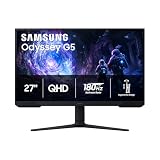
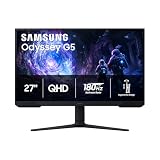
The leaders here are Samsung and Acer. Samsung’s Odyssey 3D (G90XF) is a 27-inch 4K gaming monitor with a 165Hz refresh, glasses-free 3D, and an ergonomic stand, available with an extended protection plan in some bundles. Acer’s Predator SpatialLabs View 27 takes a similar 27-inch Ultra HD stereoscopic 3D approach with eye tracking, real-time rendering, and AI technologies. Both are premium, well-built displays with the sensors and lenticular layers needed for the 3D effect. The category also includes AR alternatives like the RayNeo Air 4 Pro glasses, which project a large virtual 3D display, a different route to a similar goal.
Performance
The glasses-free 3D effect relies on eye tracking that follows your head position and directs a separate image to each eye, creating convincing depth. The Samsung Odyssey 3D and Acer Predator SpatialLabs View both deliver this impressively in supported content and games, with real-time rendering converting compatible titles into 3D on the fly. As standard monitors, they’re excellent too: the Samsung’s 4K 165Hz panel with 1ms response and FreeSync Premium makes it a top-tier gaming display even in 2D mode. The main considerations are content support (the 3D effect works best in optimized games and media) and the optimal single-viewer positioning the tracking requires. When it clicks, though, the sense of depth is remarkable.
Pros & Cons
- Convincing glasses-free 3D via eye-tracking technology.
- Excellent 2D specs, 4K, 165Hz, and fast response on the Samsung.
- Real-time 3D rendering for compatible games and content.
- No eyewear means comfortable, immersive viewing.
- Premium pricing for an emerging technology.
- Content support is still growing; the effect shines in optimized titles.
- Single-viewer positioning is required for the tracking to work.
Alternatives to Consider
If you want immersive 3D on a budget, AR glasses like the RayNeo Air 4 Pro project a large virtual display and cost less than a dedicated 3D monitor, though they’re a different experience. For traditional immersion, a VR headset delivers full 3D worlds. But for a desktop that doubles as a superb 2D gaming monitor and a glasses-free 3D showcase, the Samsung and Acer displays are the pick.
Frequently Asked Questions
How does glasses-free 3D work?
Eye-tracking cameras follow your head position and direct a separate image to each eye through a lenticular layer, creating depth without glasses.
Does it work with all games?
The effect is best in optimized titles and content. Real-time rendering can convert many compatible games, but support is still expanding.
Can multiple people view the 3D at once?
Generally no, the eye tracking targets a single viewer’s position, so it’s designed for one person at a time.
Is the Samsung Odyssey 3D good as a regular monitor?
Very much so. Its 4K 165Hz panel with 1ms response and FreeSync Premium makes it an excellent 2D gaming display even without the 3D mode.
Verdict
A glasses-free 3D monitor is a genuine glimpse of the future, and it’s already delivering. The Samsung Odyssey 3D (G90XF) is the standout, pairing convincing eye-tracked 3D with a superb 4K 165Hz gaming panel, while the Acer Predator SpatialLabs View offers a strong stereoscopic alternative. If you’re an early adopter who wants immersive depth without eyewear and a top-tier 2D display, these monitors are worth the premium.