Key takeaways
- Resolution and size: 1440p on a 27-inch to 34-inch panel hits the sweet spot for clarity and performance. Match the resolution to what your GPU can drive.
- Refresh rate: 144Hz is a great baseline, while 165Hz to 240Hz and beyond rewards competitive players with ultra-smooth motion.
- Panel type: Fast IPS balances color and speed, OLED delivers unmatched contrast, and VA offers deep blacks. Choose based on your priorities.
- Adaptive sync: FreeSync or G-Sync compatibility eliminates screen tearing for a smoother experience, especially at variable frame rates.
- Response time and HDR: A 1ms response reduces blur in fast games, while HDR support adds punch to highlights in supported titles.
What's inside
Your monitor is the window into every game you play, and upgrading it can transform your experience more dramatically than almost any other component. High refresh rates smooth out fast action, low response times sharpen competitive edges, and modern panels deliver colors and contrast that make worlds come alive.
The 2026 monitor market spans blazing QD-OLED panels, immersive ultrawides, and affordable high-refresh workhorses. To help you choose, we’ve rounded up standout gaming monitors across sizes and price points, breaking down what matters so you can find the perfect fit for your setup.
As an Amazon Associate we earn from qualifying purchases at no extra cost to you. Product prices and availability are accurate as of the date shown and are subject to change.


🎮 Get More From Your Setup — Free
Prime Gaming gives you free PC games every month, in-game loot, and a free Twitch channel sub — plus fast free shipping on all the gear above. New members get a 30-day free trial.
Watch: Best Gaming Monitors — Video Review
How to Choose a Gaming Monitor
- Resolution and size: 1440p on a 27-inch to 34-inch panel hits the sweet spot for clarity and performance. Match the resolution to what your GPU can drive.
- Refresh rate: 144Hz is a great baseline, while 165Hz to 240Hz and beyond rewards competitive players with ultra-smooth motion.
- Panel type: Fast IPS balances color and speed, OLED delivers unmatched contrast, and VA offers deep blacks. Choose based on your priorities.
- Adaptive sync: FreeSync or G-Sync compatibility eliminates screen tearing for a smoother experience, especially at variable frame rates.
- Response time and HDR: A 1ms response reduces blur in fast games, while HDR support adds punch to highlights in supported titles.
The Best Gaming Monitors Reviewed
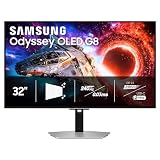
Samsung Odyssey OLED G6
The Odyssey OLED G6 pairs a QD-OLED panel with a blistering 240Hz refresh and near-instant 0.03ms response. It is the premium pick for players who want the best contrast and speed money can buy.
ASUS TUF Gaming VG27AQ3A
This 27-inch QHD monitor delivers 180Hz, 1ms, and a fast IPS panel with strong color coverage. It hits the sweet spot of performance and value for most gamers.
Alienware AW3425DWM
The Alienware 34-inch ultrawide brings a 1500R curve, WQHD resolution, and 180Hz refresh for deeply immersive gameplay. It is ideal for sim racers and single-player adventurers.
Samsung Odyssey G55C
This 32-inch curved QHD panel offers 165Hz, HDR10, and a 1000R curve for an enveloping experience. Its generous size and value make it a great all-rounder.
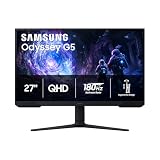
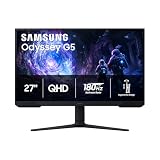
Samsung Odyssey G5 (G51F)
The 27-inch Odyssey G5 delivers QHD at 180Hz with FreeSync and a height-adjustable stand at a friendly price. It is a dependable choice for high-refresh 1440p gaming.
Frequently Asked Questions
Is 1440p or 4K better for gaming?
1440p offers a great balance of sharpness and high frame rates, making it the popular choice. 4K looks stunning but demands a powerful GPU to drive high refresh rates.
Do I need OLED or is IPS good enough?
OLED delivers superior contrast and response times for immersion, while fast IPS panels offer excellent color and value. Competitive players often find high-refresh IPS more than sufficient.
What refresh rate should I get?
144Hz is a strong baseline for smooth gameplay, while 165Hz to 240Hz benefits fast-paced esports. Ensure your GPU can push frame rates near your monitor’s ceiling.
Does screen curvature matter?
Curved panels enhance immersion on larger and ultrawide monitors by wrapping the image around your field of view. On smaller flat panels, the benefit is minimal.
Final Thoughts
The Samsung Odyssey OLED G6 is our top premium pick for its stunning image and speed, while the ASUS TUF VG27AQ3A offers the best balance of performance and value. For immersive single-player gaming, the Alienware AW3425DWM ultrawide is hard to beat.