Key takeaways
- Keyboard: A basic mechanical or membrane board is fine to start; you do not need premium switches to play well.
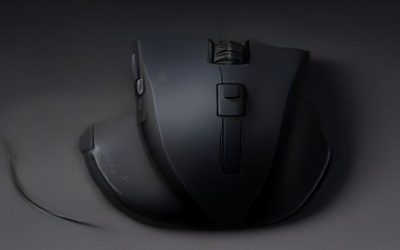
- Mouse: Match it to your hand size and grip style. Comfort and a reliable sensor matter far more than a huge DPI number.
- Controller: Keep one handy for platformers and racing games even if you play mostly on keyboard and mouse.
What's inside
- Watch: Best Gaming Setup for Beginners (2026 Guide) — Video Review
- Start With the Display, Not the Flashiest Part
- Audio: The Underrated Half of Immersion
- Choose an Input Setup You Can Grow Into
- Ergonomics and Space Planning
- Spend Where It Counts, Then Upgrade in Order
- Tips
- Related Guides
- Frequently Asked Questions
- Conclusion
- Related Articles
Putting together your first gaming setup is exciting, but it is also where most beginners overspend on the wrong things and underspend on the parts that actually shape how a game feels. A great starter setup is not about buying the most expensive gear on the shelf. It is about balancing a handful of core pieces so that your display, audio, input, and seating all work together instead of fighting each other. Get that balance right on a modest budget and your rig will feel far nicer than a pricey setup thrown together without a plan.
- Watch: Best Gaming Setup for Beginners (2026 Guide) — Video Review
- Start With the Display, Not the Flashiest Part
- Audio: The Underrated Half of Immersion
- Choose an Input Setup You Can Grow Into
- Ergonomics and Space Planning
- Spend Where It Counts, Then Upgrade in Order
- Tips
- Related Guides
- Frequently Asked Questions
- Conclusion
- Related Articles
In this guide you will learn how to think about each part of a beginner setup in 2026, what specifications genuinely matter versus what is marketing noise, and how to prioritize your spending so the first upgrade you make is the one that improves your experience the most. We will pay special attention to audio, because a good headset is one of the fastest ways to make gaming feel immersive and competitive without spending a fortune.
As an Amazon Associate we earn from qualifying purchases at no extra cost to you. Product prices and availability are accurate as of the date shown and are subject to change.






⚡ Save on Your Next PC — Amazon Prime
Prime members get fast free shipping on the systems above, plus early access to Prime Day & Black Friday PC deals. New members get a 30-day free trial.
Watch: Best Gaming Setup for Beginners (2026 Guide) — Video Review
Start With the Display, Not the Flashiest Part
Your monitor is the single component you stare at every second you play, so it deserves your attention first. For a beginner in 2026, a 24 to 27 inch 1080p panel running at 144Hz hits the sweet spot of clarity, smoothness, and price. Refresh rate is what makes motion feel fluid, and the jump from a standard 60Hz office monitor to 144Hz is the most noticeable upgrade a new gamer can experience. Do not obsess over 4K yet; at a beginner budget that resolution forces compromises everywhere else.
Audio: The Underrated Half of Immersion
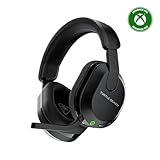
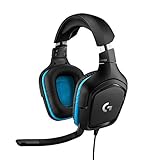
Sound does more competitive and immersive work than most beginners expect. Directional audio tells you where footsteps or gunfire are coming from, and clear voice chat keeps you coordinated with your team. A wired headset like the Razer BlackShark V2 X or the JBL Quantum 100M2 delivers excellent clarity and a solid microphone at an entry price, while the budget-friendly BENGOO G9000 and Logitech G432 are dependable first headsets. If you want to cut the cable, the Turtle Beach Stealth 600 and Logitech G522 Lightspeed offer wireless freedom without a huge premium. Prioritize a comfortable fit and a usable mic over flashy surround-sound labels.
Choose an Input Setup You Can Grow Into
- Keyboard: A basic mechanical or membrane board is fine to start; you do not need premium switches to play well.
- Mouse: Match it to your hand size and grip style. Comfort and a reliable sensor matter far more than a huge DPI number.
- Controller: Keep one handy for platformers and racing games even if you play mostly on keyboard and mouse.
Ergonomics and Space Planning
A setup that hurts to sit at is a setup you will not use. Position your monitor so the top of the screen is roughly at eye level and about an arm’s length away. Your chair should let your feet rest flat with your forearms parallel to the desk. Cheap upgrades like a monitor riser, a wrist-friendly desk edge, and good cable management reduce fatigue during long sessions and keep your desk from becoming a tangled mess.
Spend Where It Counts, Then Upgrade in Order
With a fixed budget, allocate the largest share to your monitor and headset because they define how the experience feels day to day. Spend moderately on your mouse and keyboard, and save the smallest amount for extras like RGB lighting or a fancy mousepad. When it is time to upgrade, follow the same logic: improve the part that limits your enjoyment most, whether that is a higher refresh rate panel or a wireless headset with longer battery life.
Tips
- Buy a headset with a detachable or flip-up mic so it doubles as everyday headphones.
- Test your monitor at its full refresh rate in your graphics settings; many ship set to 60Hz by default.
- Leave a little budget unspent for the accessory you discover you need after a week of play.
- Prioritize comfort for anything you touch or wear, since fatigue ruins long sessions faster than low specs.
Frequently Asked Questions
Do I need a surround-sound headset to play competitively?
No. A good stereo headset with accurate positional audio is enough for most players. Clear, comfortable, and well-imaged stereo often beats a poorly implemented virtual surround mode.
Should beginners choose wired or wireless gear?
Wired gear is cheaper, never needs charging, and has zero connection worries, which makes it ideal for a first setup. Choose wireless only if cable-free convenience genuinely matters to you.
Is a 144Hz monitor worth it over 60Hz for a new gamer?
Absolutely. The jump to 144Hz is the most immediately noticeable improvement most beginners feel, making aiming, scrolling, and general motion look dramatically smoother.
How much should I spend on my first setup?
Set a total budget and split it by impact: most to the monitor and headset, moderate to mouse and keyboard, least to cosmetic extras. A thoughtful mid-range setup beats a random expensive one.
Conclusion
A great beginner gaming setup comes from balance, not brand names. Put your money into the display and audio that shape every second of play, choose input gear that fits your hands, and keep your seating comfortable so you can enjoy long sessions. Nail those fundamentals in 2026 and you will have a rig that feels fantastic today and a clear, sensible path for every upgrade that follows.