Our Top Picks
 Redragon M711 Wired RGB Optical Gaming Mouse 100005 x 2.6 x 1.6 inches5 x 2.6 x 1.6 inches0.3 poundsCheck on Amazon
As an Amazon Associate, we earn from qualifying purchases made through links on this page.
A fixed budget is a useful way to shop for a gaming mouse, because this price band has a clear shape once you look at what is actually sold in it. Almost everything here is wired, almost everything uses an entry-level optical sensor with a gaming-grade polling rate, and the real differences come down to shell size, weight, button count and how good the software is. Spend time on those four things and the band stops looking like a compromise and starts looking like a category with genuine choices in it.
The five mice below were picked on manufacturer specifications and current listing evidence, and every one of them sits in this price band on Amazon US at the time of writing. Street prices in this tier move often, so treat the band as the tier these mice live in rather than a promise, and confirm the current figure on the product page before you buy. What you will not find in this band is also worth knowing up front: dependable wireless from the big brands, flagship sensors, and premium extras like swappable switches all live further up the range. What you can get is a mouse that tracks honestly, clicks reliably and fits your hand properly, which is most of what a gaming mouse does.
What to Look for in This Price Band
Judge the sensor by tracking behaviour, not the headline number. The DPI figure on the box is the least useful spec in this tier. Mice here advertise anywhere from 6,200 to 12,400 DPI, yet almost nobody plays above 3,200 DPI, and the number tells you nothing about whether the sensor stays composed during a fast flick. What matters is that the sensor is a recognised gaming-grade optical design that tracks without spinning out at the speeds your games demand. Every pick below uses a named optical sensor or a documented entry-level gaming sensor, and the sections note where a sensor is a simpler design.
A 1,000 Hz polling rate is the band standard, and it is enough. Polling rate describes how often the mouse reports its position to the PC. All five picks report at 1,000 Hz, which is the same headline rate as most wired gaming mice at any price. Higher polling rates exist further up the market, but at this level a clean 1,000 Hz wired connection is not the bottleneck in anyone’s aim.
Weight and shape decide comfort more than any electronic spec. This band spans ultralight shells under 60 grams to full-size ergonomic mice around and above 100 grams. Light mice suit fingertip and claw grips and fast, low-sensitivity aiming. Heavier sculpted mice suit palm grips and longer, steadier sessions. Hand size matters just as much: a compact shell that is perfect for a small hand will cramp a large one, so each section below states plainly who the shape fits and who it excludes.
Switches and buttons are where cheap mice usually fail first. Look for main switches with a stated click lifespan in the tens of millions where the manufacturer publishes one, and count the buttons your games actually need. Two thumb buttons cover most shooters. MMO and MOBA players benefit from more, and two picks below exist specifically for them. A dedicated DPI button is standard here and genuinely useful.
Software support separates the brands. Logitech and ASUS provide mature configuration tools for DPI steps, button remapping and lighting. Redragon’s software covers the same basics with a rougher finish. If you play on more than one computer, check whether your settings are stored on the mouse itself or only in the software, because that decides whether your setup travels with you.
1. Logitech G203 Lightsync — The Safe All-Rounder

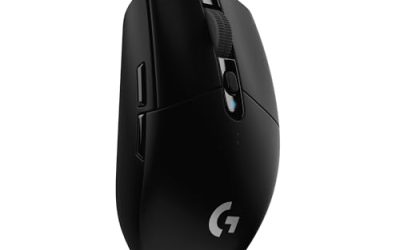
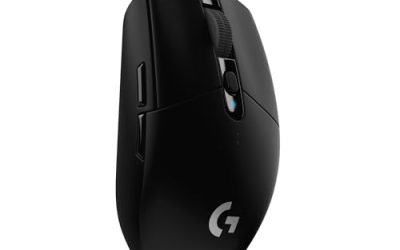
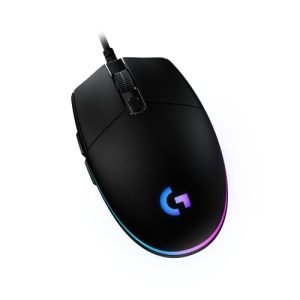
The G203 Lightsync is the default recommendation in this band for a reason: it is the pick with the fewest unknowns. Logitech’s gaming-grade optical sensor is rated to 8,000 DPI and tracks cleanly at the settings people actually use, the report rate is 1,000 Hz, and the six programmable buttons cover the layout most games expect, including a DPI cycle button behind the wheel. At 85 grams it sits in the middle of the weight range, light enough for claw and fingertip grips without feeling insubstantial in a palm grip.
The shape is a compact, near-symmetrical shell at 116.6 mm long, which suits small and medium hands best. LIGHTSYNC RGB lighting runs through Logitech’s G HUB software, where you also set DPI steps and remap buttons, and the main buttons use a metal spring tensioning system that keeps clicks crisp and consistent. For a first gaming mouse, or a dependable spare, this is the one to beat in the band.
Who it is for: first-time buyers and shooter players with small or medium hands who want proven software and a shape that works with every grip style.
Limitations: the shell is too small for large hands using a palm grip, the plain rubber cable can drag on the desk without a bungee, and the sensor is an entry design rather than Logitech’s flagship HERO line.
ASIN: B07YN82X3B — Logitech G203 Lightsync on Amazon
2. ASUS TUF Gaming M3 Gen II — Lightweight and Built to Survive

The TUF Gaming M3 Gen II is the durability pick. Its headline number is 59 grams, which makes it the lightest mouse here by a wide margin, and ASUS pairs that featherweight shell with an IP56 seal against dust and water plus an antibacterial surface coating, a combination nothing else in this band matches. Spilled drinks and dusty desks are realistic hazards for a budget setup, and this is the one mouse in the list designed with them in mind.
The sensor is an 8,000 DPI optical unit rated at 200 IPS tracking speed and 30 G acceleration, the six programmable buttons include the usual thumb pair and DPI switch, and the main switches are rated for 60 million clicks, the highest lifespan figure in this roundup. PTFE feet keep the glide smooth, and the RGB lighting syncs with other ASUS gear through Aura Sync, with settings handled in Armoury Crate. The ergonomic shell is shaped for right-handed claw and palm grips.
Who it is for: right-handed players who want the lightest possible mouse in the band, and anyone whose desk sees drinks, dust or shared use.
Limitations: left-handed players are excluded by the right-handed shell, the compact body can feel small under a large palm grip, and it is wired only, like everything else here.
ASIN: B0C1T2HL7L — ASUS TUF Gaming M3 Gen II on Amazon
3. Redragon M711 Cobra — The Big-Hand Value Pick
The Cobra is the traditional budget all-rounder shape done properly: a large ergonomic shell, 130 mm long and around 100 grams, that gives palm-grip players with bigger hands something substantial to hold. Inside is a PixArt PMW3325 optical sensor rated to 10,000 DPI with a 1,000 Hz polling rate, a proven entry-level gaming sensor that handles fast swipes without complaint at the sensitivities this band is played at.
Seven programmable buttons include two thumb buttons and a cluster behind the wheel for DPI and profile changes, and the main clicks use Omron switches. RGB lighting runs along the shell, the cable is braided for durability, and Redragon’s software handles remapping, macros and lighting with a basic but functional interface. If your hand size has ruled out the compact picks above, this is where to look.
Who it is for: palm-grip players with medium to large hands who want a full-size ergonomic mouse and a recognised PixArt sensor without leaving the band.
Limitations: at around 100 grams it is heavy by current standards and works against fast fingertip flicks, the braided cable is on the stiff side, and the software is less polished than Logitech or ASUS equivalents.
ASIN: B0751D11BL — Redragon M711 Cobra on Amazon
4. Redragon M612 Predator — The Most Buttons in the Band

The Predator answers a different question: how many buttons can this budget buy? The answer is eleven programmable buttons, including a dedicated rapid-fire key, which is more inputs than mice several times its price sometimes carry. For MOBA players who bind abilities, item actives and pings to the mouse, that count is the whole point, and the Redragon software supports custom keybinds and macros across all of them.
The optical sensor is rated to 8,000 DPI, the shell is a full-size right-handed ergonomic design with textured grips, and five RGB backlight modes handle the lighting. This is not a mouse built for sensor connoisseurs; the sensor is a straightforward entry design rather than a named flagship-class unit, and the tracking ceiling reflects that. What it delivers instead is input density and a comfortable long-session shape at the bottom of the band.
Who it is for: MOBA and casual MMO players who want maximum programmable buttons and macro support for the least money in this roundup.
Limitations: the sensor is a basic entry design that trails the named PixArt and Logitech units here in tracking refinement, the full-size shell is one of the heavier picks, and the software finish is rougher than the big brands.
ASIN: B08SJ5Z8JL — Redragon M612 Predator on Amazon
5. Redragon M908 Impact — The MMO Grid Mouse

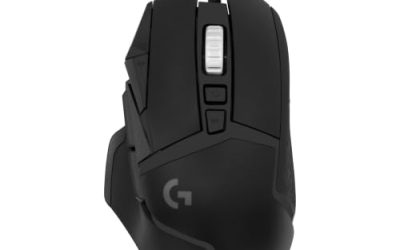
The Impact is the specialist: twelve numbered buttons in a thumb grid, eighteen programmable inputs in total, built for MMO players whose rotations live on the side of the mouse. The PixArt sensor is rated to 12,400 DPI, the polling rate is 1,000 Hz, and a tuning set of eight small weights lets you adjust the balance and heft of what is already the most substantial shell in this list. A full twelve-button grid at this level of the market is rare, and it is the reason this mouse earns its place despite its compromises.
Those compromises are real. The grid takes practice before it is faster than a keyboard, accidental presses are part of the learning curve, and the weight works against it in shooters. One honest buying note: this model’s street price drifts around the edges of this band more than the other four picks, so check the listing on the day you buy.
Who it is for: MMO players who want a proper twelve-button thumb grid and macro capacity without stepping up to the premium MMO mice.
Limitations: it is the heaviest pick here even before the tuning weights go in, the side grid has a genuine learning curve, it is right-handed only, and the software is functional rather than refined.
ASIN: B07HC4NBQ8 — Redragon M908 Impact on Amazon
Comparison Table
| Mouse | Sensor (max DPI) | Weight | Buttons | Connection | Best for |
|---|---|---|---|---|---|
| Logitech G203 Lightsync | Optical, 8,000 DPI | 85 g | 6 | Wired | Safe all-rounder, small to medium hands |
| ASUS TUF Gaming M3 Gen II | Optical, 8,000 DPI | 59 g | 6 | Wired | Lightest pick, spill and dust resistance |
| Redragon M711 Cobra | PixArt PMW3325, 10,000 DPI | Around 100 g | 7 | Wired | Large hands, palm grip value |
| Redragon M612 Predator | Optical, 8,000 DPI | Full-size shell | 11 | Wired | Most buttons, MOBA binds and macros |
| Redragon M908 Impact | PixArt, 12,400 DPI | Heaviest here, adjustable | 18 (12 side) | Wired | MMO thumb grid |
Frequently Asked Questions
Can a gaming mouse in this price band handle competitive shooters?
Yes, with the right pick. A recognised optical sensor, a 1,000 Hz report rate and a shape that fits your grip cover what competitive play actually demands. The G203 and the TUF M3 Gen II are the two picks here aimed squarely at shooter players; what the band does not buy is the very lightest shells and flagship sensors found further up the market.
Should I choose wired or wireless in this band?
Wired, in practice. Every pick in this roundup is wired because dependable gaming wireless from established brands sits above this band, and the no-name wireless options in it tend to cut corners on sensor quality and connection stability. A cable is the honest trade at this level, and a bungee removes most of the drag.
Does a higher DPI number mean a better mouse here?
No. The spread in this list runs from 8,000 to 12,400 DPI and says almost nothing about tracking quality, since most players use settings between 400 and 3,200 DPI. Sensor behaviour at normal speeds, polling rate and shape all matter more than the maximum figure on the box.
How long should a mouse in this band last?
Main switch click-life figures are the best guide the manufacturers publish: they range from ten million clicks on the Cobra to sixty million on the TUF M3 Gen II. In everyday terms, any pick here should survive years of regular play, and the switches, cable and feet will age out long before the sensor does.
Which of these suits a small hand, and which suits a large one?
For small hands, the G203 Lightsync is the natural fit, with the TUF M3 Gen II close behind. For large hands, the M711 Cobra’s 130 mm shell is the pick, and palm-grip players generally will be happier with the Cobra, Predator or Impact than with either compact mouse.
Conclusion
This price band rewards buyers who shop on shape, weight and buttons rather than headline DPI. The Logitech G203 Lightsync is the safest single recommendation for most players, the ASUS TUF Gaming M3 Gen II is the pick for anyone who wants it light and hard to kill, and the three Redragon models split the specialist roles: the Cobra for large hands, the Predator for button count on the smallest budget, and the Impact for a true MMO grid. Pick by the hand you have and the games you play, confirm the current listing before you buy, and any of the five will do its job properly.
More from Amazon
Programs that pair well with the guide above. Offers and eligibility are set by Amazon and may change.
Free shipping on eligible items, Prime Video and more. Eligible new members can start with a free trial.
Start a Prime free trialAd-free music streaming. Eligible new subscribers can start with a free trial.
Try Music Unlimited freeA Prime membership for ages 18-24 with a trial period. Eligibility is set by Amazon.
See Prime for Young AdultsAudiobooks and podcasts to listen to on the go. Eligible new members can start with a free trial.
Try Audible freeAs an Amazon Associate we earn from qualifying purchases.