Key takeaways
- Target resolution: Match the card to your monitor. Entry cards suit 1080p, mid-range excels at 1440p, and high-end models are built for 4K.
- VRAM: Aim for 16GB where possible, as modern titles and higher resolutions increasingly demand more memory for smooth performance.
- Ray tracing vs value: NVIDIA leads in ray tracing and DLSS 4, while AMD’s Radeon cards often deliver more rasterization performance per dollar.
- Power and case fit: Check your PSU wattage, available connectors, and case clearance before committing to a larger card.
- Cooling and noise: Dual and triple-fan designs run cooler and quieter, which matters for sustained gaming sessions.
What's inside
The graphics card market has rarely been more exciting. With NVIDIA’s Blackwell RTX 50 series and AMD’s RDNA 4 Radeon RX 9000 cards trading blows across every price tier, gamers finally have a wealth of genuinely strong options. The catch is that “best” depends entirely on your resolution, budget, and whether you lean toward ray tracing or raw rasterization value.
To cut through the choices, we have assembled a roundup of standout GPUs spanning entry-level to enthusiast-class. Below are our picks, followed by a straightforward buying guide to help you match the right card to your rig and the games you actually play.
As an Amazon Associate we earn from qualifying purchases at no extra cost to you. Product prices and availability are accurate as of the date shown and are subject to change.


🎮 Get More From Your Setup — Free
Prime Gaming gives you free PC games every month, in-game loot, and a free Twitch channel sub — plus fast free shipping on all the gear above. New members get a 30-day free trial.
Watch: Best Gpu 2026 — Video Review
How to Choose the Best GPU
- Target resolution: Match the card to your monitor. Entry cards suit 1080p, mid-range excels at 1440p, and high-end models are built for 4K.
- VRAM: Aim for 16GB where possible, as modern titles and higher resolutions increasingly demand more memory for smooth performance.
- Ray tracing vs value: NVIDIA leads in ray tracing and DLSS 4, while AMD’s Radeon cards often deliver more rasterization performance per dollar.
- Power and case fit: Check your PSU wattage, available connectors, and case clearance before committing to a larger card.
- Cooling and noise: Dual and triple-fan designs run cooler and quieter, which matters for sustained gaming sessions.
The Best GPUs Reviewed
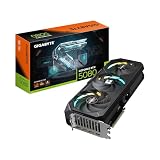
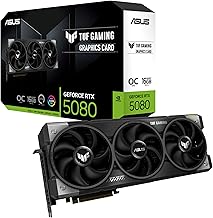
PNY RTX 5080 Epic-X ARGB OC
The RTX 5080 is our top pick for high-end gaming, and PNY’s Epic-X triple-fan model pairs 16GB of GDDR7 with a strong factory overclock and DLSS 4 support. It delivers excellent 4K and high-refresh 1440p performance with the best ray tracing in its class.
ASUS Prime Radeon RX 9070 XT OC
For rasterization value at 1440p and 4K, the RX 9070 XT is superb, and the ASUS Prime OC edition brings 16GB of GDDR6, a robust cooler, and dual BIOS. It is the standout choice for gamers who prioritize frames per dollar.
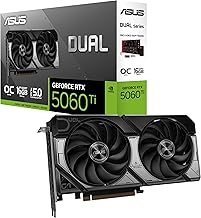
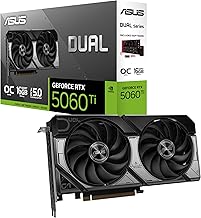
ASUS Dual RTX 5060 Ti 16GB OC
The RTX 5060 Ti with 16GB is the smart 1440p sweet spot, and this ASUS Dual OC model offers quiet cooling, DLSS 4, and plenty of VRAM. It is an ideal mainstream card for high-refresh 1080p and comfortable 1440p gaming.
ASUS Dual Radeon RX 9060 XT 16GB
AMD’s RX 9060 XT with 16GB is a fantastic value option for 1080p and entry 1440p, and the ASUS Dual design keeps it cool and quiet. The generous memory makes it a future-friendly pick for budget-conscious builders.
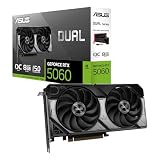
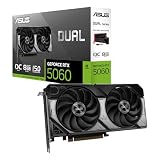
ASUS Dual RTX 5060 8GB OC
Rounding out the list, the RTX 5060 is a strong 1080p performer with DLSS 4 support, and the ASUS Dual OC model delivers it with 0dB technology for silent idle. It is the go-to for affordable, efficient 1080p gaming.
Frequently Asked Questions
What is the best GPU for 1440p gaming?
The RTX 5060 Ti 16GB and RX 9070 XT are excellent 1440p choices, balancing strong performance with sensible pricing and generous memory.
How much VRAM do I really need?
16GB is the safe target for 1440p and 4K, giving headroom for modern titles. 8GB cards remain fine for 1080p gaming today.
Should I choose NVIDIA or AMD?
Choose NVIDIA for the best ray tracing and DLSS 4 upscaling, or AMD for stronger rasterization value per dollar. Both offer excellent options this generation.
Will these cards fit my power supply?
Entry and mid-range cards are modest on power, but higher-end models like the RTX 5080 need a quality, higher-wattage PSU. Always check your connectors and wattage first.
Final Thoughts
The best GPU depends on your resolution and priorities. For high-end play, the PNY RTX 5080 leads, while the ASUS Radeon RX 9070 XT is the value champion at 1440p. Mainstream gamers should look hard at the RTX 5060 Ti 16GB. Match the card to your monitor and budget, and this generation offers a winner at every tier.