Key takeaways
- Adds a second display from a standard USB-A port, no video output required.
- Compact and portable, ideal for hot-desking and travel.
- Affordable compared with a full docking station.
- Broad compatibility with older USB 2.0 machines on some models.
What's inside
Adding a second monitor is one of the cheapest productivity upgrades going, but not every laptop has a spare HDMI port or a display-capable USB-C output. A USB-to-HDMI adapter bridges that gap, pulling an extra screen from an ordinary USB-A port so you can spread out spreadsheets, reference docs, and chat windows across two displays.
These adapters rely on DisplayLink-style technology and a small driver rather than native video output, which brings both flexibility and a few quirks worth understanding. Below we look at how the leading USB-to-HDMI converters perform and which one belongs in your bag or on your desk.
As an Amazon Associate we earn from qualifying purchases at no extra cost to you. Product prices and availability are accurate as of the date shown and are subject to change.




🎮 Get More From Your Setup — Free
Prime Gaming gives you free PC games every month, in-game loot, and a free Twitch channel sub — plus fast free shipping on all the gear above. New members get a 30-day free trial.
Watch: Usb To Hdmi Adapter For Second Monitor — Video Review
Design & Build
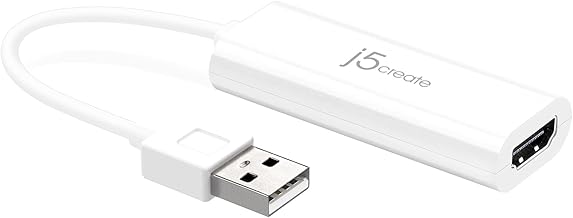
Most of these are compact dongles with a short captive cable, easy to leave plugged into a dock or toss in a laptop sleeve. The StarTech USB-A 3.0 to HDMI converter and the j5create adapter feel the most polished, with sturdy housings and reliable driver support. The Reborn adapter and the generic USB 3.0 HDMI converters keep costs down while covering the essentials, and several models offer both USB 3.0 and 2.0 compatibility so they work on older machines, albeit at lower performance.
Performance
Expect solid 1080p output across the board, with the better USB 3.0 models like the StarTech and j5create hitting a smooth 1080p60 for documents, browsing, and video. Because these adapters compress and send video over USB rather than a dedicated display bus, they are excellent for productivity but not ideal for fast-paced gaming or color-critical work. Platform support is the big caveat: several, including the StarTech, are Windows-only and require a driver install, while others add macOS compatibility. Always check your operating system before buying.
Pros & Cons
- Adds a second display from a standard USB-A port, no video output required.
- Compact and portable, ideal for hot-desking and travel.
- Affordable compared with a full docking station.
- Broad compatibility with older USB 2.0 machines on some models.
- Requires a driver install and is not suited to gaming or high-frame-rate video.
- Platform support varies, with some adapters Windows-only.
Alternatives to Consider
If reliability and clean driver support matter most, the StarTech USB-A 3.0 to HDMI converter and the j5create JUA195 are the safest, best-documented choices for Windows productivity setups. Mac users should specifically seek out an adapter that lists macOS support, since many budget converters are Windows-only. For a low-cost way to revive an older laptop, the Reborn adapter and the multi-standard USB 3.0/2.0 converters get a second screen running without much fuss, as long as your expectations stay in office-work territory.
Frequently Asked Questions
Can I game on a USB-to-HDMI adapter?
Not well. These adapters are tuned for desktop productivity and video; the compression and USB bandwidth make them a poor fit for fast-paced gaming.
Do I need to install a driver?
Usually yes. Most DisplayLink-style adapters require a small driver download, after which the second screen behaves like a normal display.
Will these work on a Mac?
Some do, but many are Windows-only. Confirm macOS support before buying, as compatibility varies significantly between models.
What resolution can I expect?
A stable 1080p, with 1080p60 on the better USB 3.0 units. They are ideal for documents, browsing, and video calls rather than 4K workflows.
Verdict
A USB-to-HDMI adapter is the simplest way to add a second monitor when your laptop lacks a spare video output. For dependable Windows use, the StarTech and j5create converters lead the pack, while budget options like the Reborn adapter suit older machines and light tasks. Match the adapter to your operating system and set expectations around productivity rather than gaming, and it will pay for itself in workflow.