The best racing gloves for sweaty hands prioritize breathable fabric, dependable palm grip, and a fit that stays comfortable when a sim-racing session runs long. Our overall pick is the F33L SR Flow Forte for its ventilated palm, reverse seams, and high-grip design suited to a wide range of force-feedback wheels. If you run a lower-force wheel and value tactile feel, the SR Flow Agile is the more delicate alternative; Sparco Hypergrip+ and Sim Hound also deserve a look. No glove prevents sweating entirely, and a breathable fabric claim is not a laboratory measure of temperature or sweat removal.
Quick verdict: choose for ventilation, not just grip
Best overall — F33L SR Flow Forte. The maker specifically describes a ventilated palm, high-grip contact material, external-facing/reverse seams, and touch-compatible fingers. Its maker also explicitly cautions that this is sim-racing apparel, not motorsport protective equipment.
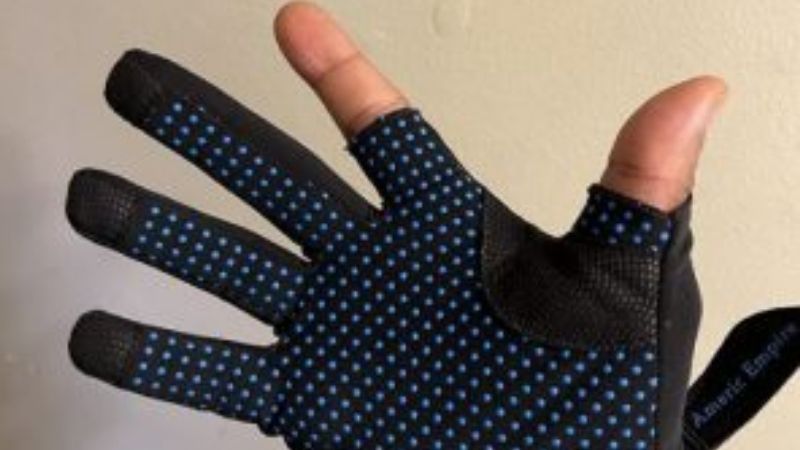
Best delicate steering feel — F33L SR Flow Agile. A softer, lighter-grip Ultrasense palm and breathable construction target medium-to-low force feedback. It is a sensible choice when heavy tackiness feels excessive; the trade-off is reduced emphasis on maximum grip for strong direct-drive wheels.
Best familiar motorsport-style design — Sparco Hypergrip+. Perforated microfiber, enhanced grip zones, and touchscreen fingertips make it well-specified for simulator use. Check size by Sparco’s numeric glove sizing and inspect the current retailer’s actual variant.
Best all-around fitted alternative — Sim Hound External Stitching Sim Racing Gloves. The stretch fabric back, textured palm and external seams suit drivers who dislike internal seam pressure. For riders who want a smoother traditional seam arrangement, Sim Hound also sells an Internal Stitching version.
Sim racing gloves compared for hot hands
| Product | Verified ventilation or grip feature | Best use | Observed seller pricing, October 29, 2026 | Listing note | Main drawback |
|---|---|---|---|---|---|
| F33L SR Flow Forte | Ventilated palm, high-grip surface, reverse seams | Most direct-drive sim racers | £39 manufacturer price; US delivered total unverified | Maker purchase listing; US stock not separately verified | International shipment and fit uncertainty |
| F33L SR Flow Agile | Breathable ventilated Ultrasense palm | Lower-to-medium FFB; steering feel | £39 manufacturer price; US delivered total unverified | Maker purchase listing | Less grip-oriented than Forte |
| Sparco Hypergrip+ | Perforated microfiber palm, grip zones, touch fingers | General wheel use with a familiar brand | $49 on SIM HQ US listing | Seller page showed sold out | Check retailer stock and revised sizing |
| Sim Hound External Stitching | Lightweight elastic back, textured grip palm; outer seams | Seam-sensitive hands, long sessions | £27.50 manufacturer listed | Manufacturer listed for purchase | International shipping and palm feel need fit check |
| Sim Hound Internal Stitching | Stretch fabric, microfibre suede and textured palm | Prefer conventional seam position | £25 manufacturer listed | Product collection listed; size stock varies | Seams may be more noticeable on long sessions |
| SIMAGIC Interior Seams Gloves | 60% lyocell / 35% polyester / 5% spandex; silicone grip palm | Light, stretchy sim-specific gloves | $59.90 official SIMAGIC shop | Maker offered add-to-cart | M–2XL range excludes smaller size options |
A price shown in pounds is not a dollar price. US buyers should verify delivery, returns, import charges, exact size stock, and the listing date. A product marked sold out should not displace a purchasable pick merely because it once had an attractive price.
How these gloves were evaluated
We focused on items identifiable by current manufacturer names, with documented materials or functional details relevant to sweat and grip. The strongest evidence is the actual apparel specification: ventilated or perforated palm, stretch back, seam orientation, grip texture, washing guidance, and available hand sizes. Retail pages help establish US purchase context but can be stale or contradict a manufacturer collection. The criteria do not include claimed lap-time gains, because no comparable independent A/B timing test was available for these six exact models.
There is also an essential safety distinction. Sim-racing gloves are designed to operate a simulator steering wheel indoors. Unless the model bears a verified current motorsport approval for the intended event, it must not be represented as FIA-approved, flame-resistant racewear or suitable hand protection for track competition. We favor explicitly sim-oriented, breathable equipment for this roundup rather than pretending an expensive fire-resistant karting or motorsport glove is automatically cooler in an apartment.
Best racing gloves for sweaty hands: in-depth reviews
F33L SR Flow Forte — best overall for most sim racers
The SR Flow Forte is the broadest recommendation because F33L positions it as a high-grip glove for all force-feedback strengths, rather than just high-powered direct-drive systems. Official details identify reverse stitching, a breathable ventilated palm, touchscreen-compatible fingertips, and a lightweight performance fabric. The brand says the pair weighs just under 50 grams. Those are useful design details when a driver regularly completes hour-long races, although low glove mass alone does not prove lower skin temperature. Grip texture can let a driver relax an unnecessarily hard hold; comfort still depends on fit and steering technique.
Why choose the Forte instead of the Agile? The Forte emphasizes additional grip and durability. On a textured rubber or Alcantara-style rim, stronger glove contact may help avoid finger slip without clamping the rim. The flipside is a less bare-handed feeling; drivers using low torque and small-diameter formula rims may prefer the softer Agile fabric. Reverse seams can reduce the sensation of a ridge rubbing on the inside of a finger, but exact comfort varies with anatomy and the glove’s sizing.
Advantages: documented ventilated palm, broad FFB positioning, reverse stitching, touch-friendly fingertips, light construction. Trade-offs: £39 is an overseas list price rather than a confirmed US total, and the product is not approved for real-world motorsport. Best for: long PC sim sessions and drivers who want substantial wheel grip. Not for: customers expecting a guaranteed no-sweat glove or fire protection. Follow F33L’s cold hand-wash guidance; machine-drying can damage the grip and shorten life.
F33L SR Flow Agile — best for lighter grip and tactile feedback
SR Flow Agile uses F33L’s Ultrasense palm material, described by the manufacturer as soft-grip and responsive. The brand explicitly positions it for medium-to-low FFB. It keeps several practical features from the Forte: ventilated palm, breathable construction, reverse stitching, and touchscreen-compatible fingertips. That makes it a serious option for someone who finds silicone-heavy or rubberized gloves too sticky during gentle steering corrections. In a low-torque belt-drive or entry-level direct-drive setup, excessive palm grip is not necessarily an advantage; it can encourage the hands to drag on the rim instead of making clean adjustments.
The practical implication for sweaty palms is that fabric construction and coverage matter more than an aggressive marketing claim. A ventilated palm should have some opportunity for airflow, but the rim closes part of the palm against a contact surface. The back of the hand and finger fit influence overall heat comfort just as much. Someone who consistently soaks gloves will still need to rotate pairs, dry them between sessions, and possibly use a fan. The Agile is not a substitute for those measures.
Advantages: maker-documented breathable soft-grip palm, reverse seams, and responsive feel. Trade-offs: less explicitly built for intense FFB grip, UK pricing, and no verified independent moisture-management measurements. Best for: low-to-medium-force setups, lighter steering inputs, and drivers who value contact feedback. Not for: someone wrestling a very high-torque wheel or prioritizing the stickiest available palm. Choose from the hand-circumference chart, not your normal winter-glove size.
Sparco Hypergrip+ — best perforated microfiber option
Sparco’s Hypergrip+ is a named evolution of the earlier Hypergrip glove, which is easy to confuse at retailer checkout. US specialty retailer SIM HQ describes perforated microfiber on the palm, ergonomic pads, additional printed traction areas on the fingers, a stretch back, and touchscreen-compatible thumb and index finger. The combination addresses multiple common simulator annoyances: slick palms, rubbing at the steering wheel’s contact points, and having to remove a glove to operate a touch display. It also looks like a purpose-built simulation glove rather than a work glove adapted to racing.
There are two qualifications. First, advertised perforation does not establish how much sweat a particular user will produce or whether the material dries quickly in a hot room. Second, the specific US seller listing examined carried a sold-out status at $49. The apparent price therefore belongs in a comparison as a past listing observation, not a guaranteed immediate purchase. Search the correct Hypergrip+ model designation rather than substituting the older Hypergrip or Sparco Meca glove simply because the product photos look similar.
Advantages: concrete palm ventilation design, padded contact zones, extra finger grip, touchscreen operation, familiar Sparco glove sizing. Trade-offs: US listing availability uncertain and fit may feel more padded than a minimalist glove. Best for: sim racers who want a textured palm but dislike sealed-feeling material. Not for: someone who needs an in-stock pair this week without checking another authorized retailer. As with other simulation gloves, do not assume it meets track safety regulations.
Sim Hound External Stitching Sim Racing Gloves — best for seam-sensitive fingers
Sim Hound’s external-stitching glove is an important alternative because seam discomfort can feel worse after hands warm up. The manufacturer’s Sim Hound glove description uses a light, breathable, elasticated back fabric and microfiber suede palm with a textured rubberized grip. An offset wrist tab is intended to avoid rubbing at the center of the wrist, and a touchscreen-sensitive index finger adds convenience for button-box interaction. External stitching shifts a portion of seam bulk away from the inside contact points; whether that design is preferable is personal and should be decided by a correct size.
For a sweaty-hand user, a relaxed wrist closure and stretch back can be more comfortable than a thick, tight gauntlet. However, a highly elastic glove that runs too large may bunch at the palm and rotate around the fingertips. That can cause unintended steering micro-slip even when the contact pattern itself is grippy. Measure the hand, review the manufacturer’s sizing dimensions, and avoid choosing a deliberately loose glove just to “get more ventilation.” A roomy fit can compromise fine control.
Advantages: breathable upper material, textured palm, external seams, offset wrist fastener, model-specific short-cuff design. Trade-offs: shipping from the UK may reduce value for a US buyer and seam comfort cannot be confirmed without fitting. Best for: drivers whose current gloves rub at the sides of the fingers. Not for: buyers who prefer seamless palms or require domestic next-day delivery. Do not judge the fabric’s drying time based only on a promotional photograph.
Sim Hound Internal Stitching Sim Racing Gloves — best traditional-feel alternative
The internal-stitching version provides a more conventional feel for users who are already comfortable with the way most gloves are assembled. Sim Hound includes this variation in its active glove range alongside the external-stitching option. The wider glove range uses breathable back fabrics and a textured palm design, with many color choices. Choosing internal seams is not an upgrade or downgrade in raw performance; it is a comfort decision based on where your hand experiences pressure when it grips a wheel rim.
The key risk is assuming both products have identical physical feel merely because their marketing and color families overlap. The internal seam sits where the finger can contact it, and a tight size may be more noticeable during sustained turns. If your gloves become clammy, moisture can make seam pressure and friction feel more irritating even without visible skin damage. Before racing, wear the gloves while holding your wheel at your usual 9-and-3 position for several minutes and make full-lock turns. If fingertips bunch or the seam catches repeatedly, exchange before use.
Advantages: established short-cuff glove format, manufacturer-listed purchase options and familiar fabric concept. Trade-offs: potential seam contact with fingers, overseas shipping, and per-size color availability changes. Best for: a driver who likes conventional stitching and wants Sim Hound palm texture without paying for the alternative seam arrangement. Not for: someone who already experiences pressure at the finger seams. Consider the external-stitching pair first if that is your main complaint.
SIMAGIC Interior Seams Gloves — best transparent fabric specification
SIMAGIC publishes a notably specific fabric composition for its Interior Seams Gloves: 60% lyocell, 35% polyester and 5% spandex. It also documents a silicone grip palm, touchscreen-ready index finger, and M–2XL sizing. For buyers tired of vague claims such as “premium breathable material,” this is a useful amount of detail. Lyocell is a cellulose-derived fiber often selected for a smooth hand feel, although the percentage alone cannot establish sweat-evaporation speed in a finished glove. SIMAGIC describes breathable construction and a fitted cuff for long simulator sessions.
At $59.90 on the official shop, this is a premium-leaning option in the comparison, and it is not necessarily the coolest simply because it publishes a fiber percentage. Some drivers prefer silicone contact dots for predictable hold on leatherlike rims; others dislike the more engaged grip when they want to make small corrections. The explicitly internal seam position could also be less attractive to a user with sensitive fingertips. The size range starts at medium, a meaningful restriction if you have smaller hands.
Advantages: detailed published composition, silicone palm grip, touchscreen operation, official size chart and add-to-cart listing. Trade-offs: smaller-handed buyers may be excluded, and there is no verified head-to-head moisture test against F33L or Sim Hound. Best for: sim racers wanting a snug high-contact glove with clear material disclosure. Not for: drivers who need XS or S sizing. Measure palm circumference and middle-finger length against SIMAGIC’s chart before buying.
Buying guide: what matters when your palms sweat
Prioritize airflow without assuming a glove can stop perspiration
Sweating is a body-cooling response. Even a ventilated glove covers skin, and gripping a steering wheel blocks some airflow at the contact surface. Look for breathable stretch backs, perforated or ventilated palm designs, and short cuffs rather than demanding the impossible property of “sweatproof.” A small room fan and reasonable temperature can have a larger practical effect than a change from one breathable glove to another. Thick foam pads may feel comfortable at first while retaining warmth around the palm, so consider both the material and its placement.
Match palm texture to your steering wheel surface
Alcantara-like coverings can be vulnerable to oils and hard rubbing; gloves may help keep skin oils off them when clean. Silicone and patterned microfiber can add traction, but more grip is not always better. On leather, suede, textured rubber and synthetic rims, the interaction changes. If the wheel is already sticky, an extremely grippy glove can make corrections less smooth. If it is very slick when hands are damp, lightly textured palms may help. Never use adhesive sprays or solvents on the rim as a shortcut; follow the wheel manufacturer’s material-care guidance.
Compare fingertip and seam fit before race-day comfort
Hand circumference, finger length, and the space between thumb and index finger deserve a separate fit check. A glove may be tight enough to feel secure when open-handed yet pinch after gripping a small formula wheel. Conversely, excess fabric can twist into an irritating fold. Manufacturers use different sizing systems: F33L uses an explicit hand-measurement chart; SIMAGIC publishes several hand dimensions; Sparco has numbered sizes on some listings. Do not convert every label marked “L” into a universal size. If the brand provides measurement instructions, follow those first.
Think about torque, duration, and the kind of racing you do
A high-torque direct-drive wheel can make grip loss more conspicuous, which favors stronger palm contact and secure fit. Entry-level wheels can work well with softer gloves that preserve a tactile impression of what the rim is doing. Endurance events increase the importance of seams, cuff pressure, and how quickly a glove dries between sessions. If you race for several hours, a second clean pair may be more useful than buying one substantially more expensive pair. Beginners should avoid assuming gloves are mandatory for every wheel or every race.
Consider touchscreen controls and glove maintenance
Touchscreen fingertip thread or coated contact surfaces are convenient only if your button box, phone, or display accepts them reliably. Check the number of supported fingertips and whether they sit at the actual end of your finger when worn. Sweat and oils accumulate in grip material; follow the manufacturer’s hand-wash or cold-water care instructions, then air dry fully. Do not tumble-dry specialty silicone or microfiber gloves unless the care label explicitly permits it. Dirty gloves can lose effective grip, smell unpleasant and abrade a wheel unnecessarily.
Use an honest US price comparison
A £39 F33L listing and a $59.90 SIMAGIC listing are not directly comparable until shipping and exchange rates are known. Some UK brands offer worldwide shipping, but that is not the same as a US warehouse or a free exchange. If a manufacturer offers international returns, the cost of returning the wrong size can dominate the original discount. For sizing-sensitive apparel, a reputable US seller with an easy size exchange may be worth more than a small lower advertised price overseas.
A practical routine for long, sweaty sim sessions
- Clean and fully dry your hands before fitting gloves. Do not apply hand lotion immediately before gripping a suede or microfiber-covered wheel.
- Use the brand’s hand measurement chart. Test the fitted glove on your actual wheel at rest, at maximum steering angle, and while using paddles or buttons.
- Reduce unnecessary grip force. If you tense your hands against strong force feedback, adjust wheel torque and driving position rather than relying only on more textured fabric.
- Provide room ventilation, remove gloves between races, and keep a second clean pair for multi-hour events.
- Follow the washing label and dry completely before the next session. Inspect for worn grip patches or split seams and replace when safe control becomes inconsistent.
FAQ
Are gloves actually necessary for sim racing?
No. Many drivers use bare hands comfortably, especially on lower-force wheels. Gloves can help some players manage friction, preserve delicate rim surfaces, or maintain contact during hot sessions. Choose them for a specific problem rather than as a prerequisite for driving well.
Which material is best for sweaty hands: microfiber or silicone?
Neither wins universally. Perforated microfiber can combine tactile contact with airflow openings; silicone patterns increase localized grip. The glove’s full structure, cuff, back fabric and fit all influence comfort. Without a controlled comparison on the same wheel and users, it would be misleading to assign a numeric cooling advantage to either.
Will these gloves work with an Alcantara or suede wheel?
They are plausible candidates for delicate simulator wheel materials, but always check the wheel maker’s cleaning and glove advice. Keep the gloves clean because grit or worn rubberized contact patterns may abrade a covering. Gloves do not make wheel maintenance unnecessary.
Can I use sim-racing gloves for real motorsport?
Do not assume so. A simulation glove is not necessarily flame resistant or approved by FIA, SFI, or a karting organization. F33L explicitly distinguishes its sim gloves from motorsport use. For a real vehicle event, buy gear with the precise homologation or safety approval required by that event.
How should a snug glove fit when my hands get warm?
It should not fold under the palm, restrict fingertip circulation, or create seam pressure while holding the steering wheel. Because brand patterns differ, measure according to the individual size guide and test while gripping a wheel. Do not simply size up by one in the hope of making the fabric breathable.
Are fingerless gloves a better option for sweaty palms?
They may expose fingertips and offer convenience for buttons, but they do not automatically ventilate the palm—the main steering contact area remains covered. The fingerless Sim Hound variant observed was sold out, so it was not promoted as an immediately available top purchase.
Can these gloves improve lap times?
There is no verified standardized lap-time advantage for the six products here. More consistent hand contact might reduce distractions for a driver whose grip was slipping, but real lap times depend much more on technique, wheel settings, vehicle setup and practice.
Final thoughts
For heat-conscious sim racers who still need decisive steering grip, F33L SR Flow Forte provides the clearest balance of ventilated palm, seam comfort and broad wheel positioning. Choose SR Flow Agile when tactile finesse matters more than maximal stickiness; consider the Sim Hound seam variants for hand comfort, SIMAGIC for clear material disclosure, and Sparco Hypergrip+ when a correct-size US listing is actually available. Match the fit to your hands and the palm texture to your wheel, and remember that ventilation, cleaning, and breaks are part of the solution.