Key takeaways
- Wide range of sizes and prices to fit any budget
- Broad software compatibility with Windows 11
- Lightweight, portable designs for everyday use
- Bundled extras like Microsoft 365 and USB hubs
What's inside
Windows laptops remain the most popular choice for good reason: they offer the widest range of prices, sizes, and features, plus compatibility with virtually all software. Whether you need a simple machine for browsing and email or a capable everyday workhorse, there’s a Windows laptop for every budget and use case. The trick is matching the right specs to your needs so you don’t overpay or under-buy.
In this guide we look at a range of Windows laptops, from lightweight everyday models to compact and budget-friendly options. We’ll cover how they’re built, how they perform, and which alternatives make sense depending on your priorities.
As an Amazon Associate we earn from qualifying purchases at no extra cost to you. Product prices and availability are accurate as of the date shown and are subject to change.


🎮 Get More From Your Setup — Free
Prime Gaming gives you free PC games every month, in-game loot, and a free Twitch channel sub — plus fast free shipping on all the gear above. New members get a 30-day free trial.
Watch: Windows Laptop: Review & Buyer’s Guide — Video Review
Design & Build
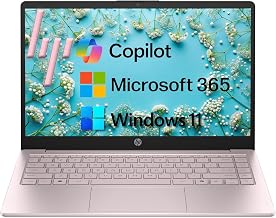
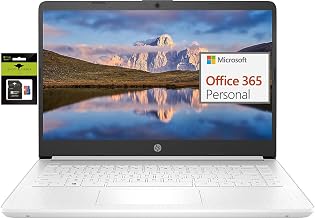
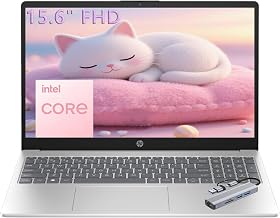
The Windows laptops here span a variety of designs, all focused on practicality. The HP 15 models are slim and lightweight at around 3.6 lbs, easy to carry between rooms or to class, while the compact HP 14 and 14-inch models prioritize portability for on-the-go use. Build quality is dependable across the group, with comfortable keyboards, decent displays, and useful extras like bundled USB hubs on some models. The jumper 15 adds a numeric keypad and expandable storage, while the smaller HP 14 options keep things ultra-portable. These aren’t premium metal machines, but they’re sturdy, sensible, and designed for everyday reliability.
Performance
Performance varies with the configuration. The HP 15 with an Intel processor, 8GB of RAM, and a 256GB SSD, and the Lenovo 15 with a quad-core CPU and DDR5 memory, handle everyday browsing, office work, and streaming smoothly. The jumper 15 with 12GB of RAM offers a bit more multitasking comfort along with a year of Office 365. The compact HP 14 models with N-series or AMD chips and 4GB of RAM are best for very light use like web browsing and word processing, aided by cloud storage. All rely on integrated graphics, so they’re built for productivity rather than gaming, but their SSDs keep them feeling responsive.
Pros & Cons
- Wide range of sizes and prices to fit any budget
- Broad software compatibility with Windows 11
- Lightweight, portable designs for everyday use
- Bundled extras like Microsoft 365 and USB hubs
- Budget models with 4GB RAM feel tight with multitasking
- Integrated graphics aren’t suited to gaming
- Plastic builds feel less premium
- Smaller SSDs may need cloud or expandable storage
Alternatives to Consider
If you want the smoothest everyday experience, the HP 15 or Lenovo 15 with 8GB of RAM and an SSD are dependable, well-rounded picks. For a bit more multitasking headroom, the jumper 15 with 12GB of RAM and Office 365 is a smart value. Those who prioritize ultra-portability and only do light tasks can save with the compact HP 14 models, ideally choosing a configuration with more storage or cloud backup to offset the smaller SSD.
Frequently Asked Questions
How much RAM do I need in a Windows laptop?
8GB is a comfortable minimum for everyday browsing, office work, and streaming. 4GB models work for very light single-tasking, but if you keep several tabs and apps open, 8GB or more will feel much smoother.
Are budget Windows laptops any good?
Yes, for everyday tasks like browsing, email, and documents they’re perfectly capable, especially with an SSD. Just set realistic expectations, as budget models aren’t built for demanding multitasking or gaming.
Do these laptops run all Windows software?
Yes. As standard Windows 11 laptops with Intel and AMD processors, they run the full range of Windows applications, unlike some Arm-based models that use emulation for certain programs.
Is a 14-inch or 15-inch laptop better?
A 14-inch model is more portable and lighter, ideal for travel, while a 15-inch offers a larger screen and often a numeric keypad for more comfortable everyday work. Choose based on whether portability or screen space matters more to you.
Verdict
A Windows laptop offers unmatched flexibility, and the right one comes down to your needs and budget. For smooth everyday use, the HP 15 and Lenovo 15 are reliable picks; for extra multitasking room, the jumper 15 with 12GB of RAM stands out; and for ultra-portable light use, the compact HP 14 models deliver. Focus on getting at least 8GB of RAM and an SSD, and you’ll enjoy a dependable Windows laptop that serves you well for years.