Key takeaways
- Broad compatibility: Windows runs the widest range of software and peripherals.
- Options for every budget: From cheap everyday laptops to premium business machines.
- SSD speed: The better-equipped models boot and load apps quickly.
- Renewed value: The Latitude 7420 offers pro-grade specs for less.
What's inside
A Windows notebook is still the most flexible computer most people can own. It runs the software the world relies on, connects to almost any accessory, and comes in enough shapes and price points that there is a right one for students, home users, and professionals alike. The challenge is not finding a Windows laptop; it is finding the one whose specs actually match how you plan to use it.
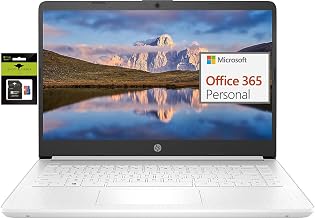
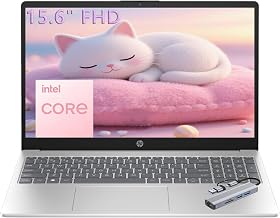
This review looks across the Windows notebook spectrum, from affordable everyday machines like the HP 15.6-inch 2026 Edition and a compact 14.1-inch Celeron model, to the large-screen HP OmniBook 3 17.3-inch and the business-grade, renewed Dell Latitude 7420. Comparing them shows how much difference RAM, storage, and processor choice make in real use.
As an Amazon Associate we earn from qualifying purchases at no extra cost to you. Product prices and availability are accurate as of the date shown and are subject to change.


🎮 Get More From Your Setup — Free
Prime Gaming gives you free PC games every month, in-game loot, and a free Twitch channel sub — plus fast free shipping on all the gear above. New members get a 30-day free trial.
Watch: Windows Notebook Laptop: Review & Buyer’s Guide — Video Review
Design & Build
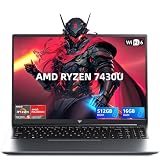
Windows notebooks range from featherweight travelers to roomy desktop replacements. The HP 15.6-inch 2026 Edition keeps things light at around 3.6 pounds while offering a full-size 15-inch screen, striking a nice balance for students and office work. The MOONFISH 15.6-inch and the 14.1-inch Celeron models prioritize portability and value with slim, lightweight bodies. The HP OmniBook 3 17.3-inch trades portability for a large display that suits multitasking at a desk, while the renewed Dell Latitude 7420 brings a premium carbon-fiber business build with the durability and port selection professionals expect. Construction is mostly plastic on the budget models and noticeably sturdier on the Latitude.
Performance
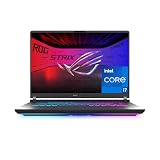
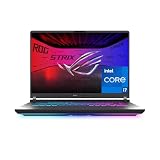
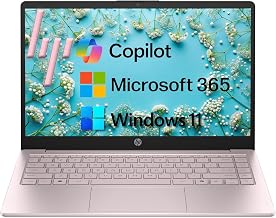
Here the specifications tell the story. The renewed Dell Latitude 7420 leads with an 11th-gen Core i7, 16GB of RAM, and a 512GB SSD, making it genuinely fast for demanding multitasking, business apps, and heavy browsing. The MOONFISH with 16GB and a 256GB SSD and the HP 15.6-inch with 8GB and an SSD both handle everyday work, streaming, and office tasks comfortably. The entry-level Celeron machines and the renewed HP 14 with 4GB are best reserved for light, single-task use, web, email, and video, since low memory limits smooth multitasking under Windows 11. The OmniBook 3 with a Ryzen 3 and 8GB sits in the relaxed middle for home use.
Pros & Cons
- Broad compatibility: Windows runs the widest range of software and peripherals.
- Options for every budget: From cheap everyday laptops to premium business machines.
- SSD speed: The better-equipped models boot and load apps quickly.
- Renewed value: The Latitude 7420 offers pro-grade specs for less.
- 4GB models feel slow: Entry configs struggle with multitasking.
- Basic budget displays: Cheaper panels are usable but not vivid.
- Weight varies: 17-inch models are less travel-friendly.
Alternatives to Consider
If portability is your top priority, a lighter 14- or 15-inch model like the HP 15.6-inch beats a bulky 17-inch machine for daily carry. For pure performance value, the renewed Dell Latitude 7420 is hard to beat, delivering business-class speed at a friendly price. Only the lightest users should settle for a 4GB Celeron notebook; stepping up to 8GB or 16GB, as the MOONFISH and HP models offer, keeps Windows 11 feeling responsive far longer.
Frequently Asked Questions
How much RAM does a Windows notebook need?
8GB is the practical minimum for smooth Windows 11 multitasking, and 16GB is better for heavier work. A 4GB machine handles only light, one-task-at-a-time use like browsing and video.
Is a renewed business laptop a smart buy?
Yes. Renewed models like the Dell Latitude 7420 offer durable builds and strong specs for far less than new. Buy from a reputable seller and confirm the warranty and return terms before purchasing.
What screen size should I choose?
14 to 15 inches balances usability and portability for most people. A 17-inch notebook like the OmniBook 3 suits home use and multitasking but is heavier and less convenient to carry regularly.
Does storage type matter?
Very much. An SSD makes a laptop feel dramatically faster than older eMMC or hard-drive storage, improving boot times and app loading. Prioritize an SSD whenever your budget allows.
Verdict
The best Windows notebook is the one whose specs fit your workload. For serious performance value, the renewed Dell Latitude 7420 stands out, while the HP 15.6-inch and MOONFISH deliver dependable everyday computing at friendly prices. The OmniBook 3 suits big-screen home use, and entry Celeron machines fit only the lightest tasks. Prioritize RAM and an SSD, and your Windows laptop will stay useful for years.