Key takeaways
- Switch type: Mechanical switches offer crisper actuation and far better longevity (typically 50–100 million presses), while membrane boards are quieter and cheaper. Under $100 you can now get genuine mechanical switches, so treat “mechanical feeling” as a signal that a board is membrane-based.
- Layout and size: Full-size (104 keys) keeps your numpad; 75% and 65% layouts free up desk space for low-sensitivity mouse sweeps. If you play shooters at low DPI, a compact board is a genuine performance upgrade rather than a cosmetic one.
- Anti-ghosting and rollover: Look for confirmed N-key rollover or at least 26-key rollover on the WASD cluster. Budget boards often advertise anti-ghosting without specifying how many simultaneous inputs they actually register.
- Build quality: A metal or metal-topped chassis resists flex during frantic inputs and adds acoustic dampening. Also check keycap material — PBT resists shine and wear far better than the ABS plastic used on most cheap boards.
- Connectivity and extras: Wireless boards with 2.4GHz dongles now match wired latency closely enough for competitive play, while Bluetooth adds multi-device flexibility. Hot-swap sockets, volume knobs, and dedicated media keys are meaningful quality-of-life wins at this price.
What's inside
Shopping for a gaming keyboard under $100 is deceptively difficult. The sub-$100 bracket is the most crowded segment on the market, packed with boards that look nearly identical in thumbnails but differ enormously in switch quality, build materials, and long-term durability. Marketing copy muddies the water further: terms like “mechanical feeling,” “gaming-grade,” and “anti-ghosting” get applied so loosely that they tell you almost nothing about how a board actually performs after six months of daily use.
This guide cuts through that noise. We’ve focused on keyboards that deliver genuine value rather than spec-sheet padding, covering everything from ultra-budget membrane boards for secondary rigs to hot-swappable wireless mechanical keyboards that punch well above their price. Below you’ll find our top picks, a practical buying framework, and answers to the questions that matter most before you commit.
As an Amazon Associate we earn from qualifying purchases at no extra cost to you. Product prices and availability are accurate as of the date shown and are subject to change.


⚡ Save on Your Next PC — Amazon Prime
Prime members get fast free shipping on the systems above, plus early access to Prime Day & Black Friday PC deals. New members get a 30-day free trial.
Watch: Best Gaming Keyboard Under $100 — Video Review
How to Choose Gaming Keyboard Under $100
- Switch type: Mechanical switches offer crisper actuation and far better longevity (typically 50–100 million presses), while membrane boards are quieter and cheaper. Under $100 you can now get genuine mechanical switches, so treat “mechanical feeling” as a signal that a board is membrane-based.
- Layout and size: Full-size (104 keys) keeps your numpad; 75% and 65% layouts free up desk space for low-sensitivity mouse sweeps. If you play shooters at low DPI, a compact board is a genuine performance upgrade rather than a cosmetic one.
- Anti-ghosting and rollover: Look for confirmed N-key rollover or at least 26-key rollover on the WASD cluster. Budget boards often advertise anti-ghosting without specifying how many simultaneous inputs they actually register.
- Build quality: A metal or metal-topped chassis resists flex during frantic inputs and adds acoustic dampening. Also check keycap material — PBT resists shine and wear far better than the ABS plastic used on most cheap boards.
- Connectivity and extras: Wireless boards with 2.4GHz dongles now match wired latency closely enough for competitive play, while Bluetooth adds multi-device flexibility. Hot-swap sockets, volume knobs, and dedicated media keys are meaningful quality-of-life wins at this price.
The Best Picks Reviewed
AULA F75 Pro Wireless Mechanical Keyboard
The most complete package under $100 by a wide margin, combining a 75% layout, hot-swappable sockets, pre-lubed Reaper switches, side-printed PBT keycaps, and triple connectivity via 2.4GHz, USB-C, and Bluetooth 5.0. The gasket-style feel and rotary knob are features that cost twice as much just two years ago, making this the clear enthusiast pick.
SteelSeries Apex 3 RGB
SteelSeries brings real brand pedigree here with 10-zone RGB, IP32 water resistance, and a premium magnetic wrist rest that most competitors charge extra for. The whisper-quiet gaming switches are membrane-based rather than mechanical, so choose this if you prioritize silence, comfort, and durability over tactile feedback.
Logitech G213 Prodigy
A dependable full-size workhorse with Logitech’s Mech-Dome keys, dedicated media controls, and spill resistance, all backed by proper G HUB software support. It won’t satisfy anyone chasing a mechanical typing experience, but the build quality and reliability are a clear step above generic budget boards.
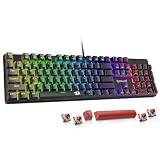
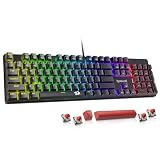
Redragon K521 Upgrade
Redragon’s K521 delivers a full 104-key layout with rainbow LED backlighting, multimedia keys, and broad console compatibility across PC, Mac, PS4/PS5, and Xbox. The “mechanical feeling” switches are membrane, but the anti-ghosting performance and one-touch backlight controls make it a strong pick for multi-platform setups.
GEODMAER 65% Gaming Keyboard
At 68 keys, this ultra-compact membrane board is the cheapest way to try a 65% layout before committing to an expensive custom build. Anti-ghosting is solid for the price and the backlighting is bright, making it a sensible secondary keyboard for a travel bag or living-room PC.
Frequently Asked Questions
Is a mechanical keyboard worth it under $100?
Absolutely — in 2026 the sub-$100 bracket includes hot-swappable boards with pre-lubed switches and PBT keycaps. If typing feel and long-term durability matter to you, a mechanical board like the AULA F75 Pro is a meaningfully better investment than a membrane alternative.
Does wireless add input lag for competitive gaming?
Modern 2.4GHz wireless is effectively indistinguishable from wired for the overwhelming majority of players, typically adding around one millisecond. Bluetooth is noticeably slower and is better reserved for productivity or console use rather than competitive shooters.
Should I buy full-size or compact?
Choose full-size if you regularly use the numpad for spreadsheets, MMO macros, or sim titles. Go 65% or 75% if you play at low mouse sensitivity or want a cleaner desk, since removing the numpad gives your mouse hand significantly more room.
How important is anti-ghosting?
It’s essential for any genre where you hold multiple keys at once, which covers virtually all modern gaming. Every board in this roundup includes anti-ghosting, but mechanical models generally handle heavy simultaneous input more reliably than membrane designs.
Final Thoughts
For most gamers, the AULA F75 Pro is the standout value in 2026, offering hot-swap sockets, pre-lubed switches, and triple connectivity at a price that would have been unthinkable a few years ago. If you prefer a quieter board from an established brand, the SteelSeries Apex 3 delivers excellent comfort and water resistance, while the Logitech G213 Prodigy remains the safest full-size pick for anyone who values proven reliability and strong software support.