Key takeaways
- Band configuration: Tri-band units with a dedicated 6GHz channel deliver the biggest gains, while dual-band models are cheaper but share congestion more quickly under heavy load.
- Wired ports: Look for at least one 2.5G port, and ideally a 10G port, so your router does not bottleneck a fast fiber or multi-gig cable plan.
- Coverage vs. mesh: A single router suits apartments and mid-size homes; choose a mesh kit like Deco or Orbi when you need reliable signal across multiple floors or 4,000-plus square feet.
- Client capacity: Check the rated device count if you run a busy smart home; higher-stream routers handle 100-plus connections without stuttering.
- Security and management: Built-in protection suites, VPN support and a clean app make ongoing updates and parental controls far less painful.
What's inside
Wi-Fi 7 has finally moved from spec-sheet hype to something you can actually feel at home, and 2026 is the year it becomes the sensible default rather than a luxury. With multi-link operation, wider 320MHz channels and 6GHz capacity, the newest routers keep dozens of devices fast at once, which matters when your household is streaming 4K, gaming online and running a stack of smart-home gadgets simultaneously.
Below we break down the routers worth your money right now, from single-unit powerhouses to whole-home mesh kits. Whether you want a low-latency gaming box or blanket coverage across a large house, the picks here balance real throughput, port selection and long-term firmware support so your upgrade still feels current a few years from now.
As an Amazon Associate we earn from qualifying purchases at no extra cost to you. Product prices and availability are accurate as of the date shown and are subject to change.




⚡ Save on Your Next PC — Amazon Prime
Prime members get fast free shipping on the systems above, plus early access to Prime Day & Black Friday PC deals. New members get a 30-day free trial.
Watch: Best WIFI 7 Router 2026 — Video Review
How to Choose a Wi-Fi 7 Router
- Band configuration: Tri-band units with a dedicated 6GHz channel deliver the biggest gains, while dual-band models are cheaper but share congestion more quickly under heavy load.
- Wired ports: Look for at least one 2.5G port, and ideally a 10G port, so your router does not bottleneck a fast fiber or multi-gig cable plan.
- Coverage vs. mesh: A single router suits apartments and mid-size homes; choose a mesh kit like Deco or Orbi when you need reliable signal across multiple floors or 4,000-plus square feet.
- Client capacity: Check the rated device count if you run a busy smart home; higher-stream routers handle 100-plus connections without stuttering.
- Security and management: Built-in protection suites, VPN support and a clean app make ongoing updates and parental controls far less painful.
The Best Wi-Fi 7 Routers Reviewed
Amazon eero Pro 7
The eero Pro 7 is the friendliest tri-band mesh option here, supporting internet plans up to 5 Gbps with genuinely painless setup through the eero app. It is ideal for people who want strong Wi-Fi 7 performance without diving into menus, and it expands cleanly if you add more units later.
TP-Link Archer BE600 (Tri-Band BE9700)
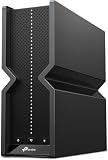
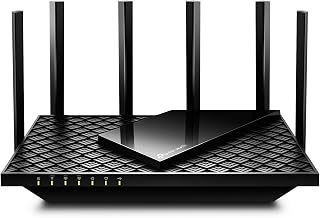
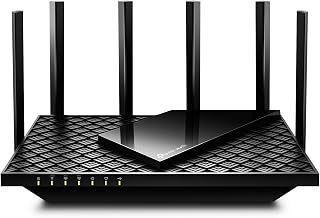
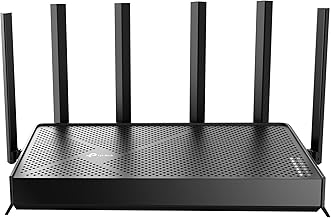
With a 10G port, a 2.5G port and three additional 2.5G LAN connections, the Archer BE600 is a wired enthusiast’s dream. The 320MHz channel and coverage up to 2,600 square feet make it a strong single-unit pick for power users who want HomeShield security baked in.
TP-Link Deco 7 BE23 Mesh (3-Pack)
This dual-band BE3600 mesh system covers up to 6,500 square feet and leans on 2.5G wired backhaul for stable whole-home speed. AI-Roaming and MLO keep devices on the best node, making it the value choice for larger houses that do not need 6GHz.
NETGEAR Nighthawk RS600
The tri-band Nighthawk RS600 pushes BE18000 speeds up to 18 Gbps and includes a 10 Gig internet port, so it is built for the fastest plans available. Rated for 3,300 square feet and 150 devices, it is a serious single-router flagship for demanding homes.
TP-Link Archer GE400 Gaming Router
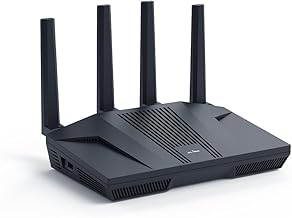
Aimed squarely at gamers, the dual-band Archer GE400 adds a dedicated gaming port, game acceleration and RGB lighting on top of 6.5 Gbps of throughput. It skips 6GHz to keep the price sharp, making it a focused pick for low-latency console and PC play.
Frequently Asked Questions
Do I need Wi-Fi 7 devices to benefit?
You get the full multi-link and 6GHz advantages only with Wi-Fi 7 clients, but these routers still improve range, capacity and stability for your existing Wi-Fi 6 and older gear thanks to better hardware and cleaner band management.
Is a single router or a mesh better for me?
Choose a single router for apartments and compact homes where one strong unit reaches everywhere. Pick a mesh kit when walls, multiple floors or a large footprint create dead zones a single router cannot fix.
Why does the 2.5G or 10G port matter?
Wireless speeds now exceed old gigabit ports, so a faster wired port ensures your router can actually pass through a multi-gig internet plan instead of capping it at 1 Gbps.
Will these routers be worth it for years?
Yes. Wi-Fi 7 hardware, multi-gig ports and ongoing firmware support mean a good 2026 router should comfortably serve a growing device count well into the future.
Final Thoughts
The right Wi-Fi 7 router depends on your home and habits: grab the eero Pro 7 or a Deco mesh for effortless whole-home coverage, the Archer BE600 or Nighthawk RS600 for maximum wired speed, and the Archer GE400 if gaming latency is your priority. Any of these is a future-proof upgrade that will keep a busy household fast and stable for years.