Key takeaways
- Response speed: Pick a resolver with servers physically near you for the quickest lookups.
- Reliability: Major public DNS providers offer near-perfect uptime, which matters more than a fractional speed edge.
- Privacy and filtering: Some resolvers add encryption or block malicious domains, a nice bonus for security-conscious players.
- Ease of setup: You can set DNS on your router to cover every device at once, or per-device if you only want it on your gaming rig.
What's inside
Your DNS settings are one of the most overlooked levers in a gaming setup. Every time you launch a match, load a store page, or join a lobby, your system quietly asks a DNS resolver to translate names into addresses, and a slow or unreliable resolver adds tiny delays that stack up over a session. Optimizing DNS will not magically double your frame rate, but it can shave milliseconds off connection times and make your whole network feel snappier.
This guide walks through what DNS actually does for gamers, how to pick and configure a faster resolver, and where dedicated gaming hardware fits into the picture. By the end you will understand the realistic gains, the common myths, and the practical steps to squeeze a more responsive connection out of the network you already have.
As an Amazon Associate we earn from qualifying purchases at no extra cost to you. Product prices and availability are accurate as of the date shown and are subject to change.


⚡ Save on Your Next PC — Amazon Prime
Prime members get fast free shipping on the systems above, plus early access to Prime Day & Black Friday PC deals. New members get a 30-day free trial.
Watch: Best DNS For Gaming 2026 — Video Review
What DNS Actually Does While You Game
DNS, the internet’s control plane, turns human-readable server names into the numeric IP addresses your console or PC connects to. When you launch a game, your device may make dozens of these lookups for matchmaking servers, content delivery networks, and authentication endpoints. A sluggish resolver delays each of those first handshakes, which shows up as slower load-ins and menus rather than in-match lag, since your ping to the game server itself is governed by routing, not DNS.
Does Changing DNS Reduce Lag?
It is important to set expectations honestly. Changing DNS speeds up the lookup step, not the data path between you and the game server, so it will not lower your in-game ping. What it can do is make connecting faster and more reliable, reduce the odd timeout when servers are busy, and unlock a more consistent experience. Think of it as reducing friction at the door rather than shortening the hallway once you are inside.
How to Choose and Set a Faster Resolver
The best public resolvers are fast, well-distributed, and privacy-respecting. Consider these factors when choosing:
- Response speed: Pick a resolver with servers physically near you for the quickest lookups.
- Reliability: Major public DNS providers offer near-perfect uptime, which matters more than a fractional speed edge.
- Privacy and filtering: Some resolvers add encryption or block malicious domains, a nice bonus for security-conscious players.
- Ease of setup: You can set DNS on your router to cover every device at once, or per-device if you only want it on your gaming rig.
Where a Gaming Router Fits In
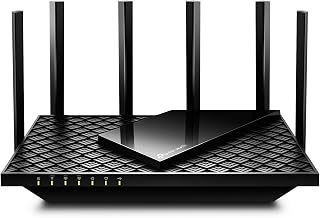
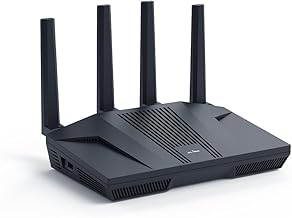
Hardware still matters. A modern gaming router such as the GL.iNet Flint 2, the TP-Link Archer AXE75, or a Wi-Fi 7 model like the ASUS TUF Gaming BE6500 lets you set custom DNS network-wide, prioritize gaming traffic with QoS, and keep your wireless connection stable. Features like game acceleration and dedicated 2.5G ports do more for real-world responsiveness than DNS tweaks alone, so pairing a good resolver with capable hardware is where the biggest gains live.
Securing DNS Without Slowing Down
Encrypted DNS options like DNS-over-HTTPS protect your lookups from snooping and tampering with negligible speed cost on modern connections. If privacy matters to you, enabling encrypted DNS on a capable router gives you the security benefit while keeping resolution fast, so you do not have to trade safety for responsiveness.
Frequently Asked Questions
What is the best DNS setting for gaming?
There is no single winner; the best resolver is one with servers near you and strong uptime. Test a couple of reputable public resolvers from your location and keep whichever returns lookups fastest and most consistently.
Will changing DNS lower my ping in matches?
No. DNS affects how quickly you connect and load, not the latency of data traveling to the game server during play. For lower in-match ping, focus on your routing, connection type, and a wired or strong 5GHz link.
Should I set DNS on my router or my device?
Setting it on your router applies it to every device, including consoles and handhelds that make it harder to change manually. Set it per-device only if you want the change limited to one machine.
Is a gaming router or a DNS change more important?
A good gaming router with QoS and modern Wi-Fi does more for real responsiveness than DNS alone. Treat a faster resolver as a free, low-effort tune-up on top of solid hardware rather than a replacement for it.
Conclusion
Optimizing DNS is a quick, free way to make your gaming network feel more responsive at the connection stage, even if it will not touch your in-match ping. Pair a fast, reliable resolver with a capable gaming router, enable encryption if privacy matters, and you will have squeezed out every easy win your network has to offer in 2026.