Key takeaways
- Gaming performance: The 9800X3D is faster, typically around 10 to 15 percent ahead in CPU-bound games thanks to Zen 5 and improved V-Cache, but the 7800X3D remains excellent and close enough that many players will not feel the difference.
- Price: The 7800X3D is cheaper, particularly as an established part, making it the value option for gamers who want near-flagship frames without paying for the newest silicon.
- Overclocking: The 9800X3D is fully unlocked for overclocking, a first for the X3D line, whereas the 7800X3D is locked, giving the newer chip an edge for enthusiasts.
- Productivity: Zen 5 gives the 9800X3D a clearer advantage in multi-threaded and productivity workloads, so mixed users who create as well as game benefit more from the newer chip.
- Thermals: The 9800X3D’s redesigned cache placement improves thermal behavior and clock headroom, allowing higher sustained performance than the older design.
- Upgrade value: For existing 7800X3D owners the uplift is real but modest, so the 9800X3D makes most sense in a fresh build rather than as a same-platform swap.
What's inside
The Ryzen 7 7800X3D earned a reputation as the gaming CPU to beat, and its successor, the 9800X3D, arrived to claim that crown with second-generation 3D V-Cache and the newer Zen 5 architecture. For anyone weighing a gaming build or an upgrade in 2026, these two chips are the obvious rivals, both wearing AMD’s game-focused X3D badge.
The central question is whether the 9800X3D’s improvements justify its higher price, and whether current 7800X3D owners have any reason to upgrade. Because both slot into the AM5 platform and target frame-rate-hungry gamers, understanding the real-world gap between them helps you avoid overspending on a new build or underspending on one you will keep for years.
As an Amazon Associate we earn from qualifying purchases at no extra cost to you. Product prices and availability are accurate as of the date shown and are subject to change.




⚡ Save on Your Next PC — Amazon Prime
Prime members get fast free shipping on the systems above, plus early access to Prime Day & Black Friday PC deals. New members get a 30-day free trial.
Watch: Ryzen 7 9800X3D vs 7800X3D: Upgrade in 2026? — Video Review
Quick Verdict
Buy the Ryzen 7 9800X3D if you are building new and want the fastest gaming CPU with overclocking headroom and better multi-threaded performance; stick with or buy the 7800X3D if you want outstanding gaming performance at a lower price, since it remains superb and the generational gap is modest for most gamers.
Key Differences
- Gaming performance: The 9800X3D is faster, typically around 10 to 15 percent ahead in CPU-bound games thanks to Zen 5 and improved V-Cache, but the 7800X3D remains excellent and close enough that many players will not feel the difference.
- Price: The 7800X3D is cheaper, particularly as an established part, making it the value option for gamers who want near-flagship frames without paying for the newest silicon.
- Overclocking: The 9800X3D is fully unlocked for overclocking, a first for the X3D line, whereas the 7800X3D is locked, giving the newer chip an edge for enthusiasts.
- Productivity: Zen 5 gives the 9800X3D a clearer advantage in multi-threaded and productivity workloads, so mixed users who create as well as game benefit more from the newer chip.
- Thermals: The 9800X3D’s redesigned cache placement improves thermal behavior and clock headroom, allowing higher sustained performance than the older design.
- Upgrade value: For existing 7800X3D owners the uplift is real but modest, so the 9800X3D makes most sense in a fresh build rather than as a same-platform swap.
Ryzen 7 9800X3D: The New Gaming Flagship
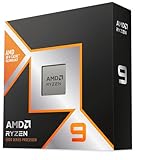
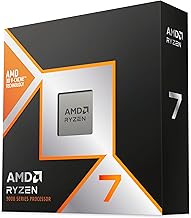
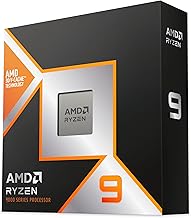
The Ryzen 7 9800X3D is the pick for new builders who want the very best. Its second-generation 3D V-Cache sits beneath the compute die rather than on top, improving thermals and enabling higher clocks, and combined with Zen 5 it pushes gaming performance to the top of the charts. It is also the first X3D chip you can overclock, so enthusiasts gain tuning headroom the previous generation never offered.
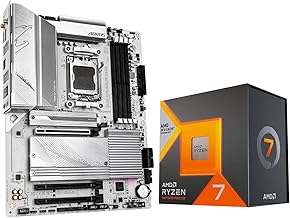
Beyond gaming, the newer architecture lifts productivity and multi-threaded performance, making the 9800X3D a stronger all-rounder for creators who also play. Bundles pairing it with X870 or B850 boards simplify a modern AM5 build, and because it represents the current peak it is the most future-proof option here. If you are assembling a high-end gaming PC from scratch and want no compromises, this is the processor to choose.
Ryzen 7 7800X3D: Still a Gaming Bargain
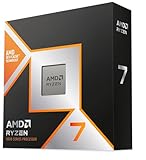
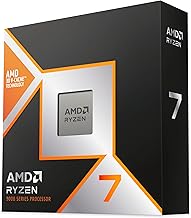
The Ryzen 7 7800X3D remains one of the best gaming CPUs you can buy, and its lower price makes it a genuine bargain in 2026. Its first-generation 3D V-Cache still delivers exceptional frame rates in the vast majority of titles, and for gamers targeting high refresh at 1440p or 4K, where the GPU often becomes the limiting factor, the difference versus the 9800X3D can shrink to almost nothing in practice.
Choosing the 7800X3D frees up budget that can go toward a stronger graphics card or faster memory, which for many gaming builds delivers a bigger real-world benefit than the CPU upgrade would. It also runs cool and efficiently on the same AM5 platform, so it slots neatly into modern systems. If you want near-flagship gaming performance without paying flagship prices, the 7800X3D is the smart, value-driven choice.
Which Should You Buy?
- For a brand-new high-end build: pick the Ryzen 7 9800X3D to get the fastest gaming performance and overclocking headroom.
- For the best gaming value: pick the Ryzen 7 7800X3D since it offers near-flagship frames at a lower price.
- For gaming plus content creation: pick the 9800X3D because Zen 5 improves multi-threaded and productivity performance.
- For 4K gaming where the GPU leads: pick the 7800X3D and put the savings toward a stronger graphics card.
- For existing 7800X3D owners: stay put, as the uplift is modest and the 9800X3D makes more sense in a fresh build than as a same-socket swap.
Frequently Asked Questions
Is the 9800X3D much faster than the 7800X3D?
It is faster, generally by around 10 to 15 percent in CPU-bound games, thanks to Zen 5 and second-generation V-Cache. However, the 7800X3D remains excellent, and at higher resolutions the gap often narrows as the GPU becomes the bottleneck.
Should I upgrade from a 7800X3D to a 9800X3D?
For most gamers the upgrade is not worth it, as the 7800X3D is still superb. The 9800X3D makes far more sense in a new build than as a same-platform swap unless you also want its overclocking and productivity gains.
Can I overclock these CPUs?
The 9800X3D is fully unlocked and supports overclocking, which is new for the X3D line. The 7800X3D is locked, so the newer chip has the advantage for enthusiasts who like to tune.
Do both fit the same motherboards?
Yes, both use AMD’s AM5 socket and work with the same 600 and 800 series boards, making either an easy fit for a modern, upgradeable platform.
Final Verdict
The Ryzen 7 9800X3D is the new king of gaming CPUs and the right pick for a fresh, no-compromise build that also benefits from overclocking and stronger productivity. But the 7800X3D remains a phenomenal value that delivers most of the experience for less, especially at higher resolutions where the GPU dominates. Build new and want the best? Choose the 9800X3D. Chasing value or already own the 7800X3D? The older chip still has you covered.