Key takeaways
- Buy the monitor resolution your GPU can actually drive at your target frame rate, not the sharpest panel you can find.
- Pair 1080p and 1440p with high refresh rates (144Hz or more) for competitive games; reserve extra detail for slower-paced titles.
- On a 27-inch screen, 1440p is the sweet spot; save 4K for 32-inch and larger displays.
- Enable upscaling (such as DLSS or FSR) to make higher resolutions playable on mid-range hardware.
What's inside
- Watch: 1080p vs 1440p vs 4K for Gaming — Video Review
- 1080p: High Frame Rates and Value
- 1440p: The Modern Sweet Spot
- 4K: Maximum Detail, Maximum Demand
- Match Resolution to Your GPU and Refresh Rate
- Screen Size and Viewing Distance Matter Too
- Tips
- Related Guides
- Frequently Asked Questions
- Conclusion
- Related Articles
- Related Guides
Resolution is one of the biggest decisions you make when setting up a gaming PC, because it shapes both how sharp your games look and how hard your graphics card has to work to keep frames smooth. The jump from 1080p to 1440p to 4K is not just about clarity; each step roughly multiplies the number of pixels your GPU renders, which changes what hardware you need and what frame rates you can realistically hit.
- Watch: 1080p vs 1440p vs 4K for Gaming — Video Review
- 1080p: High Frame Rates and Value
- 1440p: The Modern Sweet Spot
- 4K: Maximum Detail, Maximum Demand
- Match Resolution to Your GPU and Refresh Rate
- Screen Size and Viewing Distance Matter Too
- Tips
- Related Guides
- Frequently Asked Questions
- Conclusion
- Related Articles
- Related Guides
This guide compares the three resolutions honestly, so you can match your monitor to your graphics card and the kind of games you play. You will learn where each resolution shines, what refresh rate to pair with it, and how to avoid the common mistake of buying a screen your GPU cannot properly drive.
As an Amazon Associate we earn from qualifying purchases at no extra cost to you. Product prices and availability are accurate as of the date shown and are subject to change.




⚡ Save on Your Next PC — Amazon Prime
Prime members get fast free shipping on the systems above, plus early access to Prime Day & Black Friday PC deals. New members get a 30-day free trial.
Watch: 1080p vs 1440p vs 4K for Gaming — Video Review
1080p: High Frame Rates and Value
1080p (1920×1080) remains the easiest resolution to drive, making it ideal for competitive players who want the highest possible frame rates and for anyone on a tighter GPU budget. Because there are fewer pixels to render, even mid-range cards can push well past 144fps in many titles, which pairs beautifully with a fast monitor. If esports and responsiveness are your priority, a high-refresh 1080p panel is still a smart, cost-effective choice.
1440p: The Modern Sweet Spot
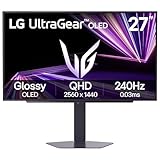
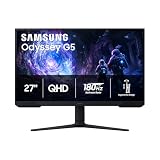
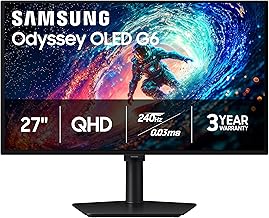
1440p (2560×1440, or QHD) has become the balance point most gamers land on, offering a clear jump in sharpness over 1080p without the punishing GPU cost of 4K. On a 27-inch screen the added detail is very noticeable, and a wide range of monitors, from the Samsung Odyssey G5 to the ASUS TUF Gaming VG27AQ3A and the LG Ultragear 27GS60QC, deliver QHD at 144Hz to 180Hz. For most modern builds, 1440p at high refresh is the resolution that feels the most rewarding per dollar.
4K: Maximum Detail, Maximum Demand
4K (3840×2160) delivers stunning, razor-sharp visuals and shines in immersive single-player games where you want every detail. The trade-off is cost: it renders four times the pixels of 1080p, so sustaining high frame rates at 4K demands a powerful, expensive graphics card. Upscaling technologies help close the gap, but 4K still makes the most sense for players with high-end hardware who prioritize image quality over raw frame rate.
Match Resolution to Your GPU and Refresh Rate
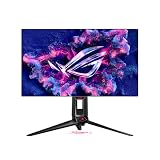
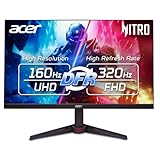
The most common mistake is buying a resolution your graphics card cannot comfortably drive, leaving you with a sharp but stuttery experience. As a rough guide, pair a mid-range GPU with 1080p or 1440p, and reserve 4K for high-end cards. Also match refresh rate to resolution: a fast 144Hz or 180Hz QHD panel like an Acer Nitro or ASUS ROG XG27ACS rewards competitive play, while a smoother, higher-detail 4K panel suits cinematic titles.
Screen Size and Viewing Distance Matter Too
Resolution does not exist in isolation; pixel density depends on screen size. A 27-inch monitor is a natural fit for 1440p, giving crisp detail without needing scaling, while 4K makes more visual sense on larger 32-inch and up panels where the extra pixels are easier to appreciate. Consider how far you sit from the screen as well, since the benefits of higher resolution shrink at a distance.
Tips
- Buy the monitor resolution your GPU can actually drive at your target frame rate, not the sharpest panel you can find.
- Pair 1080p and 1440p with high refresh rates (144Hz or more) for competitive games; reserve extra detail for slower-paced titles.
- On a 27-inch screen, 1440p is the sweet spot; save 4K for 32-inch and larger displays.
- Enable upscaling (such as DLSS or FSR) to make higher resolutions playable on mid-range hardware.
Frequently Asked Questions
Is 1440p better than 1080p for gaming?
Visually, yes; 1440p is noticeably sharper on a 27-inch screen. The trade-off is that it demands more from your GPU, so make sure your card can hit your desired frame rate before upgrading.
Do I need a high-end GPU for 4K gaming?
Generally yes. 4K renders four times the pixels of 1080p, so maintaining smooth frame rates requires a powerful graphics card, often aided by upscaling. It is best suited to high-end builds.
What resolution is best for competitive gaming?
1080p or 1440p paired with a high refresh rate (144Hz or more) is ideal for competitive play, since easier-to-drive resolutions let your GPU push the high frame rates that responsiveness depends on.
What screen size suits 1440p?
A 27-inch monitor is the classic match for 1440p, delivering crisp detail without scaling. For 4K, a 32-inch or larger panel makes the extra pixels easier to appreciate.
Conclusion
There is no single best resolution, only the one that fits your graphics card, your monitor size, and the games you love. Choose 1080p for maximum frames and value, 1440p for the modern balance of sharpness and smoothness, or 4K for pure visual splendor on capable hardware. Match resolution to GPU and refresh rate thoughtfully, and every session will look and feel exactly the way you want.